Cape Verde Polls Close Peacefully in Legislative Elections
Polling stations across Cape Verde began closing their doors at 6:00 PM local time on Sunday following a peaceful day of voting in the nation’s legislative elections. Aside from stations in the Americas, which remain open due to time zone differences, the National Elections Commission (CNE) reported that the process concluded without any major incidents.
High Stakes and Early Results
While some stations faced minor delays during the 8:00 AM opening, the day was characterized by orderly conduct and a strong push from national leaders to boost voter turnout. President José Maria Neves, who addressed the nation both on Friday and after casting his ballot on Sunday, emphasized the importance of every vote. “Abstention weakens democracy,” Neves warned, noting that turnout has been a concern in recent years.
Election officials are now shifting to the counting phase. The Directorate-General for Support to the Electoral Process (DGAPE) is expected to begin publishing provisional results online via the official portal, eleicoes.cv, starting at 7:00 PM local time.
The Battle for Parliament
More than 416,000 voters—including 72,051 living abroad—were eligible to participate in the election to decide the 72 seats of the National Assembly. The island of Santiago, home to the capital city of Praia, remains the ultimate electoral prize, accounting for 33 of the available seats.
The election is primarily a two-horse race between the country’s dominant political forces:
- The Movement for Democracy (MpD): In power since 2016, the party is seeking a third consecutive term for Prime Minister Ulisses Correia e Silva.
- The African Party for the Independence of Cape Verde (PAICV): The main opposition party aims to reclaim leadership under Francisco Carvalho, the current mayor of Praia.
Historically, these two parties have alternated power with absolute majorities since Cape Verde held its first free elections in 1991. Both the MpD and PAICV are the only parties to have fielded candidates in all 13 electoral districts.
Challenging the Status Quo
The Independent and Democratic Cape Verdean Union (UCID), the nation’s third-largest political force, is campaigning to break the long-standing duopoly and prevent another absolute majority. UCID competed in 10 districts, while smaller parties like the People’s Party (PP) and the People, Labor and Solidarity party (PTS) contested six districts each in hopes of gaining their first seats in parliament.
As the count begins, all eyes are on whether the MpD can maintain its grip on power or if the PAICV will successfully capitalize on the electorate’s desire for change.
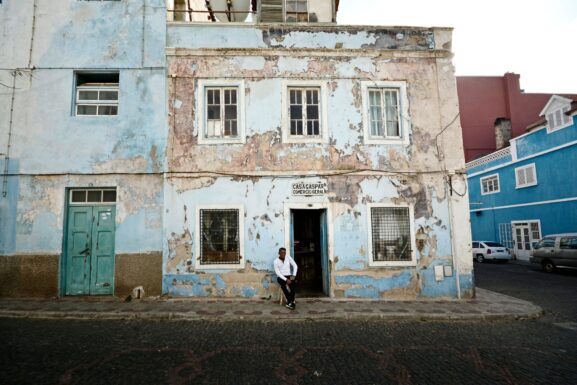
Image: Pexels – Edmond Dantès