Cape Verde in the CPLP: The Lusophone Commonwealth Role
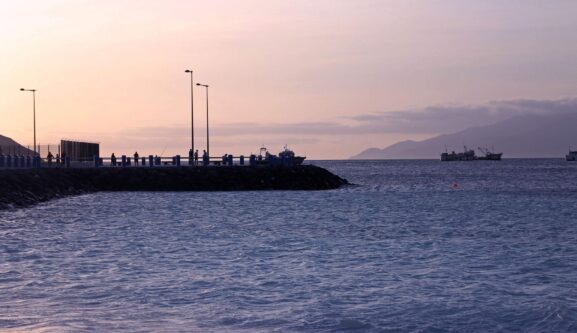
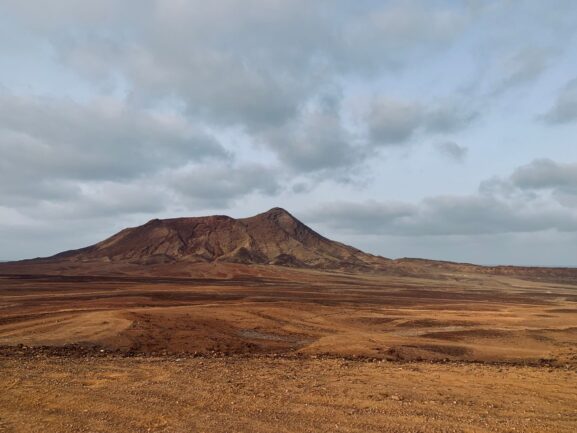
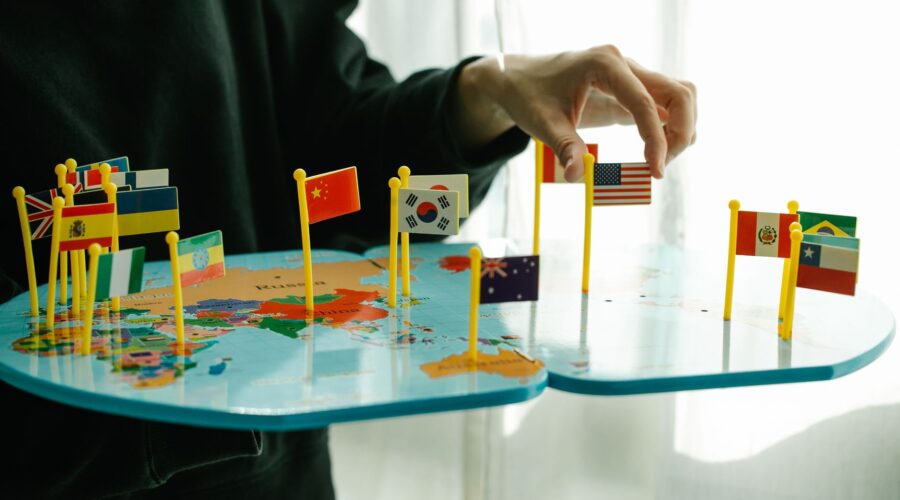
In the vast expanse of the central Atlantic Ocean, the archipelago of Cape Verde (officially Cabo Verde) stands as a bridge between Africa, Europe, and the Americas. While its ten volcanic islands are geographically isolated, they are culturally and politically anchored to a global community that transcends borders: the Community of Portuguese Language Countries (Comunidade dos Países de Língua Portuguesa, or CPLP). Often referred to as the “Lusophone Commonwealth,” this international organization represents a shared history and a common linguistic heritage for over 290 million people across four continents.
For Cape Verde, a nation that gained independence in 1975 after centuries of Portuguese rule, the CPLP is more than just a diplomatic club. It is a vital platform for economic cooperation, cultural preservation, and geopolitical influence. As one of the most stable democracies in Africa, Cape Verde plays a unique and influential role within this Portuguese-speaking brotherhood.
A Shared History: The Roots of Lusophony
The story of Cape Verde is inextricably linked to the Portuguese language. Uninhabited until the 15th century, the islands were discovered by Genoese and Portuguese navigators around 1456. In 1462, Portuguese settlers founded Ribeira Grande (now Cidade Velha) on Santiago Island—the first permanent European settlement in the tropics. For centuries, the archipelago served as a strategic hub for the transatlantic slave trade and a vital re-supply point for mid-Atlantic shipping lanes.
This long colonial period deeply ingrained Portuguese culture into the fabric of the islands. While Cape Verdean Creole (Crioulo) is the recognized national language spoken by the vast majority of the population, Portuguese remains the official language of government, education, and international relations. This linguistic duality is the cornerstone of Cape Verde’s identity within the Lusophone world, allowing it to maintain deep ties with fellow former colonies like Angola, Mozambique, and Brazil.
Cape Verde as a Founding Pillar of the CPLP
In 1996, Cape Verde became a founding member of the CPLP. The organization was established to promote “political and diplomatic coordination” and “cooperation in all areas,” including education, health, science, and technology. For a small island nation with limited natural resources, the CPLP offers a collective strength that Cape Verde could not achieve alone.
Cape Verde has frequently used its position in the CPLP to champion the interests of Small Island Developing States (SIDS). Its “vigorously active foreign policy,” as noted by international observers, often sees the nation acting as a diplomatic mediator. Because Cape Verde maintains excellent relations with the European Union (holding a special partnership status since 2007) and the United States, it often serves as a “Lusophone gateway” for Western investment into Africa.
The Mobility Agreement: Breaking Down Borders
One of the most significant recent milestones for the CPLP was the approval of the Mobility Agreement, a project in which Cape Verde was a primary advocate. This agreement aims to facilitate the movement of citizens—including students, researchers, and businesspeople—between member states. For the Cape Verdean diaspora, which significantly outnumbers the population residing on the islands (roughly 530,000), this mobility is crucial. It strengthens the bonds between the archipelago and its sizeable communities in Portugal and other Lusophone hubs.
Economic Synergy and “Blue” Cooperation
Economically, Cape Verde’s role in the CPLP is increasingly focused on the “Blue Economy.” With a combined maritime territory that spans the Atlantic, Indian, and Pacific Oceans, the CPLP nations control a massive portion of the world’s oceanic resources. Cape Verde, as a Macaronesian archipelago, is at the forefront of this movement.
Through the CPLP, Cape Verde collaborates on:
- Maritime Security: Combatting international drug trafficking, a task the Cape Verdean National and Coast Guards have prioritized through operations like Operation Flying Launch.
- Sustainable Fisheries: Protecting the biodiversity of the Atlantic from overfishing.
- Climate Action: Addressing the existential threat of rising sea levels. As the eighth most endangered nation due to flooding from climate change, Cape Verde leverages the CPLP to lobby for global environmental justice.
The Cultural Bridge: Beyond Language
While the Portuguese language is the formal link, the cultural exchange within the Lusophone Commonwealth is vibrant and multifaceted. Cape Verdean music, such as Morna (recognized by UNESCO as Intangible Cultural Heritage), resonates deeply in Lisbon, Luanda, and Rio de Janeiro. This “Luso-tropical” cultural synthesis creates a sense of belonging that goes beyond mere politics.
The CPLP also supports the promotion of the Portuguese language globally. For Cape Verde, this is a strategic asset. As Portuguese is one of the most spoken languages in the Southern Hemisphere, it provides Cape Verdean professionals and youth with a competitive edge in emerging markets like Brazil and Angola.
Leading by Example: Democracy and Governance
Within the CPLP, Cape Verde stands out as a model of governance. Ranking as the joint second most democratic nation in Africa as of 2026, the country brings a high level of institutional credibility to the organization. Its stable semi-presidential representative democracy provides a blueprint for other member states navigating post-colonial transitions.
The nation’s success—from being declared malaria-free in 2024 to its leadership in renewable energy (aiming for 50% by 2030)—serves as an inspiration within the Lusophone community. When Cape Verde speaks within the CPLP councils, it does so with the authority of a nation that has transformed geographic vulnerability into a “real success story,” as described by world leaders.
Conclusion: An Archipelagic Powerhouse
The Community of Portuguese Language Countries is not just a relic of the past; it is a dynamic engine for the future. For Cape Verde, the CPLP represents a strategic alliance that amplifies its voice on the global stage. By bridging the gap between Africa and the rest of the Lusophone world, the “Green Cape” continues to prove that its influence is far greater than its 4,033 square kilometers of land might suggest.
As the world becomes increasingly interconnected, Cape Verde’s role in the Lusophone Commonwealth remains a testament to the power of shared language, democratic values, and the enduring spirit of the Atlantic.
Image: Pexels – Lara Jameson