
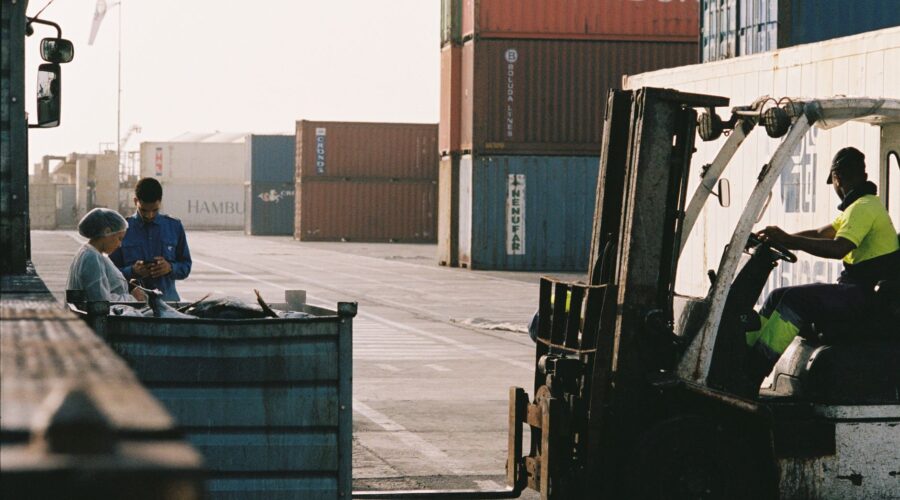
Cape Verde Imports Rise 8% as Trade Deficit Widens
Cape Verde’s reliance on foreign goods intensified during the first three quarters of the year, with total imports rising 8% compared to the same period in 2023. According to the latest data from the central bank, the archipelago’s total import bill reached 88.3 billion escudos (€802 million) between January and September.
Portugal Remains Top Supplier
Portugal continues to be Cape Verde’s dominant trade partner, accounting for 47% of all imported goods. Purchases from Portugal grew at the same 8% rate as the national average, underscoring the deep economic ties between the two nations. European markets overall remain the lifeline for the archipelago, with approximately two-thirds of all imports originating from the eurozone. Other key European suppliers include Spain at 9% and the Netherlands at 4.6%.
Regional Shifts and Diversification
While Europe maintains its lead, there are signs of growth from regional and transatlantic partners. Imports from the Economic Community of West African States (ECOWAS) now represent 6% of the total, while Brazil has carved out a 5% market share, reflecting a slight expansion in Cape Verde’s sourcing strategy.
Trade Deficit Widens as Exports Slump
The rise in imports comes at a challenging time for Cape Verde’s export sector. Total outbound sales dropped by 11% year-on-year, falling to approximately six billion escudos (€56 million). This decline highlights the fragility of the nation’s export base, which remains heavily concentrated on a single industry: the sale of canned fish to Spain.
As the trade gap widens, the figures reinforce Cape Verde’s position as a net importer, highly dependent on European supply chains and the stability of the eurozone to meet its domestic needs.
Image: Pexels – Carlo Jünemann