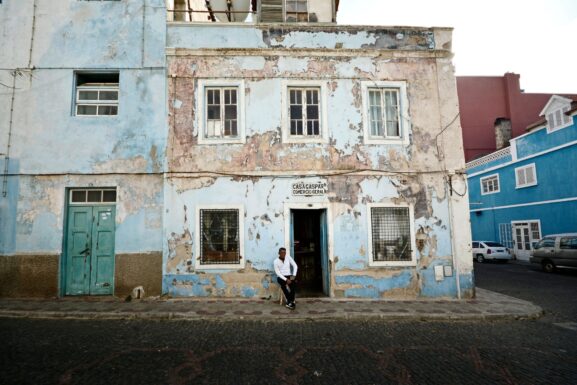
Cape Verde Elections: Poverty & Jobs Dominate Race
As Cape Verde prepares to head to the polls on November 15, the streets of the capital, Praia, are alive with the sounds of campaign trucks and the vibrant colors of political posters. Yet, beneath the festive atmosphere lies a deep-seated demand for change. While the presidency in this island nation holds significant moral weight but limited executive power, voters are looking to the next head of state to solve the country’s most pressing crises: unemployment, poverty, and a staggering cost of living.
A Plea for Opportunity
For many, the election is a desperate call for economic relief. Miriam Helena, a 30-year-old vendor in the historic Plateau district, believes the President carries enough influence to move the needle on wages. “First of all, improve salaries,” she told Lusa. “I think the President has more weight.”
Helena’s frustrations are shared by a younger generation that feels trapped. She advocates for more labor agreements that allow young people to work abroad, citing a lack of domestic opportunity. Her list of demands for the next leader is long: better access to water and electricity, and a decisive crackdown on crime.
The Struggle of the Poor
A few meters away in the Plateau market, Maria Conceição, 62, has spent three decades selling goods and watching politicians come and go. Her assessment is blunt. “Whoever sits in power never sees the poor,” she said. “When the President wins, he must work for those who have nothing.”
For Conceição, the daily struggle involves skyrocketing food and fuel prices and a healthcare system that she says fails the most vulnerable. “They say consultations are free, but the medicine is expensive and we can’t find the drugs. We suffer regardless,” she lamented.
A Crisis of Trust
Despite the high stakes, a sense of cynicism pervades parts of the electorate. Etson Sanches, a 33-year-old fishmonger, says he has never cast a ballot and doesn’t plan to start now. “They say they will help the poor, but they don’t. They help those who have means,” Sanches said, arguing that candidates only pretend to understand the reality of the working class.
This disillusionment was reflected in the 2021 elections, where voter abstention hit 52%. Reversing this trend is a major challenge for the six candidates vying for the five-year term.
The Race for the Presidency
The incumbent, José Maria Neves, is seeking re-election with the backing of the African Party for the Independence of Cape Verde (PAICV). He faces a competitive field, most notably Joana Rosa, supported by the Movement for Democracy (MpD). Other candidates include Gilson Alves, Casimiro de Pina, Antero Tavares, and Loisito Sousa.
Historical trends favor the incumbent; every president in Cape Verde’s history who has sought a second term has been successful. However, with 426,531 registered voters—including a significant diaspora making up 18% of the electorate—the candidates must convince a weary public that the presidency can indeed be a catalyst for social reform.
“A good President has to be a leader, a person of his word, and see what the people need,” said 20-year-old journalism student Leidilene Ferreira. As election day approaches, the people of Cape Verde are waiting to see if their next leader will finally bridge the gap between campaign promises and the harsh realities of the street.
Image: Pexels – Guido Bianchi