Cape Verde Elections: PM Calls for High Voter Turnout
The leader of the Movement for Democracy (MpD) and Prime Minister of Cape Verde, Ulisses Correia e Silva, has issued a final call for citizens to head to the polls as the nation votes in high-stakes legislative elections on Sunday.
Casting his ballot shortly after 11:00 at Abílio Duarte Secondary School in the capital city of Praia, Correia e Silva emphasized that the health of the nation’s political system depends on the engagement of its people. “Democracy is strong when there is free citizen participation to choose who will govern Cape Verde for the next five years,” he told reporters.
Reflecting on a “very participatory” campaign season, the Prime Minister insisted that the decision now rests solely with the voters, adding, “There is no reason for people to stay at home.”
Assessing the Voter Landscape
The call for turnout comes as Cape Verde seeks to reverse a trend of rising voter apathy. In the 2016 legislative elections, abstention stood at 34%, a figure that climbed to 42% in 2021 during the peak of the COVID-19 pandemic. President José Maria Neves echoed the Prime Minister’s concerns on Friday, warning that “abstention weakens democracy.”
For this election cycle, a total of 344,284 voters are registered across the archipelago, with an additional 72,051 Cape Verdeans abroad eligible to vote. Polling stations across the islands remain open until 18:00 local time, while more than 200 stations serve the diaspora, including 84 in Portugal alone.
The Race for the National Assembly
At stake are 72 seats in the National Assembly. Cape Verde’s political history has been defined by a two-party system that has alternated power since the country’s first free elections in 1991. Both the ruling MpD, in power since 2016, and the African Party for the Independence of Cape Verde (PAICV) have fielded candidates in all 13 electoral districts, hoping to secure an absolute majority.
The electoral landscape also includes:
- UCID (Independent and Democratic Cape Verdean Union): The third-largest parliamentary force, competing in 10 districts.
- Minor Parties: The People’s Party (PP) and the People, Labor and Solidarity party (PTS) are each contesting six districts in a bid to gain their first parliamentary representation.
The island of Santiago, home to the capital, remains the most influential battleground, electing 33 of the 72 deputies. The remaining eight islands account for 33 seats, while those living abroad will determine the final six representatives.
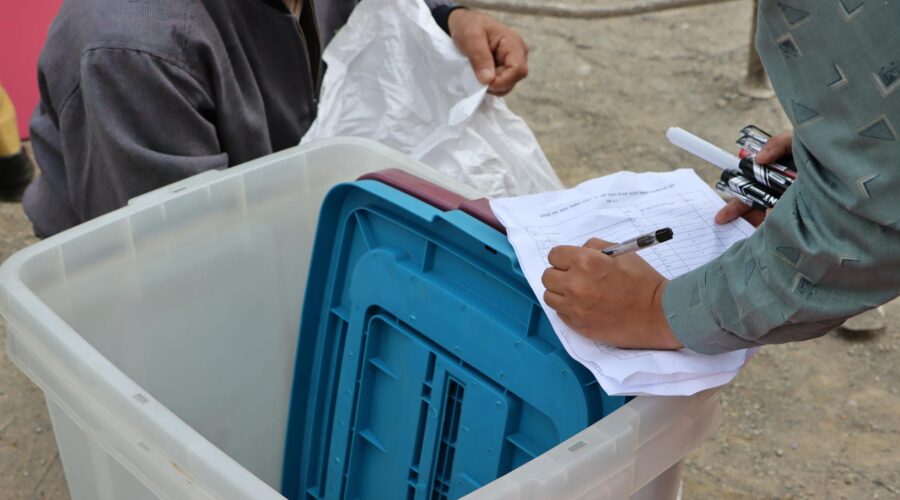
Image: Pexels – CP Khanal