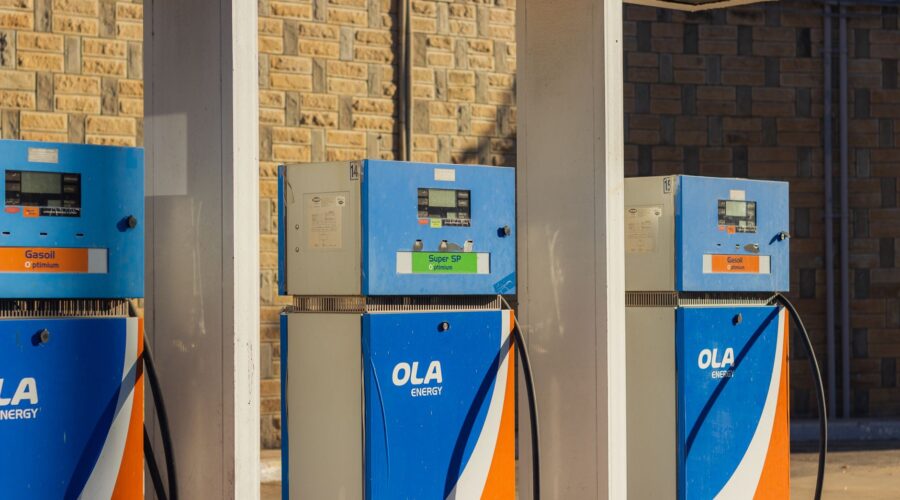
Cape Verde Diesel Prices Reach 30-Month High in July 2024
Fuel prices in Cape Verde are showing a mixed performance this month as the government rolls back emergency intervention measures. While commuters will see slight relief at the gasoline pump, diesel prices have surged to their highest level in 30 months, according to the latest figures from the Multisectoral Economic Regulatory Authority (ARME).
A Two-and-a-Half-Year Peak for Diesel
Starting this July, diesel has risen to 139.9 escudos per liter (approximately €1.27). This mark represents a new high for the last two and a half years, adding pressure to the transport and industrial sectors. The increase comes as the regulatory body transitions back to standard pricing mechanisms.
Conversely, gasoline and cooking gas saw marginal decreases. Gasoline dropped by 0.7%, bringing the price to 162 escudos per liter (€1.47), while a standard 12.5-kilogram gas cylinder decreased by 0.8% to 1,790 escudos (€16.23).
Rising Annual Trends
Despite the slight dip in gasoline costs, the overall trend for energy in the archipelago remains on a steep upward trajectory. “Compared to the same period last year (July 2025), the average variation in fuel prices corresponds to an increase of 25.37%,” ARME stated. Looking at the current calendar year alone, fuel costs have climbed by an average of 18.78%.
Ending Exceptional Measures
The July update marks a significant shift in Cape Verde’s energy policy. The new rates reflect the “restoration of the normal application of the price-fixing mechanism,” following the expiration of exceptional measures approved in March. These temporary subsidies were designed to shield the national economy and consumers from the extreme volatility caused by geopolitical tensions and conflict in the Middle East.
With those measures ending on Tuesday, the domestic market is now fully exposed to international market fluctuations, highlighting the ongoing vulnerability of the archipelago’s energy system to global instability.
Image: Pexels – Hassan Bouamoud