Cape Verde Boosts Brava-Fogo Link with New Dedicated Vessel
Cape Verde is set to bolster its maritime infrastructure with the introduction of the Djabraba, a new vessel dedicated to the vital link between the southern islands of Brava and Fogo. The announcement, made Monday by Minister of the Sea João Do Carmo, promises to end the isolation that has long frustrated residents and hindered regional development.
A Lifeline for Emergencies and Tourism
The Djabraba, a 26-meter ship with a capacity for 85 passengers and cargo, arrived in the country on Tuesday. Currently undergoing certification by the Maritime Port Institute (IMP) in São Vicente, the vessel will be permanently stationed at Brava. This strategic positioning ensures it is available 24/7 for medical evacuations and other urgent responses.
“It is a specific ship for the Brava-Fogo line and must remain on Brava island every night,” Minister Do Carmo stated during an inspection of the vessel. “No island in Cape Verde should be left isolated. It is a principle and a public service that the State will guarantee.”
The government plans to operate the line via a contract with a private shipowner to ensure five weekly trips. While the primary focus is serving local residents, the minister emphasized that the improved connectivity would also provide a significant boost to national tourism.
Ending a Cycle of Isolation
The move comes after months of growing dissatisfaction from residents of both islands. Connectivity reached a breaking point in July when a mechanical failure on the ship Liberdadi paralyzed the Sotavento route. The resulting suspension led to shortages of fresh food and essential supplies, while leaving passengers—including those with international flight connections from Praia—completely stranded.
Expanding the National Fleet
The Djabraba is only the first step in a broader government initiative to stabilize maritime transport across the archipelago. Minister Do Carmo announced that a second, larger vessel, the Eugénio Tavares, is expected to arrive from China later this year.
The Eugénio Tavares is currently undergoing technical adaptations to handle Cape Verde’s specific maritime conditions and will have the capacity to carry 250 passengers. “It can dock at any port in Cape Verde and will represent a significant leap in the connection between the islands,” the minister said.
Looking further ahead, the government plans to acquire a third vessel in 2027. According to Do Carmo, this three-ship expansion will represent a definitive improvement in the country’s maritime mobility, ensuring that the movement of people and goods is no longer subject to the frequent disruptions of the past.
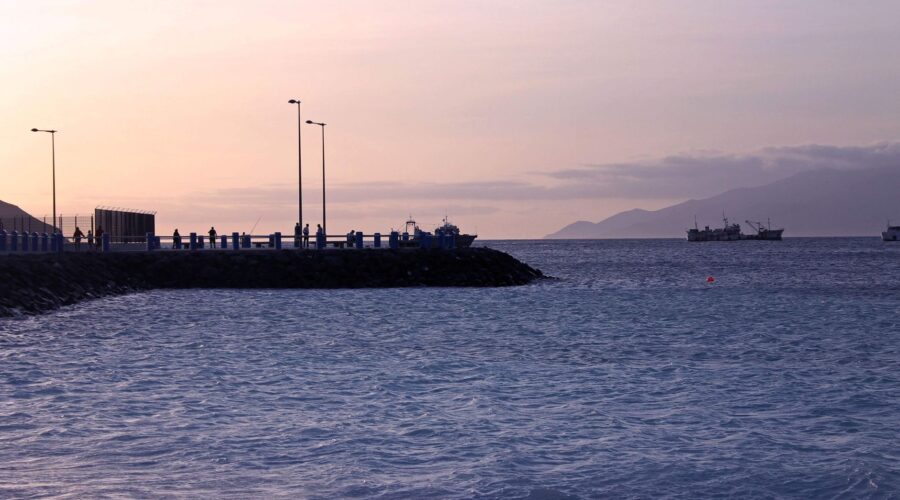
Image: Pexels – Ana Marta Jorge