
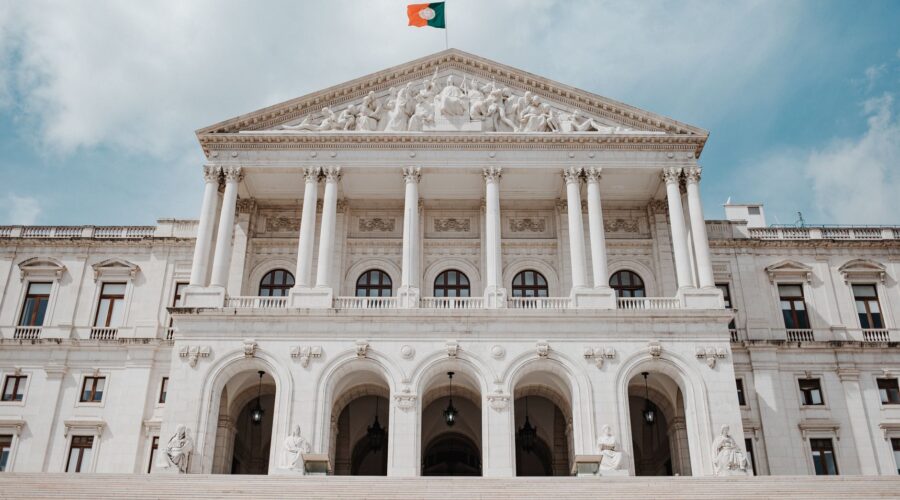
Cape Verde Approves €923M Budget for 2027 Inclusion
The Cape Verdean parliament approved the 2027 State Budget in a general vote on Wednesday, greenlighting a 101.7 billion escudo (923.4 million euro) fiscal plan centered on social inclusion and sustainable development. The vote marks the first budget proposed by the African Party for the Independence of Cape Verde (PAICV) since returning to power in May.
A Divided House
The budget passed with 37 votes from the ruling PAICV bench, which holds an absolute majority in the 72-seat National Assembly. However, the proposal faced stiff resistance from the Movement for Democracy (MpD), the primary opposition party, which cast 23 votes against it. Two deputies from the Independent and Democratic Cape Verdean Union (UCID) abstained.
Prime Minister Francisco Carvalho presented the document as “a project for the country” rather than a mere financial ledger. He outlined four strategic pillars for 2027: access, inclusion, opportunity, and sustainable development.
Key Priorities: Free Education and Cheaper Travel
A cornerstone of the 2027 plan is the expansion of social services. The Prime Minister pledged free access to public higher education and healthcare, alongside a major push to eliminate substandard housing across the archipelago.
To bridge the gap between islands, the government introduced “cohesion fares” aimed at slashing transport costs. Under the plan, maritime connections will be capped at 500 escudos (approx. €4.50), while inter-island flights will cost 5,000 escudos (approx. €45). “These measures will facilitate the movement of people and reduce territorial asymmetries,” Carvalho stated.
Opposition Voices Concerns
The opposition was quick to criticize the government’s math. MpD deputy Abraão Vicente argued that the budget “mortgages the future” of Cape Verde, accusing the administration of abandoning fiscal discipline. He criticized several ministers for failing to provide concrete details on how campaign promises would be funded during the parliamentary debate.
UCID leader João Santos Luís justified his party\’s abstention by labeling the budget insufficient for job creation or private sector competitiveness. “It is not enough to list priorities; they must be accompanied by quantifiable targets and accountability,” Luís said, adding that his party would propose amendments to better protect family incomes and support the agriculture sector.
Economic Outlook and Risks
The government is optimistic, forecasting a 5.6% growth in Real GDP for 2027 with inflation holding steady at 2%. However, the Public Finance Council has urged caution. The oversight body warned that a potential slowdown in the Eurozone, volatile global energy prices, and a projected 10.5% spike in government personnel expenses could pose significant risks to the nation’s financial stability.
The budget now moves to the committee stage for detailed discussion and potential amendments before a final vote.
Image: Pexels – Max Avans