Cape Verde Accelerates Green Energy for Sovereignty
Cape Verde has no choice but to fast-track its shift to renewable energy as volatility in the Middle East threatens the country’s economic stability, Deputy Prime Minister Olavo Correia said Tuesday.
Speaking on the sidelines of the International Monetary Fund (IMF) and World Bank Spring Meetings in Washington, Correia emphasized that the archipelago’s survival depends on ending its reliance on imported fossil fuels. “The lesson is simple: accelerate,” Correia told Lusa. “Cape Verde’s Plan A, B, and C is to accelerate the energy transition agenda. We have no alternatives.”
Ambitious Targets Amid Regional Turmoil
The government has set aggressive milestones for its green energy transition: reaching 30% renewable penetration this year, 50% by 2030, and at least 80% by 2040. Correia, who also serves as Finance Minister, noted that energy independence is inextricably linked to water security in the arid nation.
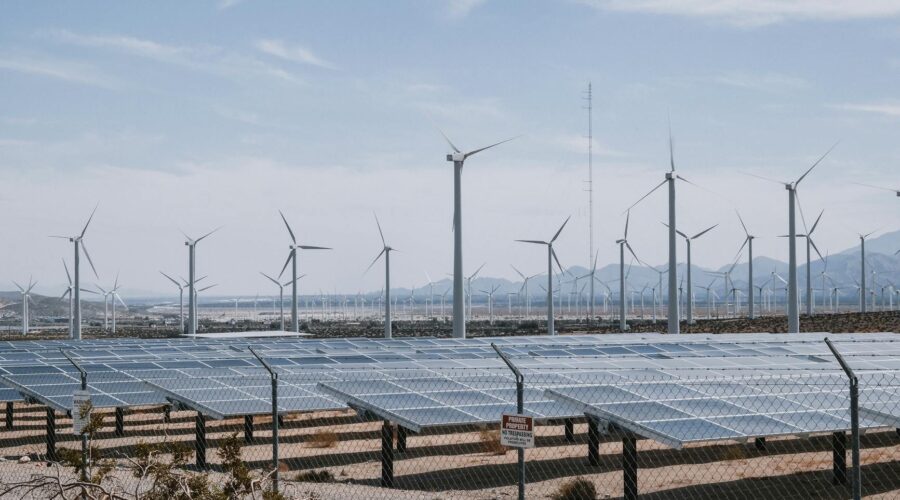
“If we want cheaper, cleaner energy that is less dependent on external sources, we must embrace wind, solar, and eventually green hydrogen,” he stressed. “By ensuring energy sovereignty, we also ensure water sovereignty.”
Shielding the Economy from Price Shocks
The urgency stems from a sharp rise in global energy costs fueled by conflict in the Middle East. With oil prices jumping 27% and gas prices soaring by 50%, the IMF warns that global energy costs could rise by 19% throughout 2026. For an economy like Cape Verde’s—which relies heavily on tourism and imported fuel—these fluctuations are a direct threat to the national budget.
Correia admitted that the state has already begun intervening to protect citizens and businesses. In March, the government worked with oil companies to cap price variations at 8%. While further measures may be necessary, Correia urged caution: “No one knows how long this crisis might last. We must be prudent and avoid structural measures that could compromise our budgetary framework.”
New Funding for a Greener Future
To turn these goals into reality, Cape Verde secured a significant financial boost during the Washington meetings. The government signed a memorandum of understanding with the Africa Finance Corporation (AFC) and the Intercontinental Investment Bank (IIB West Africa) for a credit line of up to 50 million euros.
The funding will back a sovereign-guaranteed “Green Bond” issued by the Electricity Distribution Company of Cape Verde (EDEC). This capital is earmarked for modernizing the national grid, reducing distribution losses, and expanding electricity access across the archipelago. The agreement marks a major milestone in sustainable infrastructure financing for the African continent, signaling Cape Verde’s commitment to a self-sufficient, green economy.
Image: Pexels – Kindel Media