Brava Guide: Cape Verde’s Enchanting Island of Flowers
Tucked away in the southwestern corner of the Cape Verdean archipelago, Brava stands as a verdant, mist-shrouded defiance of the Atlantic Ocean’s desert-like reputation. Known affectionately as the “Island of Flowers” (Ilha das Flores) and the “Cradle of Poets,” Brava is the smallest inhabited island in the country, but arguably the one with the deepest soul. Its dramatic landscapes, colonial charm, and hauntingly beautiful music offer a retreat into a way of life that feels largely untouched by the frantic pace of the 21st century.
The Enchanted Geography: A Garden in the Atlantic
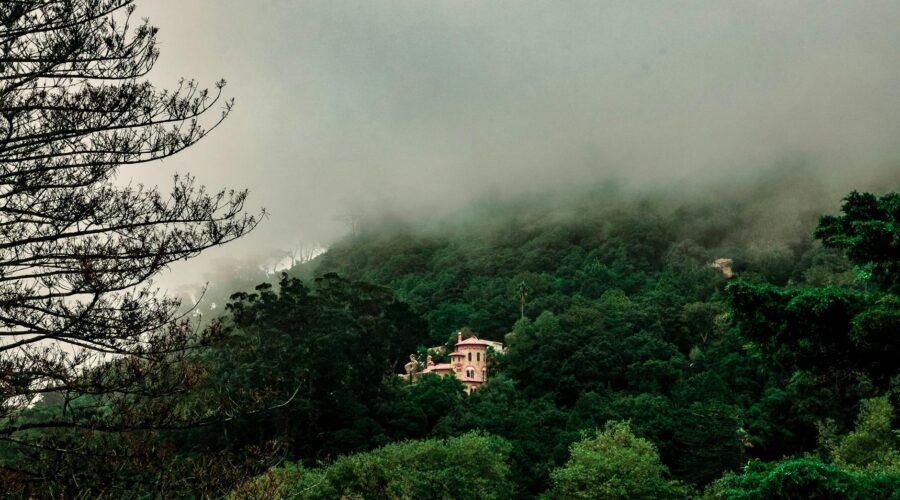
Unlike the flat, sandy expanses of Sal or Boa Vista, Brava is characterized by its high altitude and rugged terrain. It is the most mountainous island in the Sotavento (Leeward) group. Because of its height, Brava acts as a “cloud catcher.” The moisture-laden trade winds are forced upward by the island’s steep slopes, creating a unique microclimate that is significantly cooler and wetter than its neighbors.
This humidity transforms the island into a botanical sanctuary. Hibiscus, bougainvillea, oleander, and jasmine spill over white-washed stone walls, scenting the air with a perpetual fragrance. In the higher elevations, such as the town of Nova Sintra, the “fogaça” (a thick Atlantic mist) frequently rolls in, wrapping the dragon trees and eucalyptus forests in a ghostly, silver blanket. This fertility allowed the island to historically sustain agriculture when other islands suffered from drought, cementing its reputation as a lush oasis.
Nova Sintra: The Jewel of Cape Verde
The island’s main town, Nova Sintra, is widely considered the most beautiful village in Cape Verde. Named after the historic Portuguese town of Sintra—which was likewise a favorite of poets and kings—Nova Sintra sits on a high plateau, protected by the surrounding mountains. The town is a masterclass in colonial aesthetics: neat, tree-lined streets, meticulously kept gardens, and “sobrados” (colonial-style mansions) painted in pastel hues.
The central square, Praça Eugénio Tavares, serves as the beating heart of the community. Here, locals gather under the shade of massive trees to talk, while the fragrance of blooming flowers remains constant. It is a place where time slows down, and the hospitality of the “Bravenses” is on full display.
The Land of Poets and Mornas
Brava’s cultural legacy is perhaps even more significant than its natural beauty. It is the birthplace of Eugénio Tavares, the most celebrated figure in Cape Verdean literature and music. Tavares was a master of the *morna*—the soulful, melancholic musical genre that later became globally famous through Cesária Évora.
Writing in Cape Verdean Creole at a time when Portuguese was the mandatory language of the elite, Tavares gave a voice to the longing (sodade) of his people. His lyrics often focused on forbidden love and the heartbreak of emigration, a theme deeply woven into the island’s history. Today, a statue of Tavares stands in Nova Sintra, and his residence has been converted into a museum, serving as a pilgrimage site for those who wish to understand the “Cape Verdean soul.”
The American Connection and the Legacy of Emigration
The history of Brava is inextricably linked to the United States. In the 18th and 19th centuries, American whaling ships from New Bedford and Nantucket frequently stopped at Brava to replenish supplies and recruit skilled sailors. Many young men from Brava joined these crews, eventually settling in New England.
This early “bridge” to America created a unique dynamic. Brava was one of the first islands to have a significant diaspora, and the influence is still visible today. It is common to hear English spoken with an American accent by retirees who have returned to the island. Many of the beautiful homes in Nova Sintra were built with remittances from the United States, and the “American Dream” has been a part of Brava’s cultural fabric for over 150 years.
Practical Information: How to Get There and What to See
Reaching Brava is part of the adventure. Because the island’s mountainous terrain makes an airport impossible, the only way to reach Brava is by sea. Fast ferries run regularly from the neighboring island of Fogo. The journey takes about 45 to 60 minutes, crossing the “Canal de Brava,” which can be notoriously choppy. The arrival at the port of Furna is spectacular, as the boat approaches the sheer cliffs that seem to rise straight out of the dark blue water.
Hiking and Nature
For outdoor enthusiasts, Brava is a paradise for “slow trekking.” Popular routes include:
- Furna to Nova Sintra: A steep climb from the port to the capital, offering sweeping views of the ocean.
- Fajã d’Água: A walk down to one of the few places on the island where you can access the sea. Fajã d’Água is a picturesque bay with natural pools formed by volcanic rock, surrounded by coconut palms and fruit trees.
- Fontainhas: Not to be confused with the village on Santo Antão, Brava’s Fontainhas offer incredible vistas of the rugged coastline.
Gastronomy
The cuisine on Brava is hearty and traditional. Due to its fertility, the island produces excellent vegetables and fruits. Visitors should try the local goat cheese (Queijo de Brava), which is often served with papaya jam. Fresh fish, particularly tuna and wahoo, is a staple, typically served as a “caldo” (stew) or grilled with local herbs.
The Future of Brava
While Sal and Boa Vista focus on large-scale resort tourism, Brava is positioning itself as a destination for eco-tourism and cultural immersion. The lack of an airport has preserved the island’s tranquility, making it the perfect destination for travelers seeking authenticity over luxury. It is a place for writers, hikers, and those looking to disconnect from the digital world and reconnect with nature and poetry.
Conclusion
Brava is more than just an island; it is a mood. It is the scent of jasmine in the mist, the sound of a guitar playing a morna in a quiet square, and the sight of steep green cliffs meeting the Atlantic. For those willing to make the journey across the waves, the “Island of Flowers” offers a glimpse into the heart of Cape Verde—a place where the beauty of the landscape is matched only by the depth of its poetic spirit.
Image: Pexels – Lexi Lauwers