Angola Nears $1B Tourism Goal: A New Nature Travel Hub
Angola is on the verge of a historic milestone in its tourism sector, with government officials expecting infrastructure investment to hit $1 billion by the end of 2024. The push is part of a broader strategy to transform the Southern African nation into a premier destination for nature and adventure seekers.
Boosting Infrastructure for a New Era
Speaking at the World Travel Market (WTM) in London, Josemar Afonso, Angola’s Secretary of State for Asset Management and Tourism Concessions, revealed that confirmed investments for the year have already reached $850 million. With several major projects awaiting final presidential approval, the government expects to surpass the billion-dollar mark before January.
These funds are being funneled into critical “support infrastructure,” including roads, sanitation, electricity, and telecommunications. The goal is to open up high-potential regions like Cabo Ledo, the Okavango basin, and the dramatic Serra da Leba mountain pass, ensuring these areas are accessible and hospitable for international travelers.
Shifting the Focus to Leisure
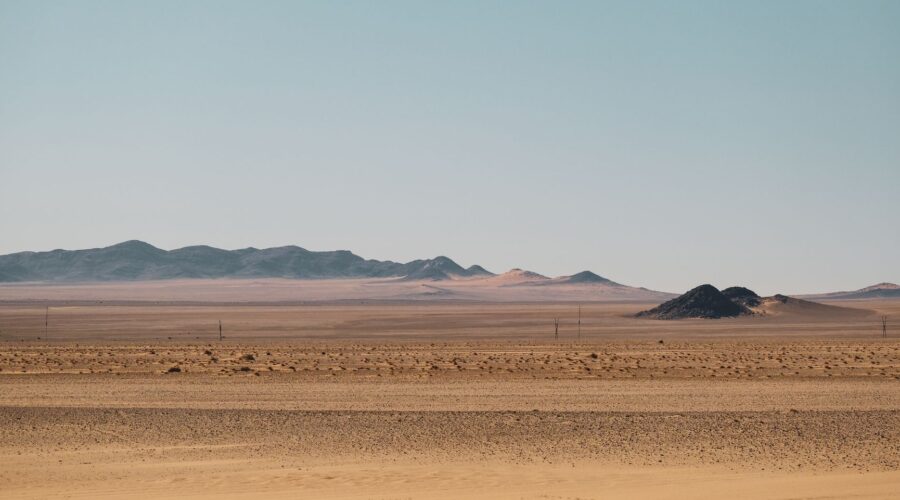
Currently, Angola’s tourism sector is dominated by business travel, which accounts for 70% of all arrivals. Only 23% of visitors travel to the country for leisure. However, Afonso believes the country’s unique geography—ranging from the Namib Desert to pristine beaches and safari landscapes—is its greatest untapped asset.
“Camping in the Namibe desert is a unique experience,” Afonso said, noting that the government is aggressively targeting the British and European markets to position Angola as a “discovery” destination. This follows a successful showing at the Madrid International Tourism Fair earlier this year.
Ambitious Growth Targets
The numbers suggest a steady upward trajectory. In 2023, Angola welcomed 223,000 international tourists, representing a 28% increase over the previous year. The government has set its sights on a “psychological barrier” of one million annual visitors.
“The faster we get to this, the better,” Afonso admitted, while acknowledging that such a transformation “will not happen overnight.”
Economic Impact and Reforms
Tourism has become a central pillar of President João Lourenço’s economic diversification strategy. The sector currently boasts over 1,500 hotel establishments with 31,000 rooms. In 2023, the industry generated $667 million in revenue and created more than 9,000 jobs, maintaining a healthy average occupancy rate of 72% to 75%.
To accelerate this growth, the government has introduced significant policy reforms, most notably a visa exemption policy for citizens of 99 countries, allowing for stays of up to 30 days. While direct flights already connect Luanda to hubs like Lisbon, Paris, Johannesburg, and Qatar, the government is looking to expand air links to Germany, Switzerland, and Spain.
Overcoming Challenges
Despite the optimism, hurdles remain. Afonso acknowledged that international perceptions regarding safety continue to deter some travelers. “We still have to overcome questioning regarding safety in Angola,” he said. “This clearly shows there is educational work we still need to do.”
By investing heavily in both physical infrastructure and international marketing, Angola hopes to prove that it is not just a hub for oil and business, but a safe and spectacular frontier for global tourism.
Image: Pexels – Francesco Ungaro