Guinea-Bissau Child Well-Being Plummets Amid Political Unrest
Guinea-Bissau has plummeted to the bottom of the African Child Well-Being Index, ranking as the least child-friendly Portuguese-speaking nation on the continent. Advocates say the crisis is the direct result of a crippling military coup and a chronic failure to fund essential social services.
A Nation in Deadlock
The 2026 African Report on Child Well-Being, released by the African Child Policy Forum (ACPF), ranks Guinea-Bissau 44th out of 52 African nations. Reacting to the data, Laudolino Carlos de Medina, Executive Secretary of the Association of Friends of Children (AMIC), told Lusa that the decline reflects a country paralyzed by institutional deadlock.
“In 2025 and 2026, Guinea-Bissau experienced politico-military turbulence that devastated efforts to improve conditions for our youth,” Medina said. He noted that the country’s current governance crisis—sparked by the November 2025 military coup—has halted all legislative progress.
Meager Budgets and Deadly Consequences
The ACPF assessment evaluates countries based on legislation, international convention ratifications, and, critically, the share of the national budget allocated to social sectors. In Guinea-Bissau, the numbers are grim.
The country is currently operating on provisional monthly budget allocations, leaving social ministries with crumbs. “The Ministry of Woman, Family, and Social Solidarity receives less than five percent of the state budget,” Medina warned.
This lack of investment translates into a survival crisis for the nation’s youngest citizens:
- Infant Mortality: 35 deaths per 1,000 live births.
- Under-Five Mortality: 51 deaths per 1,000 children, a rate significantly higher than the West African average.
- Legal Identity: Only 46% of children possess a birth certificate, leaving the majority invisible to the state and vulnerable to exploitation.
“Absolute Poverty” Fuels Abuse
Without legal documentation or state protection, children are increasingly falling victim to forced marriage, female genital mutilation (FGM), and human trafficking. Medina lamented that while AMIC receives victims of these crimes every month, “the perpetrators are never brought to justice.”
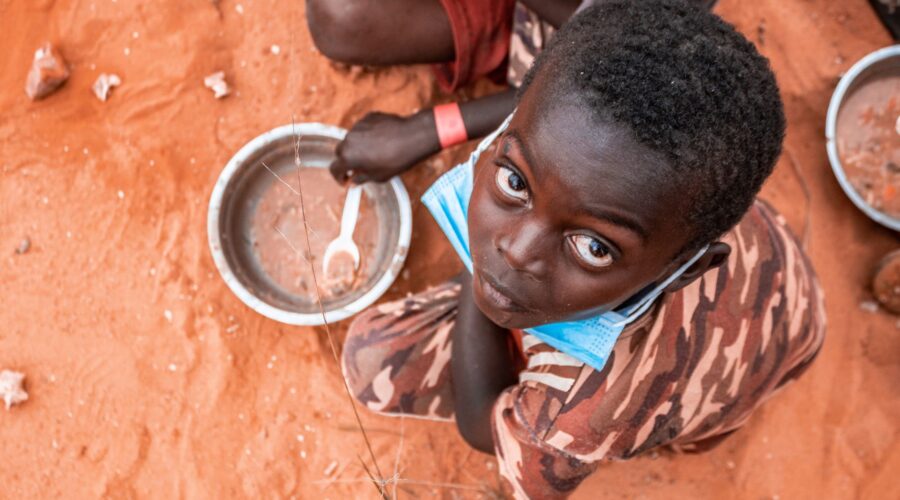
He described a “situation of absolute poverty” that is forcing children out of schools and into begging or hazardous child labor, including scavenging in landfills.
Stalled Legislation
Even where political will exists, the machinery of government has failed. A Comprehensive Child Protection Policy and action plan sit on the desk of the transitional President, awaiting a signature. Meanwhile, a draft for a new Child Protection Code has twice failed to pass after the legislative body was dissolved during periods of unrest.
Despite the dire rankings, Medina expressed hope that the international spotlight would force the government’s hand. “This report must lead the Government and all protection actors to improve their services and legislation for the children of Guinea-Bissau,” he said.
Regional Comparisons
Guinea-Bissau’s score of 0.3998 (on a scale of 0 to 1) places it in sharp contrast to its neighbors. Cape Verde leads the Lusophone world and ranks second in all of Africa with a score of 0.8051. Other Portuguese-speaking nations also outperformed Guinea-Bissau, including São Tomé and Príncipe (16th), Angola (26th), and Mozambique (29th).
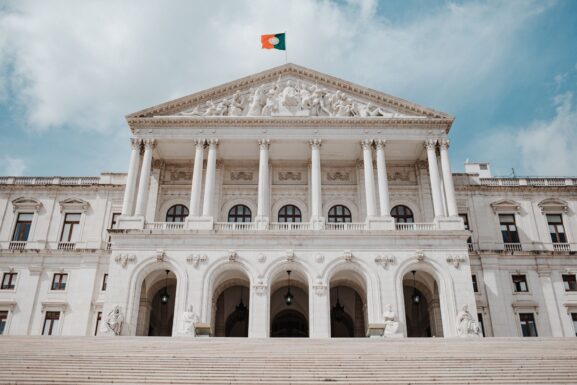
The current instability follows the November 26, 2025, coup that ousted President Umaro Sissoco Embaló. Since then, the country has been governed by a National Transition Council, a move the opposition labels a “staged” maneuver to consolidate power.
Image: Pexels – Prod Shutter