Africa’s Future at Risk: 80% Lack Social Safety Nets
More than 80% of Africa’s population lacks any form of social protection, leaving hundreds of millions of families vulnerable to poverty, inflation, and conflict, according to a sobering new report released today.
The African Report on Child Well-being 2026, published by the African Child Policy Forum (ACPF), reveals that only 19.1% of the continent’s population receives at least one social protection benefit. This massive gap in coverage means the vast majority of families are forced to navigate illness, unemployment, and economic shocks without any formal government support.
The Human Capital Crisis
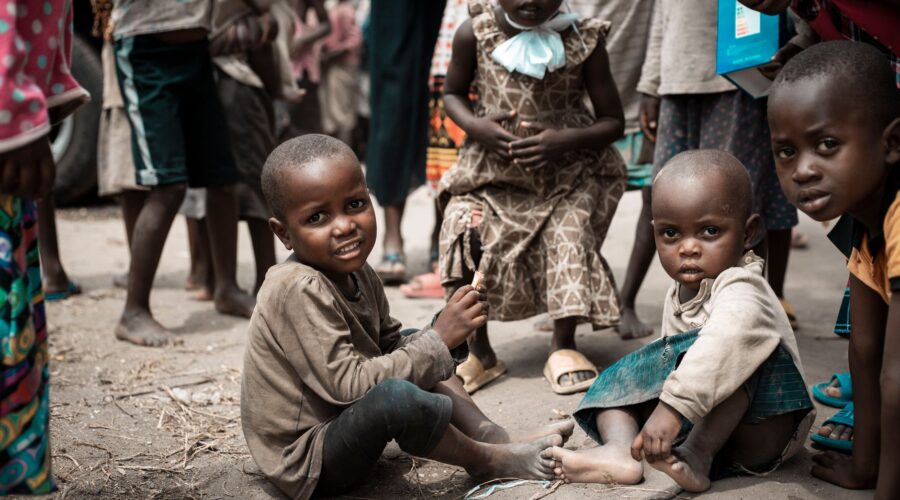
The report highlights a widening developmental divide among Africa’s youth. Nearly 60% of children aged two to five from the poorest households fail to reach age-appropriate developmental milestones. In contrast, that figure drops to 28% for children in the wealthiest families.
“Supporting families is not simply a matter of social policy choice; it is a legal obligation and a strategic investment in Africa’s future,” said Daniel Bekele, Executive Director of ACPF. He emphasized that families serve as the “first school” and the primary source of protection for children. “Policies that strengthen families contribute not only to child well-being but also to social cohesion and economic productivity.”
Families Pushed to the Breaking Point
The ACPF identifies a “perfect storm” of factors weakening the family unit, including persistent unemployment, the rising cost of living, armed conflict, and climate change. In 2025, approximately 877 million people—56.6% of the African population—faced moderate or severe food insecurity, making Africa the most food-insecure region globally.
Faced with these pressures, low-income families are often forced into desperate measures, such as reducing the quality of food, pulling children out of school, or resorting to child labor to survive. Case studies across Cameroon, Ghana, Morocco, Tanzania, and Zimbabwe paint a grim picture: fewer than half of the children surveyed (49.4%) have adequate access to healthcare, and only 59.8% have enough food.
Leading and Lagging Nations
The report also features the 2026 Child Friendliness Index, which ranks nations based on their commitment to child welfare. Seychelles leads the continent in first place, followed by Cape Verde, Mauritius, South Africa, Tunisia, and Namibia.
Conversely, the report identifies several nations where children remain most at risk. South Sudan remains in the last position—a rank it has held since 2018. Other countries at the bottom of the index include Eritrea, Nigeria, Sudan, the Democratic Republic of Congo, Cameroon, and the Central African Republic.
Promises Without Budgets
While many nations have passed laws intended to protect the youth, the report warns that legislation is meaningless without financial backing. The ACPF is calling for urgent government investment to bridge the gap between policy and reality.
“A good legal and policy framework without a budget allocation is a promise without a plan,” Bekele concluded.
Image: Pexels – Safari Consoler