2021 Cape Verde Census: Growth of Praia & Mindelo
In the heart of the Atlantic Ocean, the ten volcanic islands of Cape Verde (officially Cabo Verde) have undergone a quiet but profound transformation over the last decade. As the results of the 2021 Census became clear, they painted a picture of a nation in transition—shifting from a rural, dispersed society to an increasingly urbanized one. With a total population of approximately 530,000, this archipelago is one of Africa’s smallest nations, yet its demographic trends offer a fascinating study of development, migration, and the magnetic pull of its two primary urban centers: Praia and Mindelo.
Understanding the 2021 Census: A Nation on the Move
The 2021 Census provided more than just a head count; it served as a diagnostic tool for a country that has been a beacon of stability and democracy in Africa since its independence in 1975. Historically, Cape Verde’s population was dictated by the harsh realities of its geography. Lacking significant natural resources and plagued by persistent droughts in the 19th and 20th centuries, the islands saw massive waves of emigration. Today, the diaspora—spread across the United States, Portugal, and beyond—actually outnumbers the residents living on the islands.
However, within the islands, the 2021 data reveals a significant internal “re-shuffling.” The population is increasingly concentrated on a handful of islands, while others see their numbers stagnate or dwindle. According to the census, the most populous islands are:
- Santiago: 269,370 inhabitants
- São Vicente: 74,016 inhabitants
- Santo Antão: 36,632 inhabitants
- Fogo: 33,519 inhabitants
- Sal: 33,347 inhabitants
This distribution highlights the overwhelming dominance of Santiago, which now accounts for over half of the national population. This concentration is largely driven by the explosive growth of the nation’s capital, Praia.
Praia: The Rapid Rise of a Political and Economic Hub
Praia, located on the southern coast of Santiago, has cemented its status as the heartbeat of Cape Verde. With 137,868 residents, it is by far the largest city in the country. Since becoming the capital in 1770—taking over the mantle from the historic Ribeira Grande (Cidade Velha)—Praia has evolved from a colonial outpost into a bustling metropolitan center.
The growth of Praia is fueled by its role as the administrative, political, and economic center. As the country transitioned to a service-oriented economy with a heavy focus on tourism and foreign investment, the capital became the primary destination for young Cape Verdeans seeking education and employment. The census shows that Praia is not just growing; it is youthful and vibrant, though this rapid urbanization brings challenges, including the need for expanded infrastructure, housing, and public services.
Mindelo: The Cultural Capital of the North
While Praia represents the political and economic engine, Mindelo, on the island of São Vicente, remains the country’s cultural and maritime soul. With a population of 69,013, Mindelo is the second-largest city and serves as the primary urban center for the Barlavento (windward) islands.
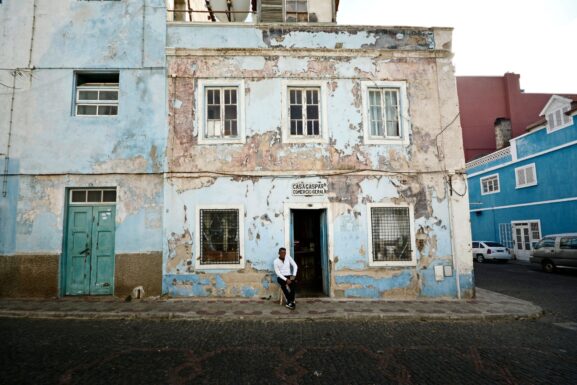
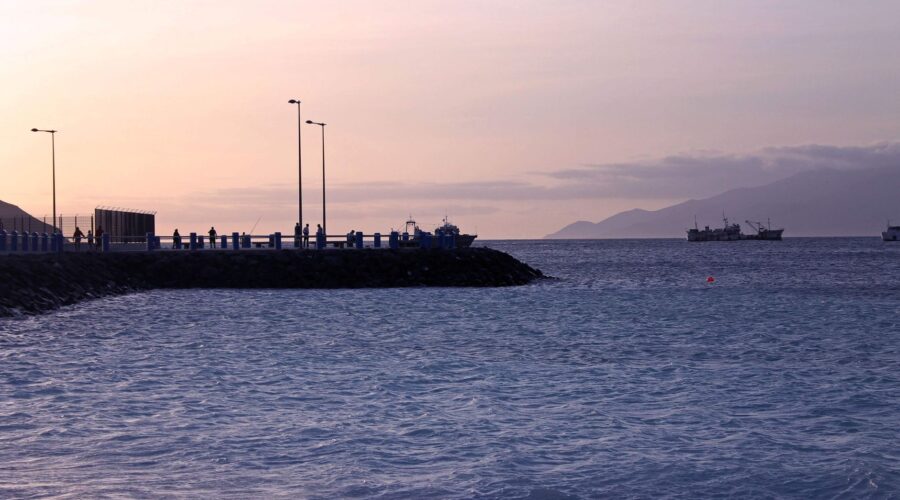
Mindelo’s history is inextricably linked to its deep-water harbor, Porto Grande. In the 19th century, it became a vital commercial stop for British shipping routes across the Atlantic. This legacy of internationalism has left Mindelo with a unique architectural charm and a reputation as the home of the country’s most celebrated musicians, poets, and artists. The 2021 Census confirms Mindelo’s status as a stable urban anchor, maintaining its cultural influence even as Praia takes the lead in sheer population numbers.
Secondary Urban Growth: Espargos and Assomada
Beyond the “Big Two,” the census highlights the emergence of secondary cities. Espargos, on the island of Sal, has grown to 24,500 residents. Its growth is almost entirely tied to the tourism industry and the presence of the Amílcar Cabral International Airport. Meanwhile, Assomada (21,297), located in the highlands of Santiago, serves as a vital market hub, bridging the gap between the rural interior and the capital.
The Challenges of Geography and Climate
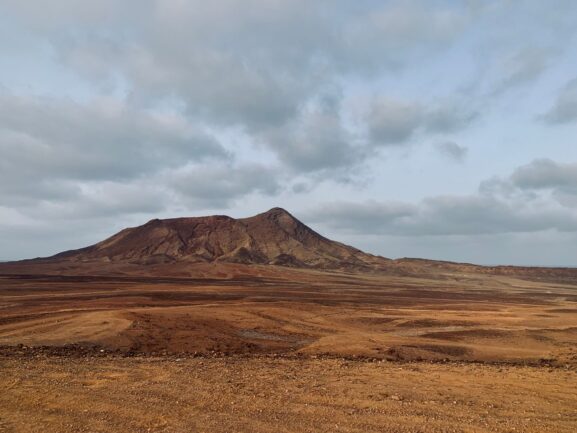
The 2021 Census data must be viewed through the lens of Cape Verde’s unique geography. The archipelago is part of the Macaronesia ecoregion, and its climate is largely arid or semi-arid. On islands like Sal and Boa Vista, the landscape is so dry that less than 2% of the land is arable. This environmental reality makes the growth of cities like Praia and Mindelo even more significant; as traditional agriculture becomes more difficult due to climate change, urban centers must provide the livelihoods that the land no longer can.
Cape Verde has taken a proactive stance on these challenges. Currently, 20% of the country’s energy comes from renewable sources, with an ambitious goal to reach 50% by 2030. The government has even engaged in “debt-for-nature” swaps—notably with Portugal—to fund environmental projects, recognizing that the future of its population depends on ecological resilience.
Demographic Facts at a Glance
- Official Language: Portuguese (used in government and education).
- National Language: Cape Verdean Creole (Crioulo), the heartbeat of daily life.
- Total Population: ~530,000.
- Key Economic Drivers: Tourism, services, and remittances from the diaspora.
- Health Milestone: In 2024, Cape Verde was certified as malaria-free, a major victory for public health and tourism.
Conclusion: A Future in the Cities
The 2021 Census confirms that Cape Verde is a nation leaning into its urban future. The growth of Praia and Mindelo reflects a broader trend of modernization and the pursuit of opportunity. While the islands face significant hurdles—from a lack of natural resources to the existential threat of climate change—the census reveals a resilient, concentrated population that is increasingly connected to the global economy.
For travelers, investors, and historians, Cape Verde remains a “real success story,” as described by world leaders. It is a country that has managed to maintain its democratic values and social stability while navigating the complexities of Atlantic island life. As Praia and Mindelo continue to expand, they will remain the essential stages upon which the next chapter of Cape Verdean history is written.
Image: Pexels – Ana Marta Jorge