Língua de Panu: Decoding Cape Verde’s Secret Textile Code
In the bustling, sun-drenched markets of Praia and Mindelo, a visitor might be captivated by the vibrant colors of the produce, the rhythmic cadence of the Crioulo language, and the aromatic scent of freshly roasted coffee. However, beneath the surface of these sensory delights lies a silent, centuries-old dialogue. It is a sophisticated system of non-verbal communication known as Língua de Panu (Language of the Cloth), where the simple act of folding or draping a traditional shawl conveys messages ranging from romantic availability to profound social dissent.
The Panu di Terra (Country Cloth) is more than just a textile in Cape Verde; it is a repository of history, a badge of identity, and a tool of strategic communication. To understand the ‘Língua de Panu’ is to peer into the soul of a nation that has mastered the art of saying everything without speaking a word.
The Origins of Panu di Terra: A Fabric of Resistance
To decode the messages, one must first understand the medium. The Panu di Terra is a hand-woven cotton textile, traditionally crafted on narrow horizontal looms by male weavers known as tecendeiros. Its history is inextricably linked to the transatlantic slave trade. During the 15th and 16th centuries, Cape Verde became a pivotal hub where African weaving techniques merged with Portuguese aesthetic influences.
Initially used as a form of currency, these strips of cloth (known as bandas) were sewn together to create larger wraps. Because the colonial authorities often restricted the speech and movements of the enslaved and marginalized populations, the Panu became a visual language. It was a way to maintain dignity and communicate identity under the watchful eyes of oppressors. Over time, this evolved into a nuanced social code used predominantly by Cape Verdean women, the Badius of Santiago island in particular.
Decoding the Folds: The Grammar of the Shawl
The ‘Língua de Panu’ is not arbitrary; it is a structured system where the positioning, folding, and knotting of the shawl indicate specific social states. While many of these nuances are fading in the modern era, they remain a vital part of the cultural memory in the islands’ traditional markets.
1. The Signal of Availability
In the traditional social landscape, a woman’s marital status or romantic interest could be signaled through the way she tied her Panu around her waist. A shawl tied with a specific knot on the left side might indicate that she was married or “taken,” whereas a knot on the right or a looser drape could signal that she was open to courtship. This allowed for a discreet way of navigating social interactions in crowded public spaces like markets without the need for potentially awkward verbal exchanges.
2. The Message of Mourning and Respect
The Panu di Terra is an essential component of funeral rites. A shawl draped heavily over the shoulders or used as a head covering in a specific, subdued manner communicates grief. In these instances, the pattern of the cloth also matters. Darker, more intricate geometric patterns are often reserved for solemn occasions, signaling to others in the market to approach the wearer with hushed tones and heightened respect.
3. Maternal Protection and Continuity
One of the most iconic uses of the Panu is the mambulu—the practice of wrapping a baby against the mother’s back. While functional, the way the shawl is tucked and the specific patterns used are believed to offer spiritual protection to the child. It signals the woman’s role as a protector and her contribution to the continuity of the Cape Verdean lineage.
The Marketplace: The Stage for Silent Dialogue
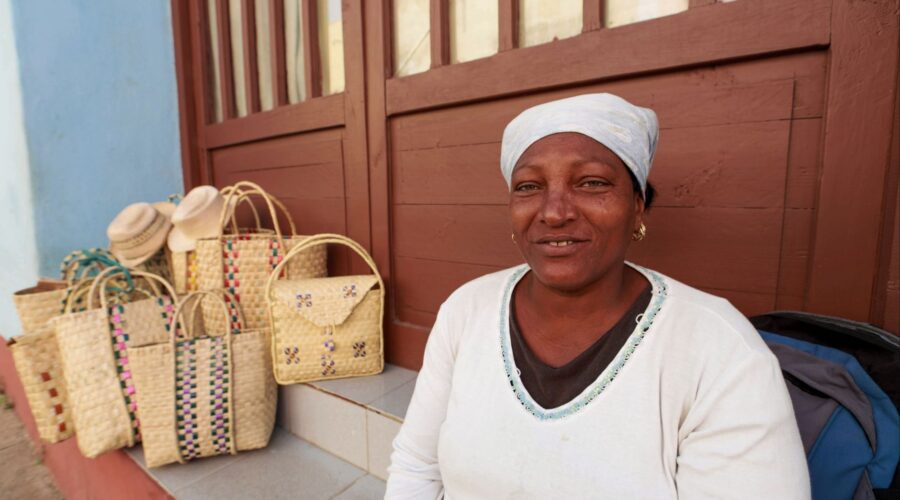
The Cape Verdean market is the “agora” of the islands—a place where economic survival and social performance collide. The Rabidantes (market women) are the primary keepers of the Língua de Panu. For these women, the shawl is a uniform of authority.
When a Rabidante adjusts her shawl firmly around her hips, it is often a sign of “readiness for battle”—not physical combat, but the rigorous negotiation and hard work that the day demands. Conversely, draping the shawl over one shoulder while engaging in conversation can indicate a level of trust or a shift from a commercial transaction to a personal confidence.
There is also the “message of defiance.” During the struggle for independence from Portugal, the wearing of traditional Panu di Terra became an act of political resistance. By choosing the indigenous weave over European fabrics, Cape Verdean women used their clothing to signal their allegiance to the liberation movement, right under the noses of colonial administrators who viewed the cloth as mere peasant attire.
Symbolism in the Patterns
The ‘Língua de Panu’ is not just about the fold; it is also about the weave. The patterns, usually blue and white (created using natural indigo dye), carry their own meanings:
- Oitavo: A complex pattern often associated with wealth and high social standing. Wearing this pattern in the market was a silent assertion of one’s success and influence.
- Branco-e-Preto: Simple, stark contrasts often used for daily work, signaling a pragmatic, no-nonsense attitude.
- Dentu de Tubarão (Shark’s Tooth): A jagged geometric pattern that signifies strength and protection, often worn by those navigating difficult personal or social transitions.
The Modern Evolution: Is the Code Fading?
As Cape Verde becomes increasingly globalized, the younger generation in Praia and Mindelo often opts for international fashion trends. The intricate “vocabulary” of the Língua de Panu is at risk of becoming a lost art. However, a cultural renaissance is underway.
Local designers are now integrating Panu di Terra into contemporary high fashion, bringing the “Language of the Cloth” to international runways. Furthermore, during festive occasions like the Tabanka or Nhô São Filipe, the traditional codes are revived with pride. The shawl has transitioned from a daily necessity to a symbol of Cabo-verdianidade (Cape Verdean identity).
Practical Tips for Travelers
If you find yourself in a Cape Verdean market, observing the Língua de Panu requires patience and a keen eye. Remember that this is a living culture, not a museum exhibit. If you wish to purchase a Panu di Terra:
- Seek Authenticity: Look for the tecendeiros in the interior of Santiago (specifically in the town of Tarrafal or the village of Fazenda) to find hand-woven pieces.
- Ask for the Story: When buying from a market woman, ask her about the pattern. Often, the sellers are delighted to share the history and the traditional “meanings” associated with the specific weave.
- Respect the Wear: While visitors are welcome to wear these shawls, doing so with an awareness of their history—perhaps draping it over the shoulder as a sign of respect—is always appreciated by the locals.
Conclusion: The Silence that Speaks Volumes
The ‘Língua de Panu’ is a testament to the resilience and creativity of the Cape Verdean people. It reminds us that communication is not always about the loudest voice; sometimes, the most profound messages are found in the subtle fold of a fabric or the intentional drape of a shawl. In the markets of Cape Verde, the cloth still speaks, carrying the whispers of ancestors and the quiet strength of the modern woman into the future.
Image: Pexels – Mehmet Turgut Kirkgoz