Cape Verdean Youth Revitalize Rural Portugal Economy
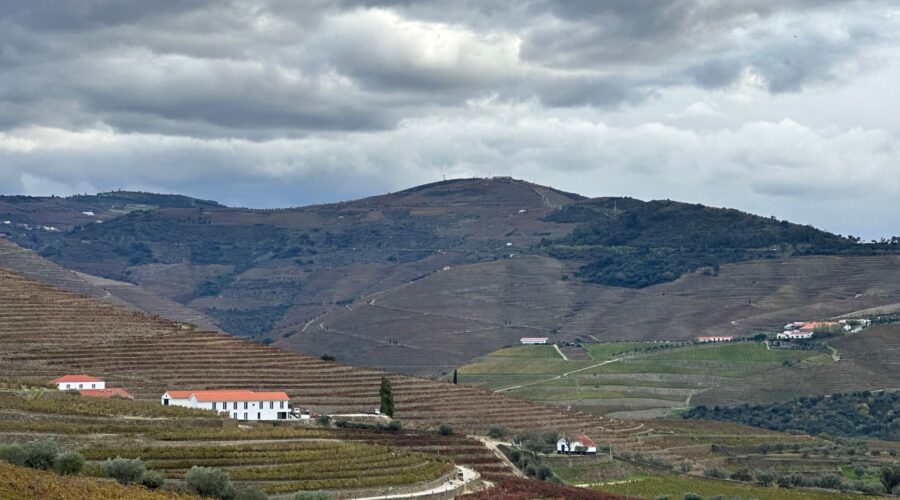
In the quiet district of Bragança, the town of Freixo de Espada à Cinta is finding a new lease on life thanks to a wave of young talent from Cape Verde. These students-turned-professionals are filling critical gaps in the local labor market, proving that specialized education and international cooperation can revitalize aging rural communities.
The initiative began four years ago when the first 20 students arrived from the Portuguese-speaking African nation. Since then, another 21 have followed, trading their island homes for the hills of northern Portugal. Today, 15 of these graduates are already fully integrated into the local workforce, taking on roles in hotels, restaurants, social services, and vineyards.
From Interns to Professionals
For Aleida Lopes, 21, the journey wasn’t without its challenges. Arriving at age 17, she initially struggled with homesickness and the culture shock of a town where she knew no one. Four years later, her perspective has shifted entirely. After completing a professional internship at a local hotel restaurant, she was immediately offered a full-time position.
“For now, I plan to stay here,” Lopes told Lusa. “I’ve managed to overcome the initial obstacles. I want to go back to Cape Verde for holidays, but my work is here.”
Similarly, 23-year-old Belany da Veiga has found her footing in the culinary world. Specializing in pastry, she now creates her own desserts for a local restaurant. “I feel at home because I am treated well,” she said. “This environment is perfect for building a career.”
Supporting the Aging Population
The impact is perhaps most visible in the social sector. Marleny Tavares now works in geriatrics at the Santa Casa da Misericórdia (SCMFE), providing essential care to the town’s elderly population. Susana Santos, the institution’s technical director, noted that the arrival of qualified young workers has “refreshed” the market.
“Having staff who are specifically trained for these roles is a massive asset,” Santos explained. “Twelve Cape Verdean students are currently interning across our four buildings, and most of them intend to stay in Freixo de Espada à Cinta after they finish.”
A Model for Regional Revitalization
Local business owners are equally enthusiastic. José Araújo, a restaurant owner who hired one of the graduates, emphasized that specialized labor is increasingly difficult to find in the region. “When people are professionally skilled, we must make use of them. It’s an asset for the whole town,” he said.
Mayor Nuno Ferreira views the program as a dual success: it addresses the labor shortage while boosting the local population. The initiative is governed by a tripartite agreement between the municipality, the Institute for Employment and Vocational Training (IEFP), and the General Directorate of School Establishments.
“By settling these young people, we are revitalizing the local economy,” Ferreira said. The mayor confirmed that agreements are now in place with Cape Verdean municipalities on the islands of Fogo, Santiago, and São Nicolau to reserve 10 spots for Lusophone students every academic year.
What started as a professional secondary education course—covering everything from viticulture to restaurant management—has grown into what Ferreira calls a “national example” of how strategic migration and vocational training can solve the demographic challenges facing rural Portugal.
Image: Pexels – Sergei Gussev