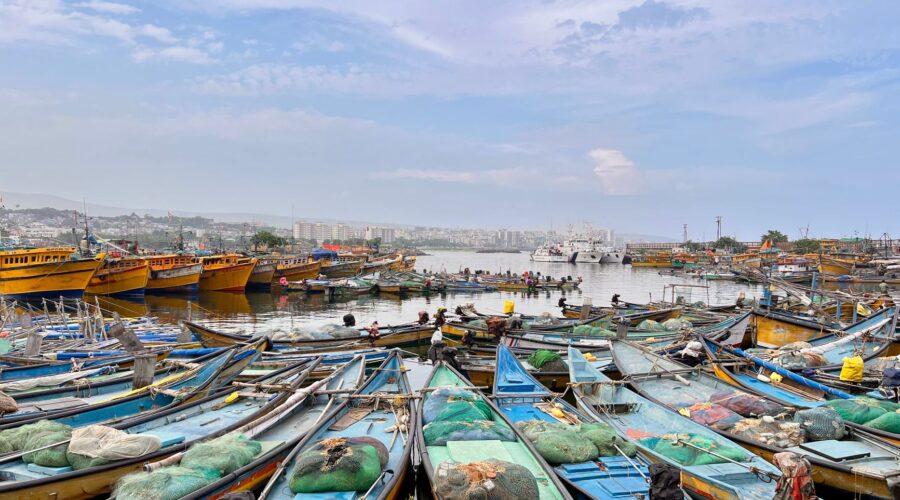
Angola Fish Production Hits 664,000 Tons Amid Industrial Surge
Angola has recorded a significant boost in its maritime sector, producing 664,000 tons of fish so far this year. The figures, announced Tuesday by Minister of Fisheries and Marine Resources Carmen dos Santos, highlight the growing industrialization of the nation’s waters.
Industrial Fishing Takes the Lead
Industrial and semi-industrial operations dominated the year’s output, accounting for 411,000 tons, or approximately 61% of the total catch. The remaining production came from the artisanal fishing sector, which continues to play a vital social and economic role in coastal communities.
Speaking at the opening of the 2nd International Conference on Sustainable Fisheries and Aquaculture (CIPAS 2026) in Luanda, Minister dos Santos emphasized that these results reflect the government’s commitment to the National Development Plan 2022-2027. She stressed the importance of balancing production with rigorous scientific management to ensure long-term sustainability.
Strengthening Oversight and Traceability
To better manage these resources, the Angolan government has identified 215 fish landing sites, including 115 dedicated to artisanal and formal fishing. The Ministry is currently working to tighten controls over how fish are sourced, moved, and sold.
“These measures aim to strengthen product traceability and improve the quality of our statistical data,” dos Santos said. “We must ensure that resource management decisions are supported by reliable scientific evidence.”
A primary goal for the government is the formal integration of artisanal fishing into the national framework. By improving knowledge of this segment, officials hope to create more effective sustainable management policies that protect both the environment and the livelihoods of local fishers.
Focus on Aquaculture and Food Security
Beyond open-water fishing, the Minister called for a surge in continental aquaculture, with a specific focus on tilapia farming. Increasing the production of tilapia is viewed as a strategic move to bolster food and nutritional security across the country.
However, production is only half the battle. Dos Santos advocated for a “better distribution” network to ensure that the increased supply actually reaches the tables of the Angolan population, reducing food scarcity in inland regions.
The CIPAS 2026 conference, held under the theme “From Sustainability to Transformation: Innovate to Protect, Produce to Prosper,” continues through Friday. The event brings together maritime experts and policymakers from Brazil, Cape Verde, Guinea-Bissau, Mozambique, Portugal, Zambia, and Norway to discuss the future of global fisheries.
Image: Pexels – Almuntadhar Faris