Cape Verde Targets Universal Electricity Access by 2028
Cape Verde is on the verge of total electrification. The government announced an ambitious target to provide electricity to 100% of its population by 2028, closing the gap for the final 3% of citizens who currently live off the grid.
Closing the Last Mile
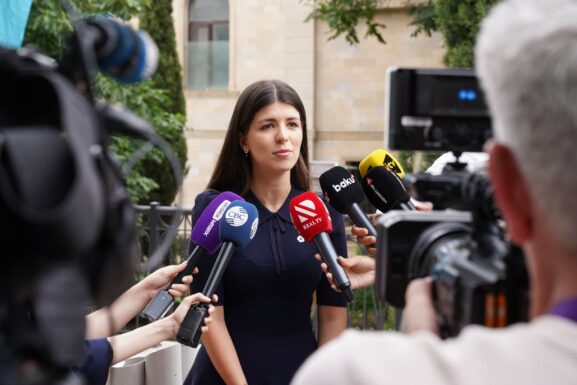
Speaking at the 2nd Lusophone Africa Investment Forum on the island of Sal, José Carlos Moniz, Minister of Special Project Coordination and Access to Funds, detailed the plan to connect underserved households and regularize clandestine connections. The country currently boasts a 97% coverage rate, one of the highest in the region.
This initiative is part of the “Mission 300” (M 300) National Compact, a strategic partnership facilitated by the African Development Bank (AfDB) and the International Finance Corporation (IFC). The program aims to accelerate electricity access across the African continent through public policy reform and the mobilization of private and development financing.
A Green Energy Future
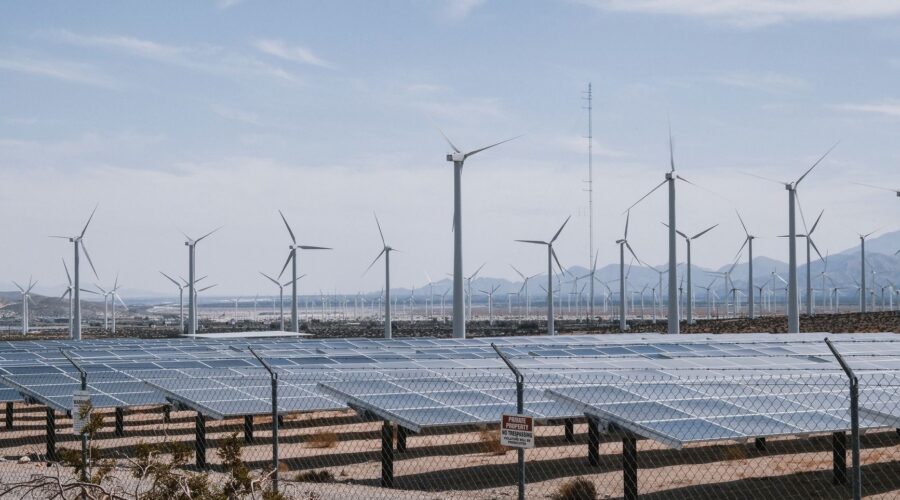
The push for universal access is only the first step in Cape Verde’s long-term energy strategy. The nation plans to transition its energy mix to 70% renewables by 2031, with a goal of reaching 100% by 2040. Achieving these milestones will require an estimated $520 million in investment by 2031, of which $295 million is expected to come from private capital.
“Not being dependent on oil-producing countries is very important,” said Pedro Coutinho, CEO of Source Energy. He noted that natural resources like sun and wind eliminate the risks associated with volatile oil prices and logistical bottlenecks. “With technological developments, intermittency can be compensated with batteries. This independence is a vital part of the future for these countries.”
Regional Ambitions
Guinea-Bissau also presented its energy roadmap at the forum, though it faces a steeper climb. Currently, only 40% of its population has access to electricity, and many health and education facilities remain in the dark. The country’s compact targets universal access by 2030, a feat that would require $700 million in total investment.
The IFC and AfDB are playing a critical role in bridging the gap between national goals and private investors. By providing technical assistance and structured frameworks, these institutions minimize development time and risk for private companies looking to enter the market.
Over the last five years, the IFC has mobilized approximately $1.2 billion across 10 projects in Portuguese-speaking African countries, signaling a growing international interest in the region’s renewable potential.
Image: Pexels – Kindel Media