World Bank: Jobs, Not Minerals, Measure Africa’s Success
The measure of success for any economic policy or investment in Africa must be judged by a single, vital metric: the creation of sustainable jobs. This was the central message delivered by Harold Tavares, World Bank Executive Director, at the opening of the 2nd Lusophone Africa Investment Forum on Sal Island, Cape Verde.
“The greatest challenge for the African continent today is to create jobs,” Tavares told an audience of regional leaders and international investors. “Africa’s greatest asset is not underground, nor in its geography; it is in its people.”
The 12-Million-Job Challenge
The scale of the challenge is immense. According to World Bank data, up to 12 million young Africans enter the labor market every year. Tavares argued that the effectiveness of every reform and investment project must be evaluated by whether it generates enough employment to meet this surging demand.
While the goal of job creation is universal, Tavares noted that the strategies must be tailored to the specific strengths of each Portuguese-speaking African country (PALOP):
- Angola and Mozambique: Must focus on diversifying their economies away from traditional sectors.
- Cape Verde and São Tomé and Príncipe: Need to extract higher value from the blue economy and tourism.
- Guinea-Bissau: Should continue to leverage its agricultural strengths.
Reducing Risk to Attract Private Capital
Tavares emphasized that while public investment lays the groundwork, it is insufficient on its own. Private capital is available but remains hesitant due to perceived risks. To combat this, the World Bank Group plans to strengthen its provision of investment guarantees across the continent.
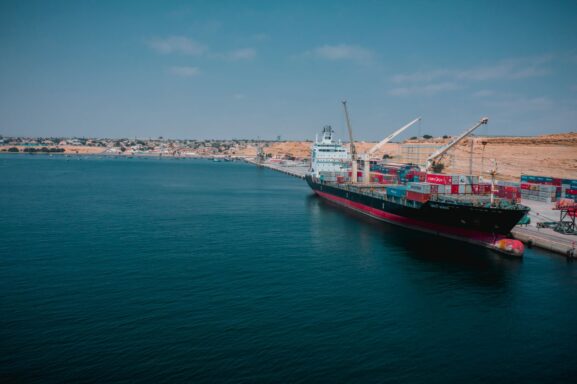
“Every reform completed lowers the risk premium,” Tavares explained, warning that delays in governance improvements only drive potential investors away. He also proposed a visionary “Atlantic corridor” of ports to link West African maritime trade with the Indian Ocean coast in Mozambique.
Toward an Integrated Market
The forum, organized by the International Finance Corporation (IFC), aims to bridge the gap between regional opportunities and global capital. Ethiopis Tafara, IFC Vice President for Africa, highlighted the potential for the PALOP nations to move beyond “fragmented economies” toward an integrated market.
Such a market would encompass approximately 80 million people with a combined GDP of $132 billion. “Holding this forum sends a message that the IFC is deeply committed to Lusophone countries,” Tafara said.
Over the past five years, the IFC has already mobilized $1.2 billion across 10 major projects in Portuguese-speaking African nations. This year’s forum continues that momentum under the theme: “Investing in Lusophone Africa: Powering corridors, developing agribusiness, and boosting sustainable tourism.”
Image: Pexels – Jep Gambardella