Brava: A Guide to Cape Verde’s Enchanting Island of Flowers
Tucked away in the southernmost reaches of the Cabo Verde archipelago lies a hidden gem that many travelers overlook. While the bustling beaches of Sal and the vibrant music scenes of Mindelo capture the headlines, Brava, the smallest inhabited island of the Sotavento (Leeward) group, offers a different kind of magic. Known affectionately as the “Island of Flowers,” Brava is a land of dramatic cliffs, mist-covered peaks, and a deep-seated cultural heritage that defies its diminutive size.
A Geographical Marvel in the Atlantic
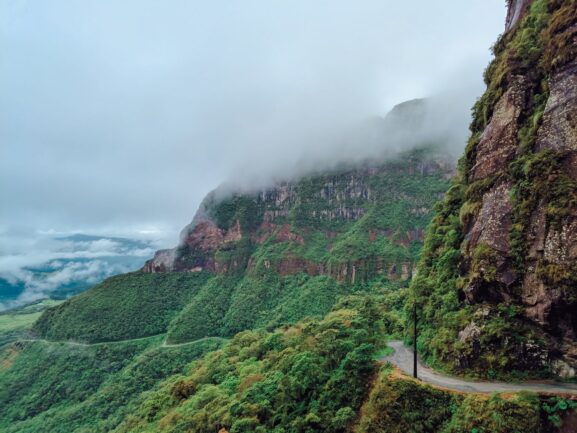
Geologically, Brava is a fascinating part of the Macaronesia ecoregion. Like its neighbors, it was formed by volcanic activity millions of years ago, but it possesses a character all its own. Spanning only 67 square kilometers, Brava is the most mountainous of the southern islands relative to its size. Its proximity to the towering volcano of Fogo creates a unique microclimate; while Fogo is often scorched and arid, Brava captures the Atlantic mists, resulting in a lush, verdant landscape that earned it its floral nickname.
The island is part of the Sotavento group, which also includes Santiago (home to the capital, Praia), Fogo, and Maio. Unlike the flat, sandy islands of Sal or Boa Vista, Brava is defined by its verticality. Deep valleys and jagged peaks characterize the interior, while the coastline is a series of formidable cliffs that plunge into the deep blue of the Atlantic Ocean.
The Garden of Cabo Verde
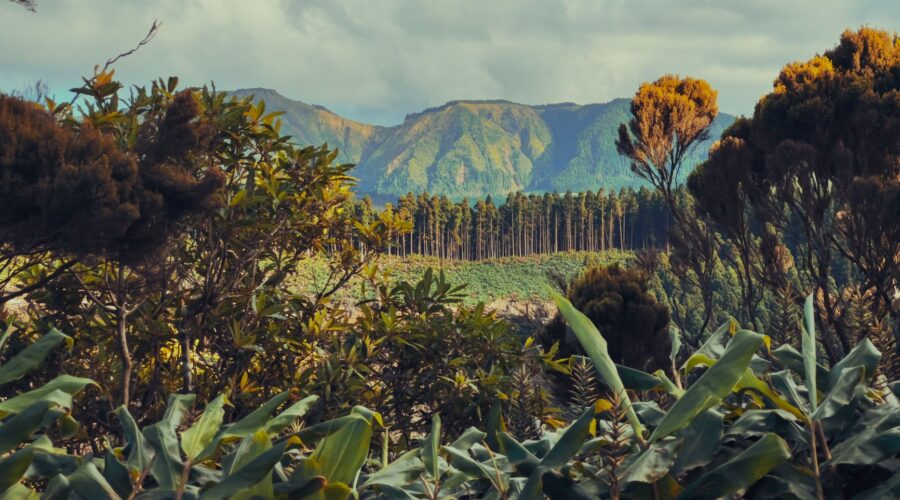
One cannot speak of Brava without mentioning its flora. Thanks to the “orographically induced precipitation”—a phenomenon where humid air hits the steep mountains and condenses—Brava enjoys a level of moisture that allows for “rich woods and luxuriant vegetation.” In the higher altitudes, you will find traces of dry monsoon forests and laurel forests that are rare in this part of the Sahelian semi-arid belt.
The main town, Vila Nova Sintra, is widely considered one of the most beautiful villages in all of Cape Verde. Named after the historic town of Sintra in Portugal, it sits on a high plateau, surrounded by hibiscus, bougainvillea, and almond trees. The cool, misty air and the colonial architecture give it an ethereal, timeless quality that feels worlds away from the heat of the African mainland, which lies some 570 kilometers to the east.
A Deep Connection to the Diaspora
Brava holds a unique place in the history of the Cape Verdean diaspora. During the 19th century, the island’s excellent, albeit small, harbors became a frequent stop for American whaling ships. This interaction sparked a massive wave of emigration to the United States, particularly to New England (Massachusetts and Rhode Island).
Today, the Cape Verdean diaspora significantly outnumbers the population living on the islands (roughly 530,000 as of 2026). In Brava, this connection is palpable. Many residents have spent years in the U.S. or have relatives there, leading to a unique cultural blend where English is often heard alongside the official Portuguese and the national language, Cape Verdean Creole (Crioulo). The remittances and cultural exchange from the diaspora have been the lifeblood of the island for generations.
The Birthplace of Morna
Brava is also the spiritual home of Morna, the soulful, melancholic musical genre that is the heartbeat of Cape Verdean culture. The island’s most famous son, the poet Eugénio Tavares, was instrumental in popularizing Morna. His lyrics, often written in Crioulo, speak of sodade—a profound sense of longing and nostalgia—capturing the pain of departure and the hope of return that has defined the Brava experience for centuries.
Practical Information for Travelers
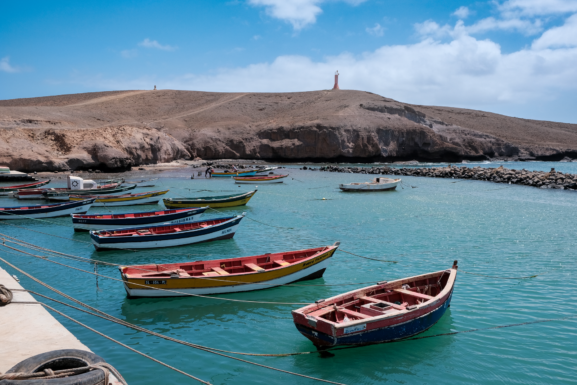
Reaching Brava is part of the adventure. Because of its rugged terrain and fierce winds, the island does not have an active airport (the previous airport at Esperadinha was closed due to dangerous crosswinds). Access is strictly by sea.
Getting There
- The Ferry: Most travelers take the “Fast Ferry” from the neighboring island of Fogo. The trip takes about 45 to 60 minutes. Because the Atlantic can be rough, it is advisable to check schedules frequently as crossings are weather-dependent.
- Port of Furna: All visitors arrive at the small port of Furna. From here, a winding road (known for its hairpin turns) leads visitors up to Vila Nova Sintra.
What to Do
- Hiking: Brava is a hiker’s paradise. Trails lead from Vila Nova Sintra down to the sea or up into the mist-shrouded peaks of Fontainhas. The views of Fogo’s volcanic cone across the water are breathtaking.
- Fajã d’Água: A stunning coastal village located in a fertile valley. It offers a natural swimming pool and a peaceful atmosphere that is perfect for those looking to disconnect.
- Photography: Between the colorful colonial houses and the wild, endemic plants like the Iago sparrow (Passer iagoensis) flitting through the trees, there is a photo opportunity at every turn.
Sustainability and the Future
As Cape Verde positions itself as a leader in renewable energy in sub-Saharan Africa—with a goal of 50% renewable energy by 2030—Brava is a prime candidate for eco-tourism. The island’s fragile ecosystem, which includes endemic reptiles and birds, is a priority for conservation. The recent “debt-for-nature” swap agreement with Portugal underscores the nation’s commitment to protecting unique environments like Brava from the existential threats of climate change.
Conclusion
Brava is not an island for those seeking luxury resorts or wild nightlife. Instead, it is a sanctuary for the soul. It is a place where the history of the transatlantic shipping routes, the legacy of the whaling era, and the poetic beauty of the Morna come together. For the traveler willing to brave the ferry ride, the “Island of Flowers” offers a rare glimpse into the authentic, quiet heart of Cabo Verde.
Image: Pexels – Duncan Light