Guinea-Bissau Launches RESIslands for Climate Investment
Guinea-Bissau has officially launched the RESIslands project, a major initiative designed to bolster the nation’s climate resilience and unlock vital international investment for environmental protection.
A Shield Against Rising Tides
Developed by the United Nations Economic Commission for Africa (ECA), the project aims to equip Guinea-Bissau with the technical expertise needed to assess climate risks and draft high-quality investment proposals. These proposals are critical for securing the funding required to protect the country’s vulnerable communities, livelihoods, and diverse ecosystems.
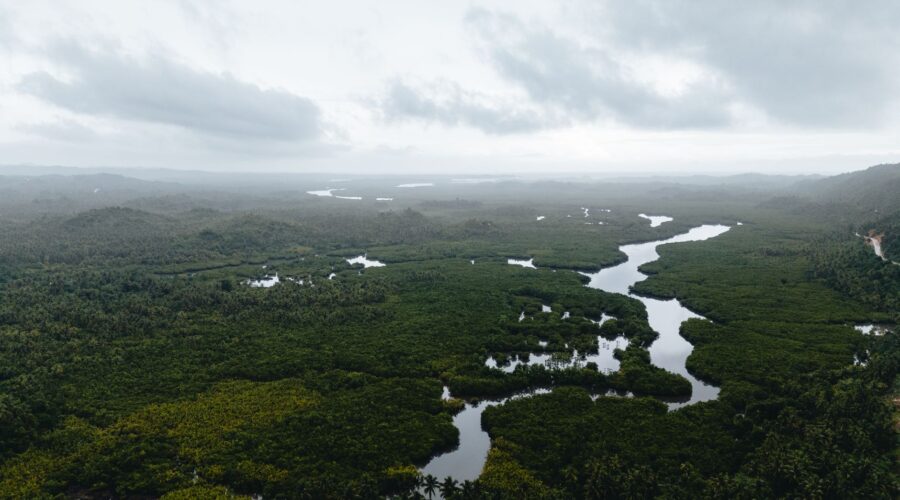
Guinea-Bissau is particularly exposed to the impacts of a warming planet. The ECA warned that sea-level rise, coastal erosion, saltwater intrusion, and shifting rainfall patterns are already threatening the country’s coastal regions, mangroves, and the Bijagós archipelago—areas that are the lifeblood of the nation’s fishing and agricultural sectors.
Beyond Environmentalism: A Matter of Survival
Speaking at the launch event, Kjartan Fjeldsted, ECA program management officer, emphasized that the stakes go far beyond conservation. “Strengthening climate resilience in Guinea-Bissau is not just an environmental issue,” Fjeldsted said. “It is a matter of development, security, protection of livelihoods, and the future of communities.”
Inoussa Kaboré, UNICEF representative and interim UN Resident Coordinator, echoed this urgency, noting that for Guinea-Bissau, climate change is a present reality rather than a distant threat. Kaboré urged that investment proposals be designed to provide “tangible benefits,” specifically calling for the active involvement of women and youth in defining solutions.
Bridging the Technology Gap
Carlos Pinto Pereira, Guinea-Bissau’s Minister of Environment and Climate Action, highlighted the need for practical support at the local level. He stressed that providing communities with climate information and new technologies is only half the battle. “The introduction of equipment and technologies must be accompanied by training and continuous support, so that communities can use them effectively,” Pereira noted.
A Regional Strategy for Island States
Funded by the Green Climate Fund (GCF), the 30-month RESIslands project is part of a broader regional effort. It supports nine members of the African Island States Climate Commission (AISCC), including Cape Verde, Comoros, Equatorial Guinea, Madagascar, Mauritius, Sao Tome and Principe, Seychelles, and Zanzibar (Tanzania).
The initiative follows the “Guinea-Bissau Road for African Island States,” a strategic framework adopted during a ministerial conference in Bissau in 2025. By building institutional capacity and generating evidence-based data, the project seeks to create a “pipeline” of climate projects ready for global investors, ensuring that Guinea-Bissau is no longer sidelined in the fight for climate finance.
Image: Pexels – Lukas Faust