Cape Verde Housing Crisis: 1 in 7 Families Lack Bathrooms
In a cramped, fire-scarred room in the Achada Mato neighborhood of Praia, 54-year-old Maria Freire lives surrounded by the bare essentials: a bed, a mattress, and a single suitcase of clothes. For over a decade, her family has inhabited this unfinished shell, one of thousands across Cape Verde struggling to turn precarious structures into dignified homes.
“I’ve lived here for more than ten years,” Maria told Lusa ahead of World Habitat Day. Originally from the interior of Santiago Island, she and her husband bought a cheap plot of land to escape the burden of rent. Today, exposed electric wires snake across her bedroom wall, her kitchen is a makeshift arrangement of blocks and sheet metal, and her bathroom was only possible through outside charity.
Maria’s story is a common one in this Atlantic archipelago. According to the National Institute of Statistics (INE), nearly 23,000 families—one in seven—live in homes without a bathroom. Even more staggering, over half of the country’s households (approximately 85,500 families) lack a shower. The crisis is fueled by a reliance on “self-construction,” where residents build their own homes slowly as funds allow. With 80% of the nation’s housing stock built this way, many families remain trapped for years in skeletal structures with protruding iron rods and no basic utilities.
The Daily Struggle for Water and Dignity
A few meters away from Maria, 37-year-old Dulcelina Tavares faces a similar reality. Living with three children in a house of unfinished cement, she struggles with the soaring cost of building materials and a total lack of municipal services. “The money isn’t enough,” she says, citing the absence of piped water and sanitation.
In the Simão Ribeiro area, Quinta de Oliveira, a migrant from Guinea-Bissau, washes her son’s school uniform in a basin using less than two liters of water. Her family has no bathroom; they rely on basins for their physiological needs and buy water from passing trucks. In the Jamaica neighborhood, street vendor Maria Semedo only recently managed to build a bathroom after years of using containers inside her home. She supports four children by waking at dawn to cook sweets, often skipping meals herself to ensure she has stock to sell.
Government Pledges a New Path Forward
The scale of the crisis has made housing the top priority for the new government. Minister of Infrastructure, Housing, and Territorial Planning, Carlos Tavares, revealed plans to restructure the “Casa para Todos” (House for All) program, an initiative valued at approximately 18 million euros.
“We plan to build about five thousand houses by 2031,” Minister Tavares stated. The government’s strategy rests on a flagship project called “Barraca Zero” (Zero Shack), which aims to resettle those living in the most precarious conditions into formal housing.
Beyond new builds, the Minister emphasized that rehabilitation is key. The government intends to fund roof repairs and the installation of bathrooms for existing homes that have remained “under construction” for years. With housing dominating nine out of ten meetings between the central government and local mayors, the Minister acknowledged that the road ahead is long. “These figures provide a glimpse into the scale of the challenge we face,” he said.
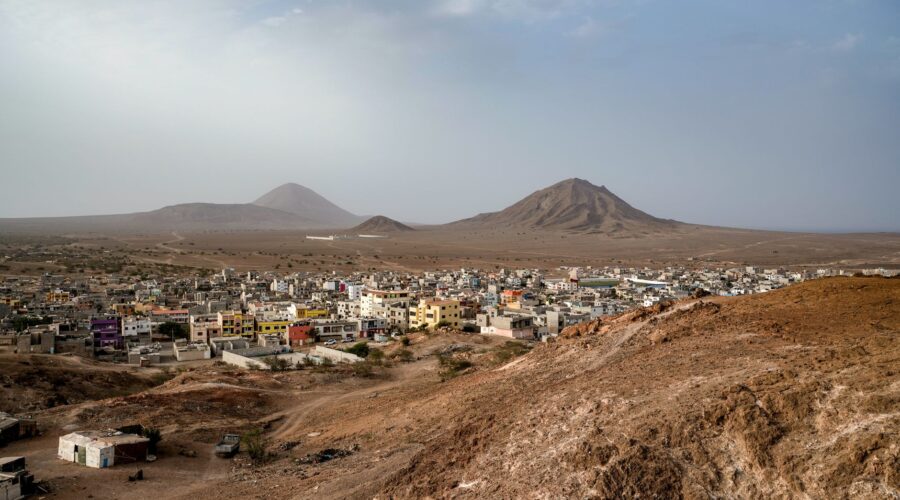
Image: Pexels – Nico Marín