The 1444 Naming of Cabo Verde: History and Etymology
In the vast expanse of the eastern Atlantic, where the azure waters meet the African horizon, lies an archipelago defined by its resilience, volcanic beauty, and a name that carries the weight of 15th-century maritime ambition. While the world commonly knows these islands as Cape Verde, the history of this name is not rooted in the islands themselves, but in a lush, green peninsula on the West African mainland discovered nearly a decade before a single Portuguese foot touched the archipelago’s volcanic soil.
The 1444 Discovery: Naming the ‘Green Cape’
The story of the naming of Cap-Vert (Cabo Verde) begins in 1444, during the height of the Portuguese Age of Discovery. Under the patronage of Prince Henry the Navigator, Portuguese explorers were pushing further south along the coast of Africa than any Europeans had before. In that year, explorer Dinis Dias reached the westernmost point of the African continent.
Coming from the arid, sandy stretches of the Saharan coast to the north, the sight of a peninsula covered in dense, verdant vegetation was striking. Dias named this landmark Cabo Verde (Green Cape). Today, this peninsula is home to Dakar, the capital of Senegal. The “Green” in the name was a direct reference to the startling contrast between the lush greenery of the peninsula and the desert landscapes the explorers had left behind.
From Peninsula to Archipelago
It wasn’t until approximately 1456—twelve years after the naming of the peninsula—that navigators like the Genoese António de Noli and the Portuguese Diogo Gomes first encountered the uninhabited islands situated 600 to 850 kilometers (370 to 530 miles) to the west. Because these islands were located directly off the coast of the previously named Green Cape, they inherited the moniker. The archipelago became the “Islands of the Green Cape,” eventually shortened to simply Cape Verde.
The Linguistic Evolution: Cape Verde vs. Cabo Verde
For centuries, the name of the archipelago was anglicized to “Cape Verde.” However, names are powerful symbols of identity and sovereignty. In 2013, the Cape Verdean government took a significant diplomatic step by requesting that the international community—including the United Nations—recognize the country’s official name in its original Portuguese form: Cabo Verde.
This request was not merely about grammar; it was an assertion of Lusophone (Portuguese-speaking) identity. The Portuguese pronunciation ([ˈkabu ˈveɾdɨ]) reflects the nation’s history as a former Portuguese colony that gained independence in 1975. Today, official maps, diplomatic documents, and international organizations use “Cabo Verde” to honor the nation’s specific cultural and linguistic heritage.
A Strategic Crossroads: Settlement and Trade
Unlike many other African nations, the Cabo Verde islands were uninhabited until the Portuguese arrived. The first permanent settlement was established in 1462 on the island of Santiago. The town, named Ribeira Grande (now known as Cidade Velha), holds the distinction of being the first permanent European settlement in the tropics.
The Role in Global Trade
The archipelago’s geographic position proved to be both a blessing and a curse. During the 16th and 17th centuries, Cabo Verde became a central hub for the transatlantic slave trade. Its strategic location made it a perfect stopping point for ships traveling between Europe, Africa, and the Americas. The islands saw a booming trade in manufactured goods, rum, ivory, and gold, but this prosperity was built on the tragic movement of enslaved African people.
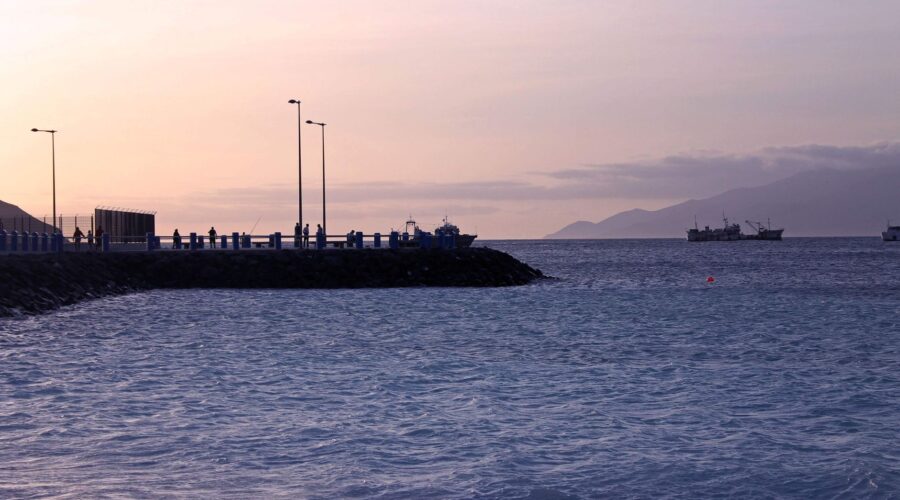
As the slave trade declined in the 19th century, the islands faced an economic crisis. However, they found a new life as a crucial maritime refueling station. The harbor at Mindelo, on the island of São Vicente, became a world-renowned commercial center where ships from across the globe stopped to resupply. Even Charles Darwin, during his famous voyage on the HMS Beagle in 1832, made his first stop in the archipelago, noting its unique geological and biological features.
The Geography of the “Green” Islands
Interestingly, the name “Green Cape” can be somewhat misleading to modern visitors. The archipelago is divided into two distinct groups based on wind patterns:
- Barlavento (Windward) Islands: Santo Antão, São Vicente, Santa Luzia, São Nicolau, Sal, and Boa Vista.
- Sotavento (Leeward) Islands: Maio, Santiago, Fogo, and Brava.
While the islands of Sal, Boa Vista, and Maio are characterized by flat, sandy deserts and salt flats, others like Santiago and Santo Antão feature rugged mountains and lush valleys where orographic rainfall allows for “green” forests that live up to the country’s name. The archipelago is part of the Macaronesia ecoregion, sharing volcanic origins and unique biodiversity with the Azores, Madeira, and the Canary Islands.
Modern Cabo Verde: A Success Story
From its discovery in 1444 and settlement in 1462, Cabo Verde has transformed into one of Africa’s most stable and democratic nations. Since gaining independence in 1975, it has transitioned into a service-oriented economy with a heavy focus on sustainable tourism.
Leading the Way in Sustainability
Cabo Verde is currently at the forefront of the fight against climate change. As an island nation particularly vulnerable to rising sea levels, it has become a leader in renewable energy. As of 2023, 20% of the country’s energy is sourced from renewables, with a goal to reach 50% by 2030. In a historic move, Portugal recently agreed to a “debt-for-nature” swap, forgiving €140 million of debt in exchange for Cabo Verde’s investment in environmental and climate-resilience projects.
A Culture of Connection
With a population of approximately 530,000, the people of Cabo Verde are a unique blend of West African and European ancestry. This heritage has birthed a rich culture, most famously expressed through its music (such as Morna) and the Cape Verdean Creole (Crioulo) language. Remarkably, the Cabo Verdean diaspora—spread across the United States, Portugal, and beyond—actually outnumbers the population living on the islands, creating a global network of culture and economic support.
Conclusion
The naming of Cabo Verde in 1444 was an act of observation by explorers amazed by a splash of green on a desert coast. Today, that name represents far more than a geographical landmark. It stands for a nation that has navigated the complexities of colonial history, the scars of the slave trade, and the challenges of an arid climate to emerge as a beacon of democracy and environmental leadership in the Atlantic. Whether you call it Cape Verde or Cabo Verde, the “Green Cape” remains a vital bridge between continents and cultures.
Image: Pexels – Ana Marta Jorge