São Tomé and Príncipe Elections: Observers Praise Orderly Vote
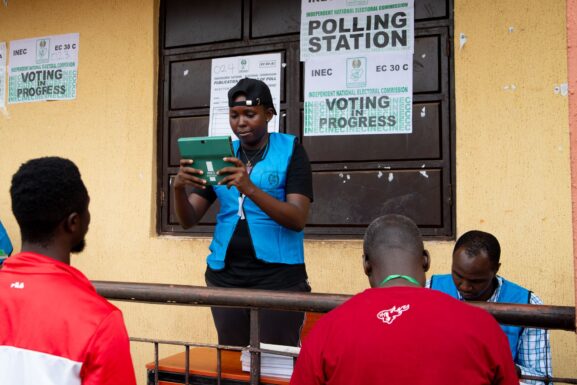
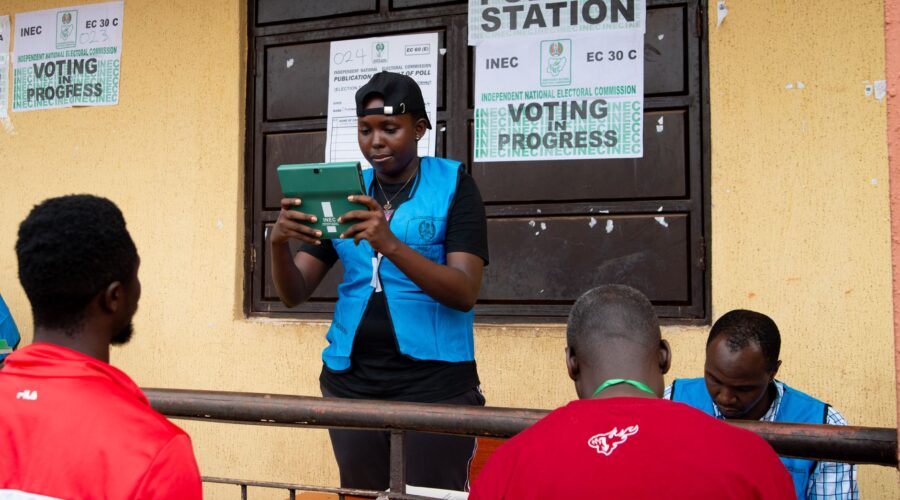
Voters in São Tomé and Príncipe turned out in force on Sunday for legislative, local, and regional elections, described by international observers as peaceful, orderly, and a significant improvement over previous polls.
A “Quiet and Calm” Election Day
Sérgio Humberto, the Portuguese MEP leading the European Union (EU) election observation mission, praised the conduct of the vote. Unlike the presidential elections in July, which were marred by some logistical delays, Sunday’s proceedings remained stable across the archipelago.
“The elections have been proceeding in an orderly, quiet, peaceful, and calm manner,” Humberto told reporters in São Tomé. “There were no recorded disruptions or polling stations that failed to open… we note this with great satisfaction.”
By midday, observers had monitored approximately 50 polling stations. While a few stations experienced minor delays in opening, officials reported no major incidents. Humberto also highlighted a visible rise in “professionalism and methodology” compared to recent votes, specifically noting better privacy measures within voting booths.
Battling Voter Apathy
Despite the smooth operation, turnout remained a central concern. São Tomé and Príncipe has struggled with record absenteeism in the past, hitting nearly 59% in recent cycles. While early turnout appeared similar to previous years, Humberto urged the nation’s 146,000 registered voters to make their voices heard.
“It is a duty we must exercise to strengthen democracy,” Humberto said. “They are electing district councils, the country’s future government, and members of the National Assembly. The participation of all women, men, and young people is vital.”
The Stakes and the Players
At stake are 55 seats in the National Assembly. The election is a high-stakes battle between four established parliamentary parties: the Independent Democratic Action (ADI), the Liberation Movement of São Tomé and Príncipe (MLSTP), the MCI-PUN coalition, and the Basta Movement. Three smaller parties—the PCD, MDFM, and the newly formed Nossa Terra Political Movement—are also vying for representation.
International Oversight
The EU mission, which includes a European Parliament delegation led by Ana Catarina Mendes, is part of a broad international effort to ensure transparency. Other monitoring groups include the African Union, the Community of Portuguese Language Countries (CPLP) led by former Equatorial Guinea Prime Minister Vicente Ehate Tomi, and the G7+.
This election follows the July 19 presidential vote, where Carlos Vila Nova secured re-election in the first round. With nearly 4,000 new voters added to the rolls since then, the outcome of today’s vote will determine the legislative landscape and the next government for the island nation.
Image: Pexels – David Iloba