Cape Verde History: Slave Trade Decline & Rise of Steamships
The history of Cape Verde, or Cabo Verde, is a narrative of strategic geography. Situated roughly 570 kilometers off the coast of West Africa, this ten-island archipelago has spent centuries serving as a vital bridge between continents. However, no period in its history illustrates the volatile nature of global commerce better than the transition during the mid-to-late 19th century and the early 20th century. During this era, the islands underwent a profound transformation: the harrowing era of the transatlantic slave trade finally collapsed, giving way to a new economic lifeline—the Rise of the Steamship.
The Dark Foundation: Cape Verde and the Slave Trade
To understand the decline of the 1920s and the preceding decades, one must first look at the foundation of the Cape Verdean economy. Uninhabited until the 15th century, the islands were settled by Portuguese explorers who recognized their strategic value. By the 16th and 17th centuries, the archipelago had become a central hub for the transatlantic slave trade.
The islands served as a “re-export” point. Manufactured goods, rum, and cloth arrived from Europe and were traded for gold, ivory, and enslaved West Africans. The original capital, Ribeira Grande (now Cidade Velha), became the first permanent European settlement in the tropics and a wealthy, albeit grim, commercial center. However, this prosperity was built on a fragile and inhumane industry that was destined to face global abolitionist pressure.
The Economic Crisis of the 19th Century
By the mid-1800s, the winds of change were blowing across the Atlantic. The legal abolition of the slave trade by major powers—including Britain and eventually Portugal—severely crippled the islands’ traditional revenue streams. This coincided with devastating periods of drought and a lack of natural resources, leading to a period of severe economic depression and mass emigration.
As the slave ships vanished from the horizon, Cape Verde faced an existential threat. The islands, which had once grown wealthy by being a waypoint for human trafficking, were forced to reinvent their purpose or face total abandonment. The solution lay in the technological revolution occurring thousands of miles away in Europe: the invention of the coal-fired steam engine.
The Rise of Mindelo and the Coal Revolution
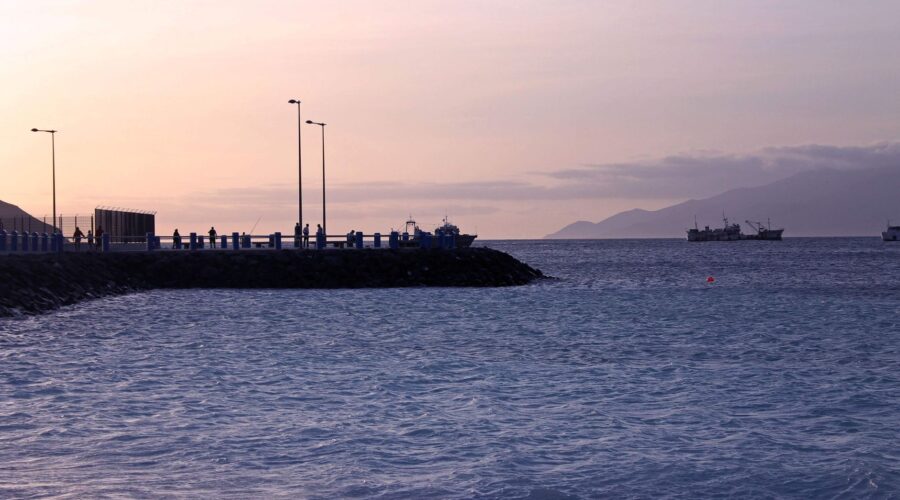
While the decline of the slave trade brought ruin to older settlements like Cidade Velha, it breathed new life into the island of São Vicente. The city of Mindelo possessed a deep-water, volcanic crater harbor that was perfectly suited for the large vessels of the industrial age. As steamships began to replace sailing vessels, they required frequent stops to take on coal and fresh water for their long voyages between Europe, South America, and South Africa.
By the late 1800s and leading into the 1920s, Cape Verde had successfully transitioned from a slave depot to a “global gas station.” British companies, in particular, established massive coal depots in Mindelo. The harbor became one of the busiest in the Atlantic, and the archipelago regained its status as an indispensable commercial center.
The 1920s: A Decade of Transition and Turbulence
The 1920s represented a fascinating crossroads for Cabo Verde. While the slave trade was a ghost of the past, the “Steamship Era” was reaching its zenith but also facing its first major challenges. The decade was characterized by a specific set of circumstances:
- The Shift to Oil: During the 1920s, the maritime industry began the slow transition from coal to fuel oil. While Mindelo adapted, the competition from other Atlantic ports, such as Las Palmas in the Canary Islands and Dakar in Senegal, intensified.
- Post-War Volatility: Following World War I, global trade patterns shifted. The islands remained a vital cable station—the “Internet hub” of the 1920s—where undersea telegraph cables linked Europe to the Americas, but the local economy remained vulnerable to fluctuations in world trade.
- Colonial Neglect: Despite the strategic importance of the ports, the Portuguese colonial administration provided little sustainable investment. The wealth generated by the steamship traffic rarely trickled down to the local population, who continued to suffer from periodic droughts and food insecurity.
The Lasting Legacy of the Era
The decline of the slave trade and the subsequent rise of the maritime service industry fundamentally reshaped Cape Verdean society. The influx of sailors, merchants, and workers from across the Lusophone world and Europe contributed to the islands’ unique cultural tapestry. This era solidified the “Creole” identity—a blend of West African roots and Portuguese influence—that defines the nation today.
Furthermore, the economic hardships of the 1920s and the decades that followed sowed the seeds of nationalism. The lack of autonomy and the colonial government’s failure to address the needs of the people eventually led to the formation of the PAIGC (African Party for the Independence of Guinea and Cape Verde) in the 1950s, spearheaded by Amílcar Cabral.
Cabo Verde Today: From Steamships to Sustainability
Looking back from the 21st century, the transition of the 1920s was a precursor to the modern Cape Verdean economy. Today, the nation has moved beyond coal and steam, focusing instead on services, tourism, and renewable energy. As a stable representative democracy and a leader in the “debt-for-nature” swap movement, Cabo Verde has transformed its legacy of being a strategic waypoint into a model for sustainable development in Africa.
The 1920s marked the final chapter of the islands’ recovery from the slave trade era. It was a time when the archipelago proved it could survive the loss of its original, dark economic engine by embracing the technology of the future. While the steamships have long since departed, the resilience they brought to the shores of Mindelo remains a cornerstone of the Cape Verdean spirit.
Fast Facts for Travelers and Historians
- Strategic Position: Cape Verde is located 600-850 km west of Dakar, Senegal.
- Mindelo’s Importance: The city remains the cultural capital of the islands, largely due to its history as a cosmopolitan steamship port.
- Language: While Portuguese is the official language, Cape Verdean Creole (Crioulo) is the heartbeat of the nation, born from the diverse interactions of the shipping eras.
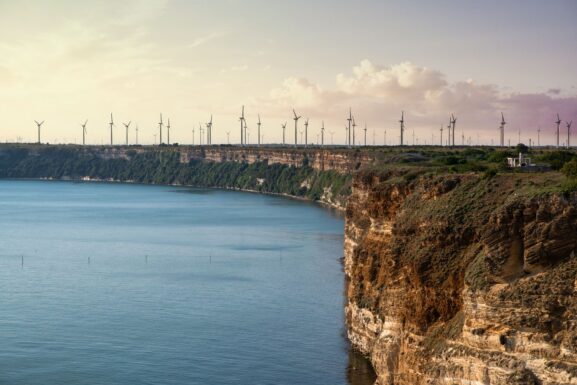
- Climate Leadership: Today, the islands aim to get 50% of their energy from renewable sources by 2030, a far cry from the coal-smoke days of the 1920s.
Image: Pexels – Ana Marta Jorge