Cape Verde & the Iberian Union: Fortification and Decline
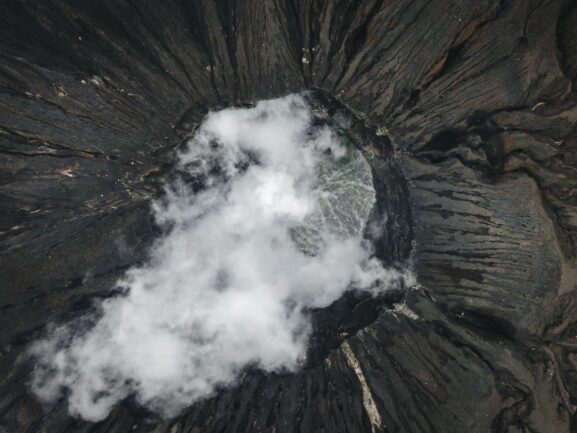
In the late 16th century, the geopolitical landscape of the Atlantic shifted dramatically. For the fledgling settlements of Cabo Verde, a volcanic archipelago situated 570 kilometers off the West African coast, this era was defined by the Iberian Union (1580–1640). This sixty-year period, during which the Spanish Habsburgs reigned over both Spain and Portugal, brought the islands into the crosshairs of global superpowers, leading to a paradoxical era of fortified defense and inevitable economic decline.
The Strategic Crown Jewel of the Atlantic
By the time Philip II of Spain ascended to the Portuguese throne in 1580, Cape Verde had already established itself as a vital cog in the Portuguese Empire. The islands, particularly Santiago, served as one of the first European permanent settlements in the tropics. Their geographic position made them an indispensable re-supply point for the burgeoning transatlantic trade routes.
Under the Iberian Union, the islands took on a new strategic dimension. They were no longer just a Portuguese outpost; they were a frontier territory of a global “empire where the sun never set.” However, this union also made Cape Verde a legitimate target for Spain’s greatest rivals: England, France, and the Dutch Republic.
Defensive Challenges: The Price of a Global Target
The role of the Iberian Union in the defense of Cape Verde was one of reactive fortification. Because Spain was at war with much of Northern Europe, the archipelago’s settlements—most notably Ribeira Grande (now known as Cidade Velha)—faced unprecedented aggression. The most famous of these incursions occurred in 1585, when the English privateer Sir Francis Drake twice sacked Ribeira Grande.
These attacks exposed the vulnerability of the islands’ defenses. The Union responded by attempting to bolster the archipelago’s military presence. Massive stone fortifications, such as the Forte Real de São Filipe, were constructed or expanded to overlook the harbors. These structures were intended to deter pirates and rival navies, reflecting the Spanish philosophy of centralized, heavily fortified maritime nodes. Yet, despite these efforts, the sheer distance from the Iberian Peninsula and the vastness of the Atlantic made consistent protection nearly impossible.
A Fortress in the Tropics
Ribeira Grande became a symbol of this defensive struggle. As a center for the trade of manufactured goods, rum, gold, and African slaves, it was a prize worth fighting for. The Iberian Union’s military engineers sought to transform the rugged volcanic terrain into an impenetrable bastion, using the steep cliffs and arid slopes to their advantage. However, the costs of maintaining these garrisons often outweighed the protection they provided, as the islands lacked the natural resources—such as timber and fresh water—necessary to sustain large-scale military operations indefinitely.
The Seeds of Decline: Economic Shifts and Global Competition
While the Iberian Union sought to defend Cape Verde, it also inadvertently oversaw its economic decline. Several factors during the 1580–1640 period contributed to the fading glory of the islands:
- Diversion of Resources: The Spanish Habsburgs were often more concerned with the silver fleets of the Americas than the Portuguese trade posts in Africa. Consequently, investment in Cape Verdean infrastructure was frequently neglected in favor of Spanish interests in the Caribbean and Peru.
- The Rise of Rival Trade Routes: The Dutch and English, emboldened by their successes against the Iberian Union, began establishing their own direct trade routes to the West African coast and the Americas, bypassing the traditional Portuguese-controlled hubs in Cape Verde.
- Monopoly and Regulation: The restrictive trade policies of the Iberian Union stifled the local merchant class. While the archipelago had once seen rapid growth driven by the trade of ivory and cloth, the bureaucratic weight of the Union limited the islands’ commercial flexibility.
The Shift to Praia and the Legacy of the Union
The vulnerability of Ribeira Grande during the Iberian Union eventually led to a shift in the islands’ internal power dynamics. Constant naval threats forced the colonial administration to reconsider the capital’s location. Following a devastating French attack in 1712—a long-term consequence of the rivalries sparked during the Union era—the importance of Ribeira Grande plummeted. By 1770, the capital was officially moved to Praia, which offered better natural protection and a more sustainable harbor.
The decline was further exacerbated by the environment. As the 17th century progressed, persistent droughts and the aridity of the Sahelian belt (which Cape Verde belongs to) made agriculture increasingly difficult. With less than two percent of the land being arable, the settlements could no longer support the population levels they had seen during the early 16th-century boom.
The Iberian Footprint on Crioulo Culture
Despite the economic hardships of the era, the period of the Iberian Union helped solidify the unique cultural identity of the islands. The interaction between West African populations and the Iberian settlers led to the further development of Cape Verdean Creole (Crioulo). This period of conflict and commerce forced a diverse population to adapt and survive, creating a resilient social fabric that would eventually lead the nation toward independence in 1975.
Conclusion: A Turning Point in History
The era of the Iberian Union was a double-edged sword for Cape Verde. It brought the islands onto the world stage as a vital military and commercial objective, resulting in the construction of impressive fortifications that still stand as UNESCO World Heritage sites today. However, it also marked the beginning of a long period of economic stagnation as the islands were caught in the crossfire of European imperial wars.
Today, as a stable representative democracy and a leader in renewable energy in Africa, Cabo Verde looks back at the Iberian Union not just as a time of decline, but as the period that tested the islands’ endurance. The stone walls of Cidade Velha remain as silent witnesses to a time when these ten volcanic islands were the most contested territory in the Atlantic Ocean.
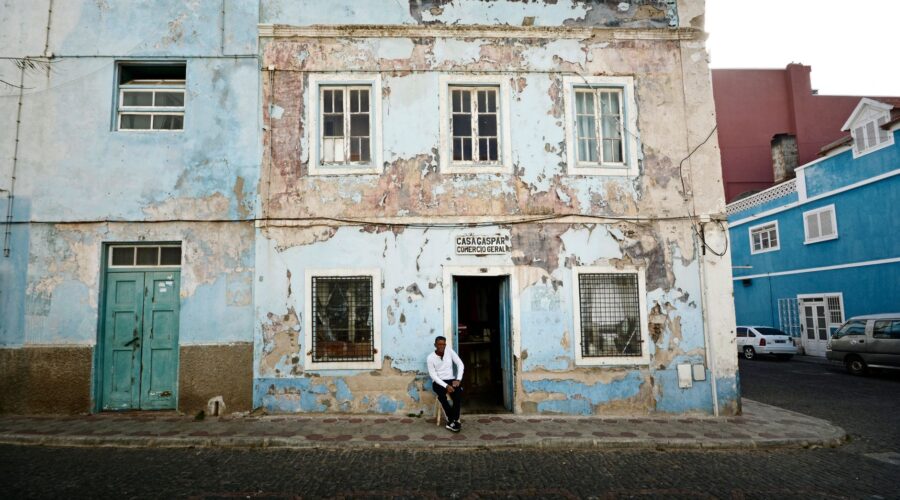
Image: Pexels – damien Saillet