AI for Climate Resilience in Cape Verde: Sand & Water Tools
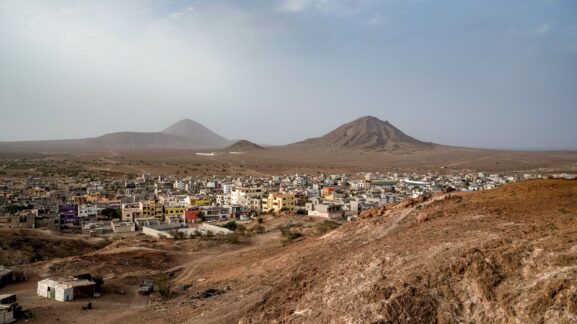
In the middle of the Atlantic Ocean, approximately 500 kilometers off the coast of West Africa, lies the volcanic archipelago of Cape Verde (Cabo Verde). While the islands are celebrated for their vibrant morna music and pristine beaches, they also stand on the front lines of a global climate emergency. Faced with recurring droughts and the encroaching dust of the Sahara, this small island developing state (SIDS) is turning to a powerful ally: Artificial Intelligence (AI).
The Double Threat: Sandstorms and Scarcity
Cape Verde’s climate challenges are twofold. First, the archipelago is geographically positioned in the path of the “Harmattan,” a seasonal trade wind that carries thick clouds of Saharan dust across the Atlantic. These sandstorms, which are increasing in frequency and intensity due to desertification, pose significant risks to public health, aviation, and solar energy production.
Second, Cape Verde is one of the most water-stressed nations on Earth. With minimal rainfall and limited natural groundwater, the country has historically relied on expensive desalination processes and traditional agriculture that is constantly threatened by prolonged dry spells. As climate change disrupts predictable weather patterns, the margin for error in resource management has vanished. This is where AI-driven climate resilience enters the frame.
AI-Powered Early Warning Systems for Sandstorms
Predicting the arrival of a sandstorm is notoriously difficult. Traditional meteorological models often struggle with the complex variables of wind speed, soil moisture in the Sahara, and atmospheric pressure changes. However, Cape Verde is increasingly integrating AI and machine learning (ML) to process vast amounts of satellite imagery and sensor data.
Predictive Modeling and Public Health
By using deep learning algorithms, researchers can now identify the “signature” of an approaching dust plume days before it reaches the islands. These AI models analyze historical data to predict the density and duration of the dust. For the residents of Cape Verde, this isn’t just a technological feat—it’s a lifesaver. Early warnings allow hospitals to prepare for surges in respiratory issues and enable the aviation sector to adjust flight schedules, preventing dangerous landings at airports like Nelson Mandela International in Praia.
Protecting the Green Transition
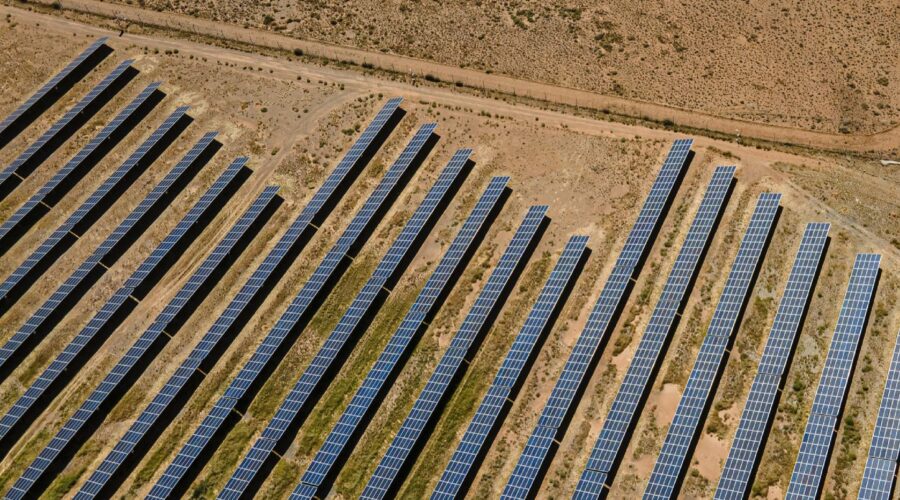
Furthermore, sandstorms significantly impact Cape Verde’s ambitious renewable energy goals. Dust accumulation on solar panels can reduce efficiency by over 30% in a single day. AI systems are now being used to predict these events, allowing energy providers to schedule automated cleaning cycles and manage grid stability by anticipating drops in solar output.
Managing Every Drop: AI in Water Scarcity
If sandstorms are the visible threat, water scarcity is the silent crisis. Cape Verde has realized that it cannot simply find more water; it must manage its existing resources with surgical precision. AI is the tool making this “smart water” revolution possible.
Smart Desalination and Energy Efficiency
Desalination provides the vast majority of Cape Verde’s drinking water, but it is incredibly energy-intensive. AI algorithms are being implemented to optimize the operation of desalination plants. By analyzing real-time electricity prices and renewable energy availability, AI can determine the most cost-effective times to run high-energy pumps, significantly lowering the carbon footprint and cost of water production.
Precision Agriculture: The ‘AgriTech’ Leap
In the fertile valleys of islands like Santo Antão and Santiago, AI-powered sensors are changing the way farmers work. Instead of traditional irrigation, which can lead to water waste through evaporation, AI systems monitor soil moisture levels and local weather forecasts to deliver the exact amount of water needed via drip irrigation. This “Precision Agriculture” ensures that not a single drop is wasted, helping the islands maintain food security in an era of unpredictable rainfall.
A Model for Small Island Developing States
Cape Verde’s journey into AI-driven climate resilience serves as a blueprint for other Small Island Developing States (SIDS). The “Cape Verde Digital Strategy” aims to position the country as a mid-Atlantic tech hub, leveraging its strategic location to host data centers and innovation labs focused on tropical climate solutions.
By partnering with international organizations like the United Nations and various tech NGOs, Cape Verde is proving that high-tech solutions are not just for wealthy, industrialized nations. The democratization of AI tools means that a small archipelago can develop bespoke solutions for its unique geographical challenges.
The Challenges Ahead: Data and Digital Literacy
While the potential is enormous, the road to AI integration is not without hurdles. The primary challenge remains data collection. For AI to be effective, it requires high-quality, localized data. Cape Verde is currently working to expand its network of IoT (Internet of Things) sensors across all ten islands to feed more accurate information into its AI models.
There is also the human element. “Technology is only as good as the people who use it,” is a common sentiment in the Praia tech community. Investing in digital literacy and training local engineers to maintain and evolve these AI systems is crucial for long-term sustainability.
Conclusion: The Future is Resilient
Cape Verde’s proactive stance on using Artificial Intelligence to combat sandstorms and water scarcity is a testament to the nation’s resilience and ingenuity. Instead of being victims of their environment, the islands are becoming architects of a new, tech-enabled future. As the world watches the climate crisis unfold, Cape Verde is showing that with the right mix of traditional knowledge and cutting-edge technology, it is possible to thrive against the odds.
For travelers, investors, and climate scientists alike, Cape Verde is no longer just a destination for sun and sand—it is a living laboratory for the future of our planet.
Image: Pexels – Charl Durand