Fuel Price Surge Hits Cape Verde Livelihoods & Economy
A sharp rise in fuel prices is rippling through the economy of Cape Verde, straining the livelihoods of fishermen, transport operators, and low-income families who are now struggling to cover basic costs.
“The Sea is Uncertain”: Fishing Industry at a Breaking Point
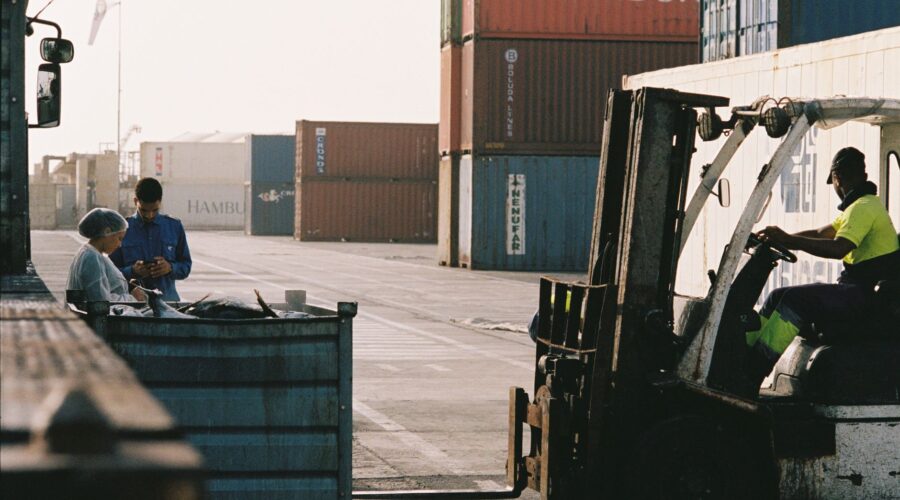
At the Port of Praia, the rising cost of diesel is turning a hard job into a losing gamble. Carlos Gilberto, 52, who has spent four decades at sea, says the math no longer adds up. A ton of diesel for his vessel has surged from 70,000 escudos (approx. €635) to 100,000 escudos (€907).
“If we catch 100,000 escudos worth of fish, that only covers the fuel. There is nothing left for the family,” Gilberto told Lusa. The father of four explained that because fish prices remain stagnant—consumers cannot afford to pay more—the burden falls entirely on the workers.
Euclides Dias, a boat owner, has been forced to slash his operations from three trips a week to just one. “If the price of fish goes up, no one buys it and it spoils. We are at a standstill,” he lamented.
Commuters and Drivers Caught in a Squeeze
The transport sector is equally battered. João Correia, a veteran driver of the “hiace” collective vans, has seen his daily fuel expenditure jump from 2,000 to 3,000 escudos (€27). While he attempted a modest fare increase of 20 escudos, passengers are resisting.
For commuters like Liliana Lopes, a mother of four, the situation is becoming untenable. Earning a minimum wage of 17,000 escudos (€154), she now spends 10,000 escudos—nearly 60% of her salary—just to get to work. “Not everyone can bear this cost,” she said. “We have children to raise.”
The high costs are also changing how goods move. Artemisa Ferreira, who sells agricultural products, has reduced her trips to the capital from four times a week to once a month. She now pays drivers to transport her stock of vegetables and feed rather than traveling herself, though she warns that these transport costs will eventually force food prices higher.
Economic Pressure and Government Response
The price hike follows a recent adjustment by the Multisectoral Regulatory Authority of the Economy (ARME), which implemented a 4.51% average increase in fuel prices on September 1, citing volatility in international oil markets. Gas station employees in Praia report that customers are now purchasing significantly smaller amounts of fuel than they were just weeks ago.
The Association for the Defense of Consumers (ADECO) has warned that this spike will have a domino effect on electricity and food prices, urging the government to intervene. While the government has extended discounts on electricity tariffs through the end of the year, it has yet to announce specific relief for the transport or fishing sectors, stating that details on further support would be provided at a later date.
Image: Pexels – Carlo Jünemann