
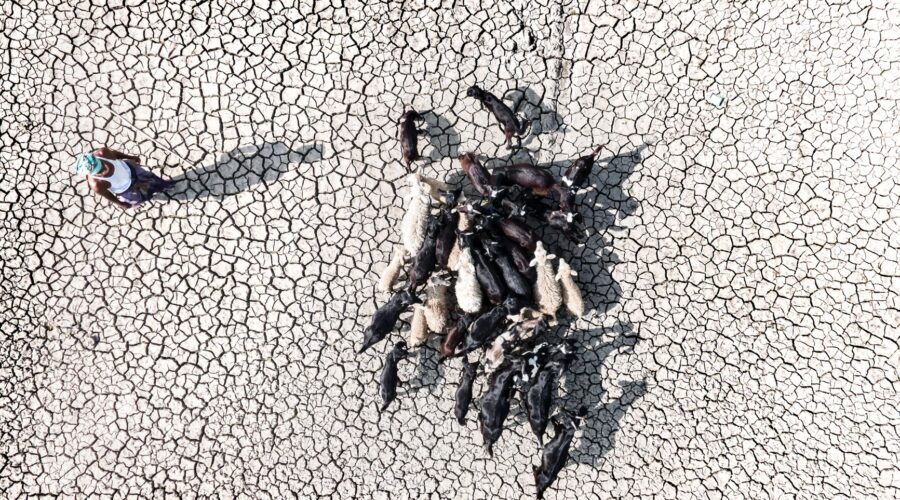
Cape Verde Weighs Emergency Aid as Drought Withers Crops
The Cape Verdean government is preparing to launch emergency support programs for rural families as a prolonged dry spell threatens the nation’s agricultural output. Heavy losses have already been reported in areas where early crops failed due to a lack of rainfall.
Early Sowing Lost to Dry Weather
Agriculture Minister Eveline Ramos confirmed on Monday that the government is currently distributing fresh seeds to farmers to allow for a second round of planting. Traditionally, the agricultural cycle in Cape Verde begins in June, but this year’s early efforts were largely wasted.
“Several plantings have already been lost,” Ramos stated during a technical meeting on the National Agricultural Investment Plan. “We are waiting for rain. We have hope that things will change, but we are prepared to act if they don’t.”
If the drought persists, the government plans to activate a climate change mitigation program. This initiative would provide critical resources, including subsidized animal feed and financial aid for the most vulnerable rural households.
A Dual Crisis: Drought and Labor Shortages
While the weather remains the immediate threat, Minister Ramos highlighted a more permanent challenge facing the sector: a shrinking workforce. The mass exodus of young Cape Verdeans seeking opportunities abroad has left farms understaffed.
“The labor shortage is a structural problem for the country right now,” Ramos admitted. She warned that the lack of young workers will inevitably lead to a decrease in the total area of land under cultivation, further straining the nation’s food security.
Precarious Weather Patterns
Rain in the archipelago is typically concentrated between August and November. However, the National Institute of Meteorology and Geophysics (INMG) had already forecast a late start to the 2026 rainy season, predicting precipitation levels ranging from “deficient to normal.”
Farmers in regions like Santiago North had voiced concerns as early as June, fearing the “false start” of early rains that vanish shortly after seeds are in the ground. Experts warn that above-average temperatures are compounding the crisis by increasing the water deficit in already parched soil.
Government teams are currently conducting field assessments to determine the full extent of the damage. A formal response plan is expected to be announced once the data is finalized.
Image: Pexels – Muhammad Amdad Hossain