Cape Verde’s 2026 FIFA World Cup Debut: A Historic Milestone
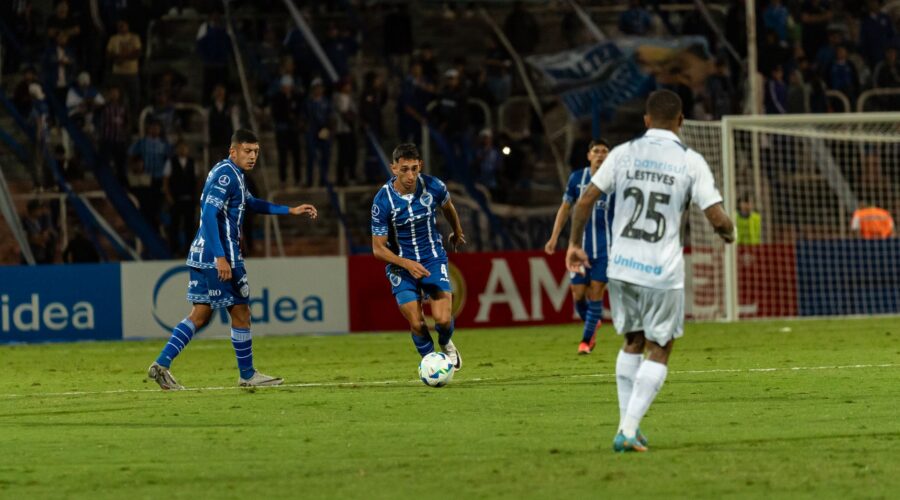
In the world of international football, the year 2026 will forever be etched in history as the moment a small archipelagic nation defied the odds. Cape Verde, officially known as Cabo Verde, has officially secured its debut in the FIFA World Cup. For a nation of just 530,000 people, this achievement is more than just a sporting milestone; it is a testament to the resilience, talent, and “morabeza” (hospitality) of a people whose influence stretches far beyond their volcanic shores.
A Giant Leap for a Small Nation
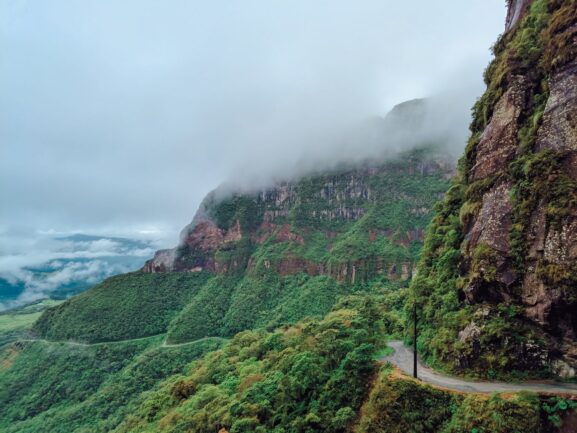
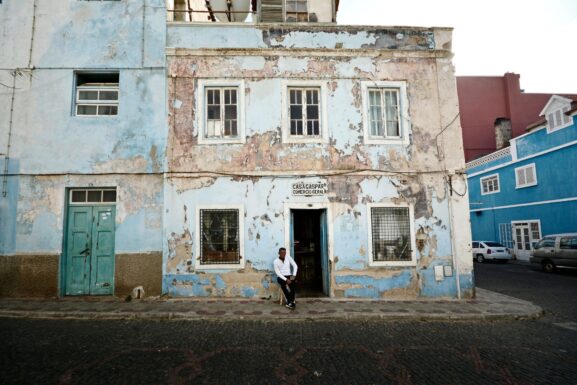
Located roughly 570 kilometers off the coast of West Africa, Cape Verde consists of ten volcanic islands known for their dramatic landscapes, from the flat salt plains of Sal to the towering peak of Pico do Fogo. Historically, the country was a strategic maritime crossroads. Today, it has become a crossroads of global talent. Despite being one of the least populous countries in Africa, the “Blue Sharks” (Tubarões Azuis) have consistently punched above their weight in the CAF (Confederation of African Football), but the 2026 World Cup qualification marks their arrival on the world’s grandest stage.
The journey to the 2026 FIFA World Cup represents the pinnacle of a steady ascent. Since achieving independence from Portugal in 1975, Cape Verde has transformed into one of Africa’s most stable representative democracies. This political stability has fostered a professional sports environment that allows local talent to flourish while maintaining deep ties with its massive global diaspora.
The Diaspora Factor: A Global Talent Pool
One of the unique secrets to Cape Verde’s footballing success lies in its history of emigration. During the 19th century, economic decline and persistent droughts led many Cape Verdeans to seek new lives abroad. Today, the diaspora—found predominantly in the United States, Portugal, the Netherlands, and France—considerably outnumbers the inhabitants living on the islands.
For the national team, this diaspora has been a goldmine. The 2026 squad is a melting pot of players who trace their ancestry to islands like Santiago and São Vicente but honed their skills in the elite academies of Europe. This blending of West African athleticism and European tactical discipline has created a team that is technically gifted and physically formidable.
Key Islands Powering the Team
- Santiago: Home to the capital, Praia, and the majority of the population, Santiago provides the heartbeat of the local football scene.
- São Vicente: The cultural capital, Mindelo, has long been a hub for creativity and sport, producing some of the nation’s most visionary players.
- Sal and Boa Vista: While these islands are tourism hotspots, their sandy terrains have raised players with exceptional balance and flair.
Overcoming Geographical Odds
Cape Verde’s achievement is particularly impressive given the country’s natural constraints. With only about two percent of its land being arable and a climate that ranges from arid to semi-arid, the development of lush, world-class football pitches is a constant challenge. Much of the archipelago’s rainfall comes from condensation of ocean mist rather than consistent storms, and the country is often on the frontlines of climate change, facing threats from rising sea levels.
However, the government’s commitment to progress has translated into sports infrastructure. Recognized by leaders like Barack Obama as a “real success story,” Cape Verde has utilized its service-oriented economy and foreign investment to build facilities that match its ambitions. The same spirit that led the country to become malaria-free in 2024 has been applied to the football pitch: a meticulous, health-conscious, and determined approach to national goals.
What This Means for Small Nations Everywhere
The 2026 World Cup debut of Cape Verde serves as a beacon of hope for other small nations. It proves that population size is not a ceiling for success. By leveraging a stable democracy, a passionate diaspora, and a clear national vision, the Republic of Cabo Verde has shown that even a “small” country can stand shoulder-to-shoulder with giants like Brazil, Germany, or Argentina.
Fast Facts About Cape Verde
- Official Language: Portuguese (though Cape Verdean Creole is the heart of daily life).
- Government: A stable semi-presidential republic, ranked as one of the most democratic in Africa.
- Sustainability: A leader in renewable energy, aiming for 50% renewable power by 2030.
- Climate: A Macaronesian paradise with temperatures averaging 22°C to 27°C, though prone to “Cape Verde-type” hurricanes that form near the islands.
Looking Ahead to 2026
As the Blue Sharks prepare for the 2026 tournament, the streets of Praia and Mindelo are already draped in the national colors of blue, white, and red. The world will soon see the spectacle of Cape Verdean football—a style defined by the same rhythm found in their famous morna music: soulful, rhythmic, and full of surprise.
For the fans traveling from the United States, Portugal, and the islands themselves, the 2026 World Cup isn’t just about winning games. It’s about the international recognition of a culture that has survived colonial struggles and volcanic eruptions to finally find its place in the sun. When the whistle blows for their first match, Cape Verde won’t just be playing for three points; they will be playing for the pride of an entire archipelago that refused to stay small.
Image: Pexels – Franco Monsalvo