Cape Verdean Morna: The History & Soul of National Music
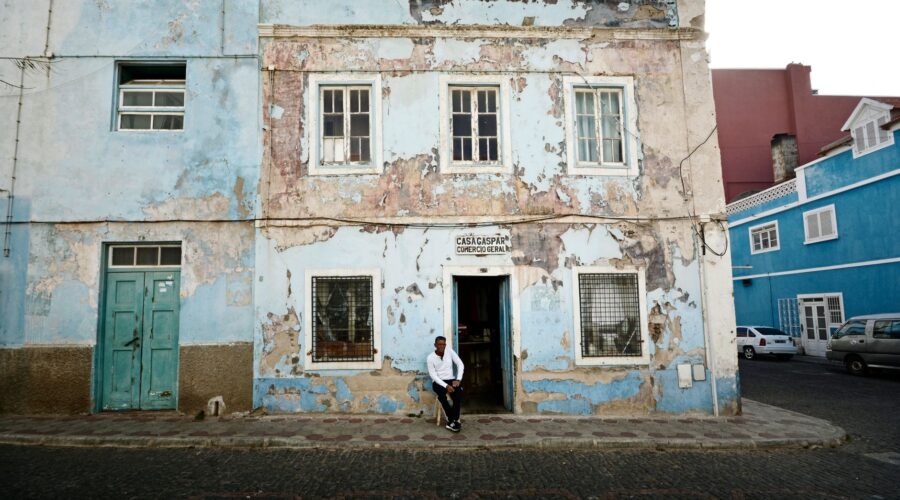
In the quiet, cobblestone streets of Mindelo and the misty highlands of Santo Antão, a sound echoes that defines the very soul of the Atlantic. It is the Morna, the national music of Cape Verde (Cabo Verde). Often described as the “blues” of the archipelago, Morna is more than just a musical genre; it is a vessel for the collective memory, struggles, and hopes of a people scattered across ten volcanic islands and a vast global diaspora.
The Heartbeat of the Archipelago
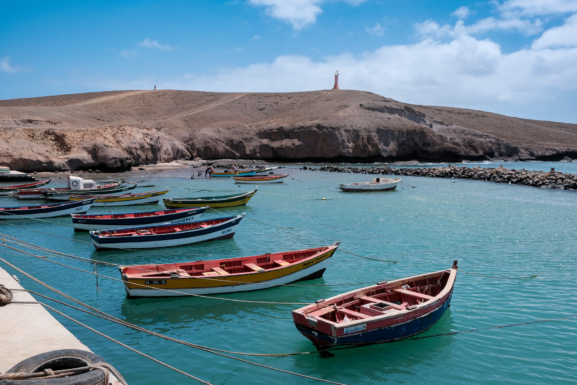
Cape Verde, a horseshoe-shaped cluster of islands located 570 kilometers off the coast of West Africa, is a land of dramatic contrasts. From the arid salt flats of Sal to the towering volcanic peak of Pico do Fogo, the geography is as varied as the history of its inhabitants. It is within this unique cultural crucible—a blend of West African heritage and Portuguese colonial influence—that Morna was born.
Morna is characterized by its slow, melancholic tempo and its use of minor keys. Traditionally performed with a violão (acoustic guitar), a cavaquinho (a small four-stringed instrument), and a violin, its rhythms are steady yet haunting. The lyrics are almost exclusively written in Cape Verdean Creole (Crioulo), the national language that bridges the linguistic gap between the islands’ African roots and their Portuguese history.
Sodade: The Defining Emotion
To understand Morna, one must understand the concept of Sodade (or Saudade in Portuguese). While often translated as “nostalgia” or “longing,” Sodade carries a deeper weight in the Cape Verdean context. It represents a profound sense of yearning for something or someone that is absent, often coupled with the knowledge that the object of longing may never return.
This emotion is rooted in the islands’ history. Following the decline of the transatlantic slave trade in the 19th century, Cape Verde suffered from persistent droughts and economic neglect. These hardships forced a significant portion of the population to emigrate in search of work in the United States, Portugal, and elsewhere in Europe. Today, the diaspora considerably outnumbers the inhabitants on the islands. Morna became the soundtrack of this displacement—a way for those who left to remember their home, and for those who stayed to mourn those who departed.
The Evolution of a Genre
While the exact origins of Morna are debated, many musicologists believe it evolved on the island of Boa Vista in the 18th century, originally featuring a faster tempo. However, it was on the island of São Vicente, particularly in the cosmopolitan port city of Mindelo, that the genre matured into the sophisticated, poetic form we recognize today.
Eugénio Tavares and B. Léza
Two figures stand as titans in the history of Morna. Eugénio Tavares, from the island of Brava, is often credited with elevating the genre’s lyrics to high poetry in the late 19th and early 20th centuries. His compositions turned Morna into a literary expression of love and social critique.
Later, B. Léza (Francisco Xavier da Cruz) introduced the “passing chords” (semi-tones) that gave Morna its distinct, jazz-like harmonic complexity. His influence ensured that the music would continue to evolve, blending traditional island sounds with broader Atlantic musical movements.
Cesária Évora: The Barefoot Diva
No discussion of Morna is complete without Cesária Évora. Born in Mindelo in 1941, Évora spent decades singing in the bars of São Vicente before achieving international stardom in her late 40s. Known as the “Barefoot Diva” because she performed without shoes as a sign of solidarity with the poor, she brought the Morna to the world’s greatest stages, from Paris to New York.
Évora’s voice—gravelly, emotive, and effortless—became the international symbol of Cape Verde. Her 1992 hit “Sodade” remains the definitive anthem of the genre, capturing the bittersweet reality of the “long road to São Tomé” that many Cape Verdeans traveled as contract laborers. Through her, the world learned that even in a small, resource-poor archipelago, there existed a musical tradition of immense depth and beauty.
A Cultural Legacy Recognized
The significance of Morna extends beyond entertainment. In 2019, UNESCO officially inscribed Morna on the Representative List of the Intangible Cultural Heritage of Humanity. This recognition solidified its status not just as Cape Verdean music, but as a treasure of global culture.
Today, a new generation of artists like Mayra Andrade, Lura, and Nancy Vieira continue to breathe life into the genre. While they often experiment with modern arrangements and fusions with jazz or pop, the core of Morna—the lament of the violin and the deep-seated Sodade—remains unchanged.
Where to Experience Morna Today
For those visiting the islands, there is no better place to experience Morna than its spiritual home, Mindelo. The city’s live music venues and “quintais” (backyards) offer nightly performances where locals and visitors alike gather to listen in respectful silence. In the capital city of Praia on Santiago, the music takes on a slightly different flavor, often influenced by the more percussive Funaná and Batuque rhythms, but the Morna remains the foundational soul of the night.
Practical Information for Travelers
- Language: While Portuguese is the official language, learning a few phrases in Cape Verdean Creole will deepen your connection to the music and the people.
- Best Time to Visit: The islands enjoy a mild climate year-round, with average temperatures between 22°C and 27°C. However, the Baia das Gatas Music Festival in August (São Vicente) is a highlight for music lovers.
- Currency: The Cape Verdean Escudo is pegged to the Euro, making transactions straightforward for European travelers.
Cape Verdean Morna is a reminder that beauty often emerges from hardship. It is a genre born of isolation, drought, and departure, yet it resonates with a universal human truth: that no matter how far we wander, the songs of our home always call us back.
Image: Pexels – damien Saillet