London Protests Call for Release of Domingos Simões Pereira
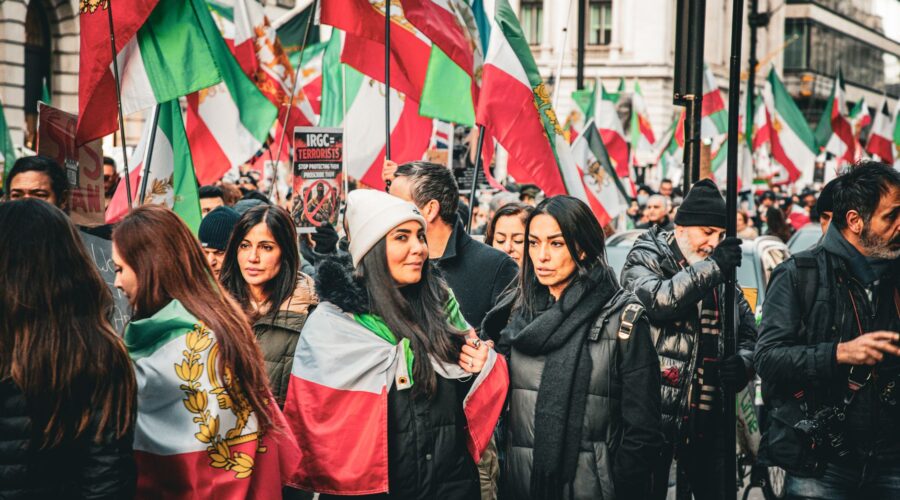
The Guinea-Bissau diaspora in the United Kingdom is launching a series of high-profile protests across London this week, aiming to force international attention on the detention of opposition leader Domingos Simões Pereira and the deepening political crisis in the West African nation.
Targeting Diplomatic Missions
Activists have scheduled the first demonstration for Friday outside the Embassy of Sierra Leone. The location is strategic; Sierra Leone currently holds the rotating presidency of the Economic Community of West African States (ECOWAS) and is set to host a regional summit this Sunday.
Organizers have also planned rallies outside the Embassy of Senegal, which leads the ECOWAS Commission, and at 10 Downing Street, the official residence of British Prime Minister Keir Starmer. According to event organizer Isaura Ferreira Dias, protesters intend to deliver formal letters of grievance to authorities at each site.
“The idea is to hold demonstrations every week if nothing changes,” Dias told the Lusa news agency. “It seems the world has forgotten Guinea-Bissau—even the Community of Portuguese Language Countries (CPLP).”
Fear at Home, Fervor Abroad
While the movement enjoys strong support from the Guinean diaspora and the African Party for the Independence of Guinea and Cape Verde (PAIGC), Dias noted a marked contrast with the situation on the ground in Bissau. She lamented the lack of domestic mobilization, stating that “people are afraid” of violent repression under the current regime.
Domingos Simões Pereira, the president of the PAIGC, has been held in the cells of the Public Order Police’s Second Police Station in Bissau since last Friday. His transfer to the station follows a period of house arrest and months of legal limbo.
A Disputed Coup and Legal Battles
The political turmoil traces back to the general elections on November 23. While Pereira and his party backed Fernando Dias da Costa—who claimed a first-round victory over incumbent Umaro Sissoco Embaló—the military seized power before official results could be certified. Embaló was deposed, and Pereira was promptly arrested.
In June, judicial authorities labeled Pereira a suspect in an alleged coup attempt that reportedly took place a month before the elections. However, Pereira’s legal team has dismissed the charges as blatant “political persecution.” The opposition further alleges that the military takeover was a fabrication orchestrated by the former president to maintain control over the country.
The military high command currently governing Guinea-Bissau has scheduled new elections for December 6. However, they are also pushing forward a controversial new Constitution that would grant significantly more power to the head of state, with a referendum set for August 30.
Image: Pexels – Tony Zohari