500-Year-Old Pioneer Hospital Uncovered in Cape Verde
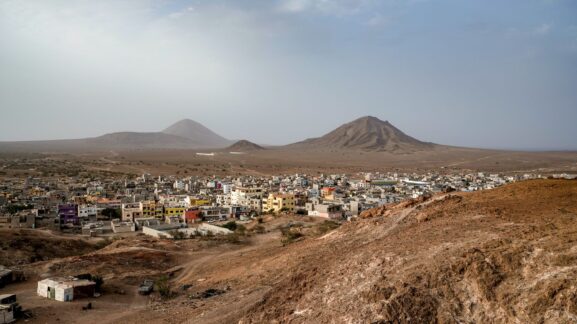
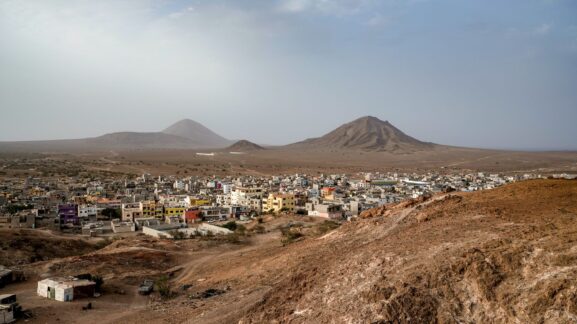
Archaeologists working on a rocky hillside in Cidade Velha, Cape Verde, have unearthed the ruins of a 500-year-old hospital, marking one of the earliest examples of colonial healthcare in the Atlantic. The discovery, located in what was the first capital of the archipelago, offers a rare window into “experiments” in social assistance during the early days of Portuguese global expansion.
A Pioneer of the Atlantic
The site, part of the Santa Casa da Misericórdia complex, appears in historical records dating back to the late 15th century—barely 40 years after the islands were first reached by Portuguese explorers in 1460. André Teixeira, an archaeologist from the Universidade Nova de Lisboa, explains that as the Portuguese routes expanded, the need for medical infrastructure became immediate.
“Cape Verde was, in many ways, a space for experimentation,” says Teixeira, who is collaborating with the Cape Verdean Cultural Heritage Institute (IPC). “This hospital is one of those early experiments.”
Unearthing Daily Life
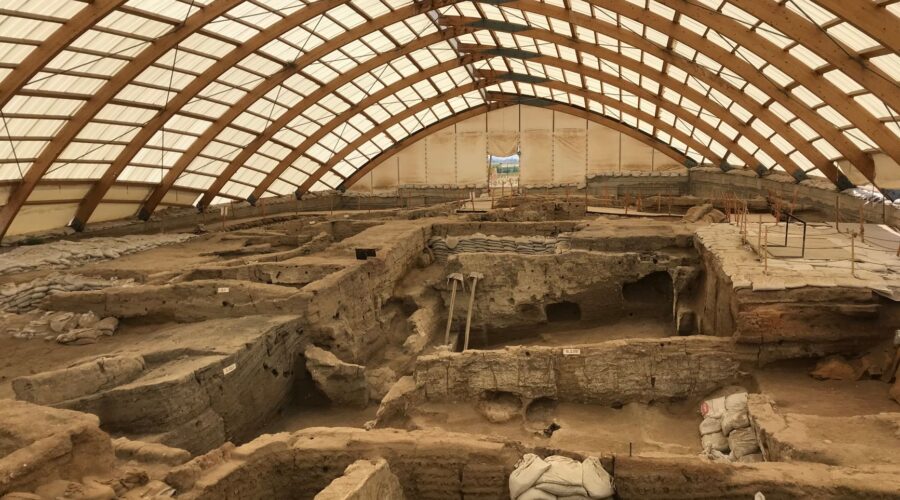
Excavations over the last 18 months have transformed the site from “the tip of an iceberg” into a monumental discovery. What began as two small visible wall fragments has evolved into a vast complex. Using brushes and trowels, the team has recovered artifacts that paint a vivid picture of 16th-century hospital life.
Among the finds are fragments of clay pipes, likely used to administer smoke for pain relief, and local ceramic pots found alongside chicken bones near what may have been a ground-floor kitchen or dining hall. The original structure likely featured patient wards on the upper floor, while the ground floor managed the logistics of care and nourishment.
A Dual Mission of Faith and Healing
The hospital was inextricably linked to the Church of the Misericórdia. While only the bell tower originally remained above ground, excavations have now revealed the church’s central nave and side chapels, some still adorned with painted tiles. For over a century, this site served as the See (cathedral) of Cape Verde while the permanent cathedral was under construction uphill.
“There is a large, central religious presence, as was tradition,” Teixeira notes. “The church in communication with the hospital evokes the dual function of the ‘Misericórdias’: social assistance and healthcare.”
Future as a Cultural Landmark
The discovery has prompted local authorities to redesign urban rehabilitation plans for the area, which is classified as a UNESCO World Heritage site. Funded by the World Bank, the ruins will be transformed into Cidade Velha’s first on-site museum.
Jaylson Monteiro, an archaeologist with the IPC, says the final project will include protective structures to shield the delicate ruins from the elements while providing a new highlight for the country’s growing tourism industry. The site was abandoned in the 19th century when the capital was moved to Praia, eventually becoming buried under centuries of soil—until now.
Image: Pexels – İamucex