The Whispering Walls: Santiago’s Street Art Evolution
In the vibrant heart of the mid-Atlantic, the island of Santiago serves as the cultural lung of Cape Verde. While the archipelago is world-renowned for the soulful melodies of morna and the rhythmic drive of funaná, a silent revolution has been unfolding across the concrete canvases of its capital, Praia, and the rural interior. These are the “whispering walls”—an explosion of muralism and street art that has transformed Santiago into one of West Africa’s most compelling open-air galleries.
The Origins: From Political Slogans to the ‘Pintado’
The history of street art in Cape Verde is inextricably linked to the nation’s political journey. Following independence from Portugal in 1975, walls were primarily used as functional spaces for revolutionary slogans, social mobilization, and political campaigning. However, as the young democracy matured, the aesthetic of the street began to shift.
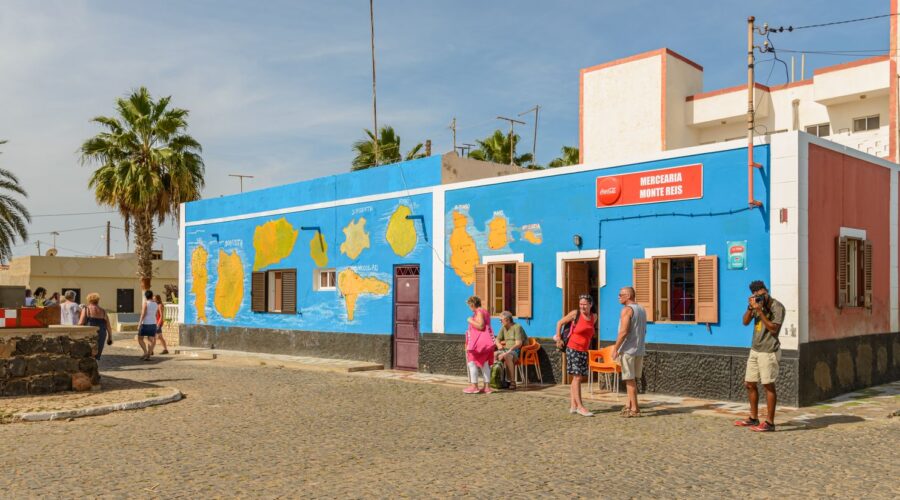
The term Pintado (meaning “painted” in Portuguese) refers to a specific movement that began to gain traction in the late 1990s and early 2000s. It wasn’t just about graffiti or tagging; it was about reclaiming the visual identity of the islands. Local artists recognized that the stark, unpainted concrete of many urban housing projects represented a lack of visibility for the common person. By applying vibrant colors and depictions of daily life—the fishmongers of Platô, the elderly men playing uril, and the resilient faces of the rebordados—artists began to “paint the soul” back into the architecture.
Praia: The Epicenter of the Urban Canvas
In the capital city of Praia, the evolution of street art is most visible in neighborhoods like Achada Santo António, Terra Branca, and the historic center, Platô. What started as clandestine painting has evolved into organized festivals and community-driven projects. The city has embraced the idea that street art is not vandalism, but an essential tool for urban regeneration.
The 7Sóis 7Luas Influence
A significant turning point for Santiago’s street art scene was the involvement of the 7Sóis 7Luas (Seven Suns Seven Moons) Mediterranean Cultural Network. This international project invited street artists from Europe and other parts of the world to collaborate with Cabo Verdean creators. This exchange of techniques—ranging from stencil work and wheat-pasting to massive photorealistic murals—elevated the local scene to an international standard.
The Mural of Solidarity and Identity
If you walk through the streets of Praia today, you will encounter the works of artists like Tutubeba and Vanda. Their work often focuses on the “Cabo-verdianidade”—the essence of being Cape Verdean. Using bold colors and traditional patterns, their murals often pay homage to the “Africanity” of Santiago, reflecting the island’s strong ties to the mainland through dress (the pano di terra) and cultural motifs.
The Interior: Painting the Rural Narrative
The movement isn’t confined to the capital. Traveling north into the mountainous interior of Santiago, the murals take on a different tone. In towns like Assomada and small villages nestled in the green valleys, street art serves as a bridge between tradition and modernity.
In these rural settings, murals often depict the struggle against drought, the importance of the sea, and the legendary figures of local folklore. It is not uncommon to see a three-story wall showcasing a larger-than-life portrait of a local musicianized hero or a tribute to the Rabelados—the community that historically resisted colonial cultural imposition. These paintings act as “whispering walls” that narrate the history of the land to the younger generation who may be increasingly disconnected from their roots.
The Cultural Significance: Why These Murals Matter
The street art of Santiago serves three vital functions in Cape Verdean society:
- Social Commentary: Murals frequently address pressing issues such as water scarcity, environmental protection, and women’s empowerment. By placing these messages in public spaces, artists force a dialogue that might not happen in traditional media.
- Democratization of Art: In a country where formal art galleries can be seen as elitist or inaccessible to the working class, the street art movement brings beauty and intellectual stimulation to the doorstep of every citizen.
- Economic Potential: “Mural Tourism” is a burgeoning field. Travelers are increasingly seeking out the street art tours of Praia, which leads to economic boosts for local neighborhoods and small businesses away from the main tourist hubs.
Materials and Techniques: Adapting to the Atlantic Breeze
Painting on an island comes with unique challenges. The harsh salt air of the Atlantic and the intense tropical sun can bleach colors within months. Local artists have become experts at mixing pigments and using specific sealants to ensure their legacies endure. This technical adaptation is part of what makes Cape Verdean street art unique—it is a constant battle between human expression and the raw elements of nature.
How to Experience the Whispering Walls
For visitors wishing to explore the evolution of street art in Santiago, here is a suggested itinerary:
1. The Plateau (Platô), Praia
Start in the historic center. While the architecture here is colonial, many of the side streets and interior courtyards feature intricate murals that contrast the old world with the new Cape Verdean identity.
2. Achada Grande Frente
Located near the airport, this neighborhood has been transformed by community-led painting projects. Huge murals of local icons greet travelers, signaling immediately that they have entered a land of artistic depth.
3. The Assomada Market
In the heart of the island, the walls surrounding the bustling market of Assomada are often adorned with depictions of local life, making the shopping experience a visual feast as much as a sensory one.
The Future: A Digital and Physical Hybrid
As Cape Verde positions itself as a digital hub in mid-Atlantic, the street art scene is also evolving. Newer artists are incorporating QR codes into their murals, which, when scanned, play the music of the person depicted or provide a narrated history of the neighborhood in multiple languages. The “whispering walls” are literally beginning to talk.
Conclusion: The Enduring Voice of Santiago
The murals of Santiago are more than just paint on stone; they are a visual manifestation of the Cape Verdean spirit—resilient, colorful, and deeply connected to both its African heritage and its Atlantic reality. To walk past these walls is to read the diary of a nation that refuses to be silent. Whether it is a small stencil in a Praia alleyway or a towering mural in the highlands, the street art of Santiago remains one of the most honest and vibrant ways to understand the heart of Cape Verde.
Image: Pexels – Petr Ganaj