Portugal Leads as Cape Verde’s Top Trading Partner in 2026
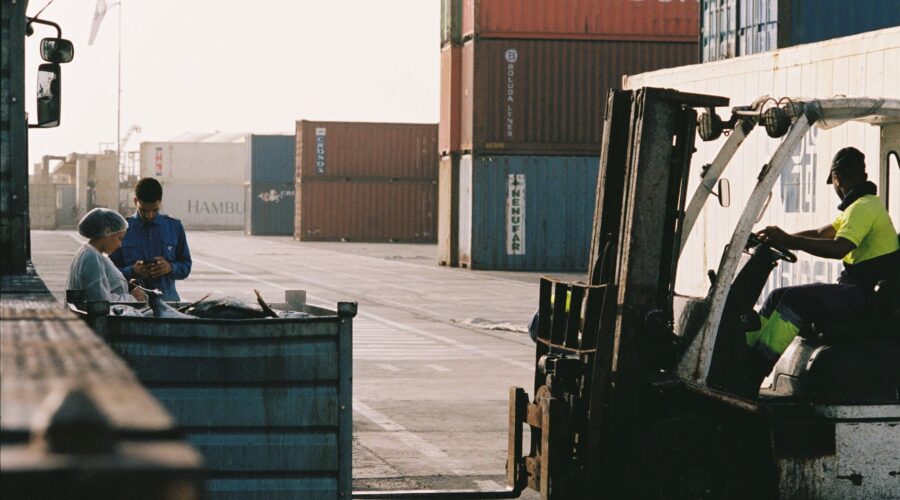
Portugal has solidified its standing as Cape Verde’s leading trading partner, accounting for nearly half of all goods imported by the archipelago during the first quarter of 2026. New data reveals that despite a minor dip in Cape Verde’s overall global imports, the economic bond between the two nations continues to tighten.
Portugal Dominates the Market
According to the latest figures from the Bank of Cape Verde (BCV), imports from Portugal surged by 12.1% compared to the same period in 2025. Totaling 12,597.3 million escudos (€114.2 million), Portuguese goods now represent a commanding share of the Cape Verdean market.
This growth is part of a broader trend involving the Eurozone, which remains Cape Verde’s most significant regional supplier. The Eurozone provided 68.1% of all imported goods, valued at 17,270.6 million escudos (€156.6 million)—a 4.7% increase year-on-year. Within this group, Spain emerged as the second-largest supplier, recording a significant 32.6% jump in exports to Cape Verde, totaling 2,843.5 million escudos (€25.7 million).
Shifting Regional Dynamics
While European ties strengthened, trade with other regions showed mixed results:
- West Africa (ECOWAS): Imports rose sharply by 43.1% to 1,326.5 million escudos (€12 million). The surge was largely driven by a spike in trade with Togo, which nearly doubled its exports to the archipelago.
- The Americas: Trade with major Western Hemisphere partners faltered. Imports from Brazil declined by 21.5%, while imports from the United States saw a dramatic collapse, falling 53.6% to just 211.6 million escudos (€1.9 million).
Stable Overall Import Levels
Despite these fluctuations between partners, Cape Verde’s total volume of imported goods remained remarkably stable. Overall imports saw a marginal year-on-year decline of 0.4%, totaling 25,356.7 million escudos (€230 million).
Financial analysts at the BCV noted that a decrease in the cost and volume of fuel imports effectively offset the increased demand for intermediate and capital goods, keeping the nation’s trade balance steady as it navigated the first quarter of the year.
Image: Pexels – Carlo Jünemann