The Pillow Lavas of Maio: Cape Verde’s Ancient Heart
Deep within the central Atlantic, nestled among the ten volcanic jewels of the Cape Verde (Cabo Verde) archipelago, lies a geological secret that predates the islands’ human history by millions of years. While most visitors flock to the archipelago for the vibrant music of Mindelo or the towering peaks of Fogo, geologists and nature enthusiasts are drawn to the quiet, sun-drenched island of Maio. Here, one can walk upon the Pillow Lavas of Maio—the oldest exposed rocks in all of Cape Verde, offering a rare window into the birth of the Atlantic Ocean.
Ground Zero of Cape Verdean Geology
Cape Verde is a “hotspot” archipelago, formed by volcanic activity as the African tectonic plate moved over a persistent mantle plume. While much of the archipelago was formed during the Eocene epoch (approximately 40–50 million years ago), the island of Maio holds a much older record. The pillow lavas found here, along with similar outcrops on the northern peninsula of Santiago, are approximately 128 to 131 million years old.
To put this in perspective, these rocks date back to the Early Cretaceous period. When these lavas were cooling in the depths of the ocean, dinosaurs still roamed the supercontinents, and the Atlantic Ocean was a relatively narrow, growing rift. Unlike the younger, towering volcanic cones of Fogo, the rocks of Maio represent the deep-sea foundation upon which the islands were eventually built.
What Exactly Are Pillow Lavas?
The term “pillow lava” sounds soft, but the reality is a story of violent elemental conflict. These structures form exclusively underwater. When molten basaltic magma erupts from a fissure on the seafloor, it encounters the freezing, high-pressure water of the deep Atlantic. The exterior of the lava flash-freezes into a glassy skin, creating a round, bulbous shape similar to a pillow or a tube.
As more magma is pumped into the “pillow,” it expands until the skin cracks, allowing a new lobe of lava to squeeze out and form another pillow on top. Over time, these stack up like a pile of giant, stony sandbags. The presence of these formations on the dry land of Maio is a profound geological indicator: it means that what was once the dark, crushing depths of the ocean floor has been uplifted thousands of meters by tectonic forces to sit under the African sun.
A Journey Through Time on Maio
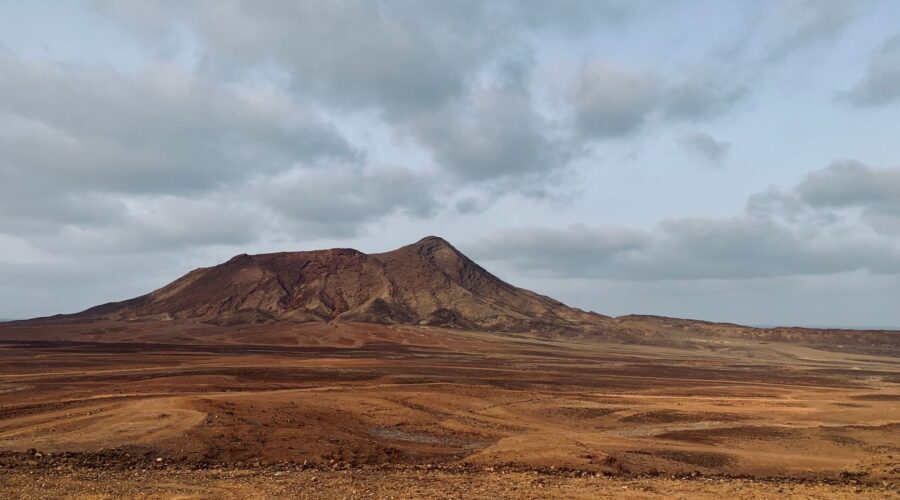
Maio is one of the “Sotavento” (leeward) islands, characterized by its flat, arid terrain and extensive salt flats. This landscape is a stark contrast to the lush, mountainous “Barlavento” islands like Santo Antão. Because Maio is older and has been subjected to millions of years of erosion, its volcanic peaks have weathered away, exposing the ancient basement rocks that remain hidden beneath younger lava flows on other islands.
Exploring the pillow lava formations on Maio feels like a journey through a prehistoric museum. The rocks are often dark, dense basalt, showing the distinct “bread-crust” textures and radial fractures typical of rapid cooling. For researchers, these rocks are a goldmine for understanding the Cape Verde Rise, a massive bathymetric swell that makes the archipelago one of the largest oceanic protuberances in the world.
The Cultural and Natural Backdrop
While the pillow lavas are a scientific marvel, the island of Maio itself offers a serene, authentic Cape Verdean experience. Known for its tranquility, Maio has a population that is famously hospitable, reflecting the country’s unique heritage—a blend of West African populations and early Portuguese settlers. The island was long a center for salt production, a history written into the landscape alongside its ancient rocks.
Visitors to the island can enjoy:
- Vila do Maio: The charming capital (also known as Porto Inglês) with its colonial architecture and peaceful atmosphere.
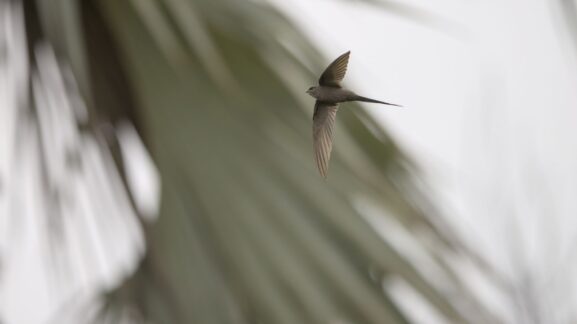
- Endemic Wildlife: While on the hunt for geological sites, keep an eye out for Cape Verde’s unique biodiversity. The islands are home to endemic species like the Iago sparrow and the Cape Verde giant gecko.
- Pristine Beaches: Maio boasts some of the most untouched white-sand beaches in the Atlantic, often frequented by nesting sea turtles.
Conservation and the Future
Cape Verde is a nation on the frontlines of the climate crisis. As a “Success Story” in Africa (as noted by international leaders like Barack Obama), the country has prioritized environmental protection. In 2023, Cape Verde engaged in a historic “debt-for-nature” swap with Portugal, investing in environmental projects in exchange for debt forgiveness. Protecting geological sites like the Maio pillow lavas is part of a broader commitment to preserving the archipelago’s unique natural heritage.
For the eco-conscious traveler, Maio offers a “slow tourism” alternative to the more developed islands of Sal and Boa Vista. It is a place where you can touch the very foundation of the Earth’s crust while supporting a nation that is a leader in renewable energy and democratic stability.
Practical Information for Visitors
If you plan to visit the pillow lavas of Maio, here are a few tips:
- How to get there: Most international flights land in Praia (Santiago) or Sal. From Praia, you can take a short domestic flight or a ferry to Maio.
- When to go: The climate is mild year-round, but the best time is between November and June. The “rainy” season (August–October) is brief but can bring sudden heavy downpours.
- What to bring: Sturdy hiking boots are essential for traversing the rocky outcrops. A local guide is highly recommended to help locate the best-exposed pillow lava formations and to share the island’s folklore.
Conclusion
The pillow lavas of Maio are more than just rocks; they are the silent witnesses to the birth of an archipelago and the shifting of continents. They remind us that Cape Verde is not just a destination of beaches and “Morna” music, but a place of profound geological significance. By visiting Maio, you aren’t just seeing an island—you are standing on the 130-million-year-old bedrock of the Atlantic itself.
Image: Pexels – Bibi Kiekens