The Chef Serving Cape Verde’s Finest Cachupa in Lisbon
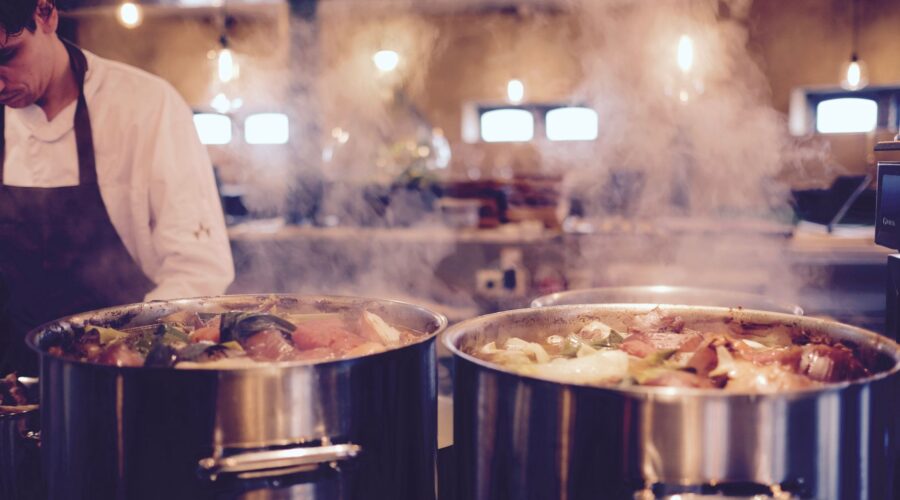
In the heart of Lisbon’s Cova da Moura neighborhood, Maria Patriarca stands over a steaming pot large enough to feed 300 people. She doesn’t use measuring cups or elaborate recipes; instead, the 70-year-old chef cooks by “eye” and intuition, a skill honed over decades of perfecting Cape Verde’s national dish: cachupa.
As the heart and soul of O Coqueiro, Patriarca has transformed her restaurant into a diplomatic and culinary landmark. Her cooking is so renowned that it has attracted heads of state, including Portuguese President Marcelo Rebelo de Sousa and Cape Verdean Presidents José Maria Neves and Jorge Carlos Fonseca. Their photographs now adorn the walls, serving as a testament to the kitchen’s reach.
A State-Level Secret in Cova da Moura
While Patriarca serves a variety of Portuguese and African dishes, it is her cachupa—a rich, slow-cooked stew of corn, beans, cassava, sweet potatoes, and various meats—that remains the primary draw. Ironically, she notes that Cape Verdeans often opt for fish or grilled meats, leaving the traditional corn-based dishes to the eager Portuguese locals and international tourists who now flock to the neighborhood specifically for her flavors.
“The President (Marcelo Rebelo de Sousa) loves the cachupa and the tuna steak,” Patriarca says, noting that his frequent visits provided a significant boost to the restaurant’s profile. Beyond the stew, the menu offers a “taste of the land of morna,” featuring tuna steak drenched in onion sauce, served alongside fried bananas and sweet potatoes.
Tradition Poured from a Giant Pot
The authenticity of the food is anchored by the neighborhood itself. Patriarca doesn’t have to look far for ingredients; street vendors in Cova da Moura provide the essential stone beans, white beans, and pigeon peas (feijão-congo) that form the backbone of Cape Verdean cuisine. To wash it down, the restaurant serves grogue—the potent Cape Verdean spirit—and sweet honey punch.
The restaurant’s name, O Coqueiro (The Coconut Tree), isn’t a reference to the plant but rather the nickname of Maria’s husband, António. Together, they have built a community hub where Maria is greeted like a local hero every time she steps out the door.
Passing the Torch
Life at O Coqueiro has slowed down slightly from the days when live music kept the doors open until the early hours of the morning. While the stage is currently quiet, the kitchen remains a whirlwind of activity. Patriarca admitted to Lusa that she doesn’t eat her meals until the afternoon rush subsides, usually around tea time.
Though she occasionally thinks about “hanging up her apron,” the 70-year-old chef isn’t in a hurry. She finds peace knowing that her family is ready to step in when the time comes, ensuring that the giant pot of cachupa—and the legacy of Santo Antão—continues to simmer for years to come.
Image: Pexels – Timur Saglambilek