Cape Verde’s Role in the Lusophone Commonwealth (CPLP)
In the middle of the Atlantic Ocean, where African heritage meets European history, lies the archipelago of Cape Verde (officially Cabo Verde). While small in landmass and population, this ten-island nation punch far above its weight on the global stage, particularly through its leadership in the Community of Portuguese Language Countries (Comunidade dos Países de Língua Portuguesa, or CPLP). Often referred to as the “Lusophone Commonwealth,” this organization represents a multi-continental alliance of nations unified by the Portuguese language.
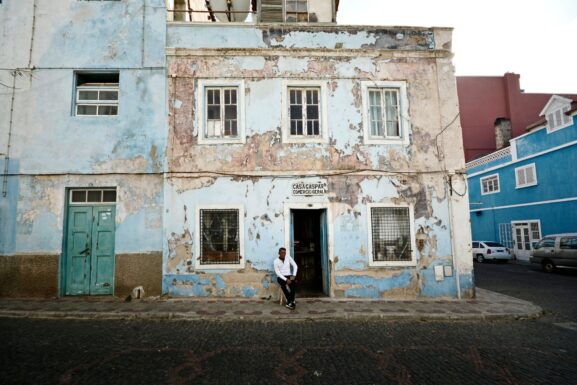
For Cape Verde, the CPLP is not just a diplomatic forum; it is a cornerstone of its national identity and a strategic tool for economic and political development. From the cobblestone streets of Cidade Velha—the first European settlement in the tropics—to the modern diplomatic halls of Praia, Cape Verde’s role within the Lusophone world is a testament to its unique history as a bridge between continents.
The Foundations of Lusophony in Cape Verde
To understand Cape Verde’s role in the CPLP, one must look at its origins. Uninhabited until the 15th century, the islands were discovered by Portuguese and Genoese navigators around 1456. The subsequent settlement created a unique society. Unlike many other nations where colonial languages were imposed on existing populations, Cape Verdean society was forged through the meeting of Portuguese settlers and West African populations.
While Portuguese is the official language used in administration, education, and international relations, the heart of the people beats in Cape Verdean Creole (Kabuverdianu). This linguist duality makes Cape Verde a fascinating member of the CPLP. It acts as a guardian of the Portuguese language in the Mid-Atlantic while developing a rich, creolized culture that exports Lusophone influence through music (like the world-famous Morna) and literature.
A Strategic Bridge Between Continents
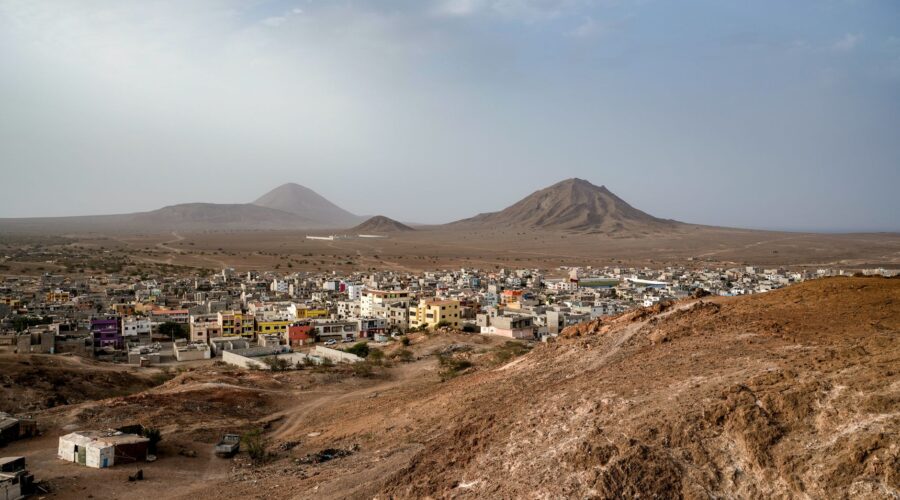
Cape Verde’s geography has always been its greatest asset. Located approximately 570 kilometers off the coast of Senegal, the archipelago sits at the crossroads of Africa, Europe, and the Americas. Within the CPLP, Cape Verde leverages this position to serve as a “mid-Atlantic hub.”
Diplomatic Leadership
Cape Verde was a founding member of the CPLP in 1996 and has since been one of its most active participants. The country is frequently cited by international observers, including former U.S. President Barack Obama, as a “success story” for its stable representative democracy. Within the Lusophone Commonwealth, Cape Verde often acts as a mediator and a model for good governance, helping to strengthen democratic institutions across member states like Guinea-Bissau or Timor-Leste.
The Diaspora Connection
One of the most significant ways Cape Verde influences the Lusophone world is through its massive diaspora. There are more Cape Verdeans living abroad—primarily in Portugal and the United States—than on the islands themselves. This global network ensures that Cape Verdean culture and the Portuguese language remain vibrant and interconnected across the globe, reinforcing the “commonwealth” aspect of the CPLP.
Economic Synergy and the ‘Blue Economy’
Lacking significant natural resources like oil or minerals, Cape Verde has turned toward a service-oriented economy, with a heavy focus on tourism and foreign investment. The CPLP provides a vital framework for these economic ambitions.
Through the CPLP, Cape Verde enjoys privileged economic relations with giants like Brazil and Angola. Furthermore, the country’s special partnership with the European Union (EU) is bolstered by its ties to Portugal. A notable recent example of this synergy occurred in 2023, when Portugal agreed to forgive €140 million of Cape Verde’s debt in exchange for the country investing in environmental projects—a pioneering “debt-for-nature swap” that has set a precedent for other Lusophone and African nations.
Cape Verde also leads the CPLP in discussions regarding the Blue Economy. With a vast Exclusive Economic Zone (EEZ) in the Atlantic, the islands are at the forefront of sustainable fishing, maritime security, and ocean conservation—topics that are increasingly central to the CPLP’s agenda.
Cultural Diplomacy: The Power of Morna
In the CPLP, “soft power” is just as important as political treaties. Cape Verdean culture is a dominant force within the Lusophone world. The soulful sounds of the Morna, popularized globally by Cesária Évora, have become a symbol of the “Saudade” (a unique Portuguese expression of longing) that unites Portuguese-speaking nations.
By hosting CPLP cultural summits and promoting academic exchanges through the International Portuguese Language Institute (IILP), headquartered in Praia, Cape Verde ensures that the Portuguese language remains a living, evolving tool for cooperation rather than just a relic of a colonial past.
Challenges and Future Prospects
Despite its successes, Cape Verde faces challenges within the Lusophone Commonwealth. The geographical distance between member states—stretching from Brazil to East Timor—can make physical integration difficult. Furthermore, Cape Verde’s push for increased mobility (visa-free travel) for citizens within the CPLP has met with various regulatory hurdles in European member states like Portugal due to Schengen Area constraints.
However, the future looks promising. Cape Verde is a leader in renewable energy in sub-Saharan Africa, aiming for 50% renewable energy by 2030. As the world shifts toward green energy and sustainable development, Cape Verde is positioning itself as the CPLP’s “Green Laboratory,” showing how small island nations can lead through innovation and diplomacy.
Conclusion
Cape Verde’s role in the Community of Portuguese Language Countries is a reflection of its history: resilient, migratory, and deeply interconnected. As a stable democracy in a complex region, the Republic of Cabo Verde continues to be the glue that binds the Lusophone world together across the Atlantic. By balancing its African roots with its Portuguese heritage, it provides a unique and essential voice in the global Lusophone Commonwealth, proving that the strength of a nation is not measured by its size, but by its reach.
Image: Pexels – Nico Marín