UN Official Urges Empires to Apologize for Colonial Past
A high-ranking United Nations official has issued a powerful call for former colonial powers to formally apologize for their “black past,” arguing that true global cooperation cannot exist without an honest reckoning with the history of slavery and conquest.
A Call for Forgiveness and Reconstruction
UN Under-Secretary-General Miguel Ángel Moratinos made the remarks during the International Meeting on Atlantic Creoleness in Praia, Cape Verde. He emphasized that the era of Western dominance through colonization must be addressed through public acts of contrition to allow for a future free from historical resentment.
“We live in another world, in another moment in history,” Moratinos told Lusa news agency. “The time has come for this colonial past—this world that enslaved and conquered—to ask for forgiveness, express its apologies for its behavior, and start a new stage.”
Moratinos, who also serves as the High Representative for the UN Alliance of Civilizations (UNAOC) and is a former Spanish Foreign Minister, warned that failing to recognize the past creates a barrier to progress. While new diplomatic or economic ties may form, he cautioned that “bitterness and frustration will always remain” if the underlying historical damage is ignored.
Cape Verde: A Model for the Future
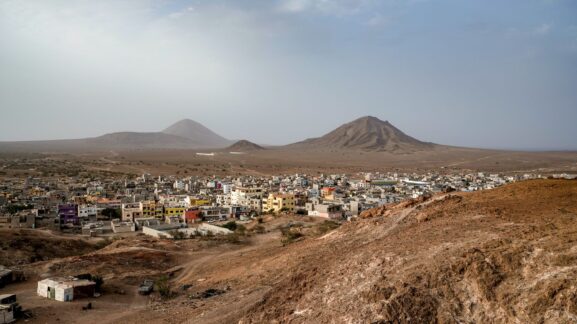
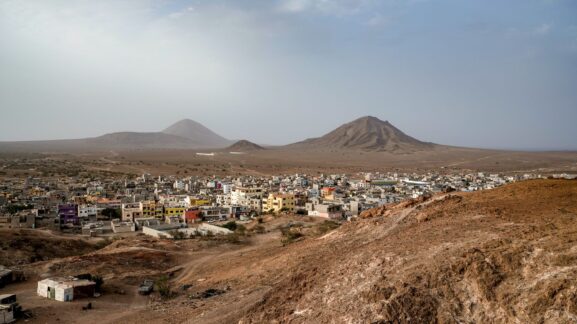
Speaking in the Cape Verdean capital, Moratinos praised the host nation as a “reference” for peaceful coexistence. He described Cape Verde as a unique crossroads of cultures, religions, and identities, calling the concept of Atlantic Creoleness a testament to the human capacity for transformation and survival.
He further highlighted the role of African youth in shaping a more equitable world. Moratinos suggested that the next generation of Africans is uniquely positioned to teach Western civilizations how to avoid “the mistakes of the past” by leveraging their rich cultural and identity heritage to commit to a different kind of future.
Building Human-Centric Bridges
Echoing the call for closer cooperation, Fátima Jardim, Executive Secretary of the Community of Portuguese Language Countries (CPLP), stressed that cultural values must be the foundation of international policy. She noted that Cape Verde serves as a vital bridge between nations, advocating for a global vision that prioritizes people over mere economic agendas.
Jardim also underlined the necessity of youth engagement and the preservation of natural resources as fundamental pillars for building fairer, more sustainable societies.
The International Meeting on Atlantic Creoleness concludes Saturday, brought together a diverse group of political leaders and academics to explore how historical identities can influence contemporary global stability.
Image: Pexels – damien Saillet