Guinea-Bissau: PAIGC Party Leadership Crisis and Military Ban
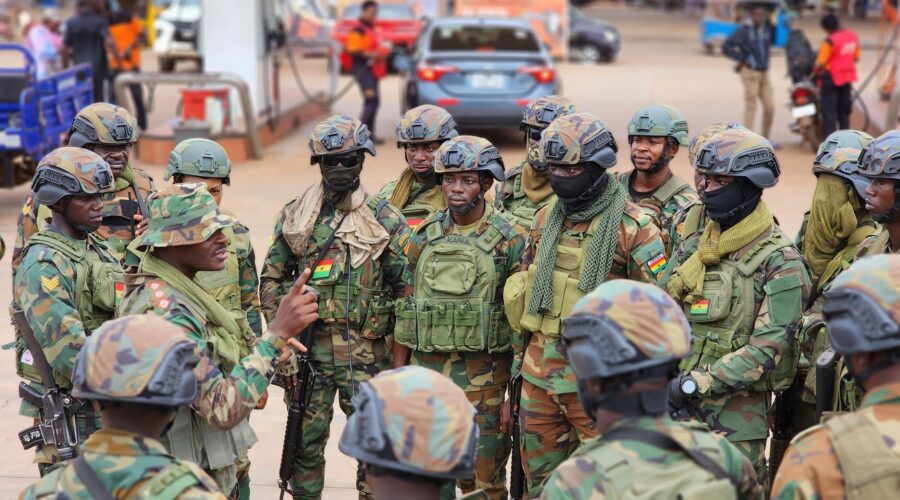
LISBON – Guinea-Bissau’s historic liberation party, the PAIGC, is facing an existential crisis as a military-imposed ban on political activity fuels a bitter internal leadership struggle. Six months after the November 26, 2025, coup d’état, the nation’s political landscape remains frozen, with party headquarters shuttered and major players silenced by the junta.
Headquarters Under Lock and Key
The African Party for the Independence of Guinea and Cape Verde (PAIGC) confirmed to Lusa that its central offices, located just steps from the presidential palace in Bissau, remain under military occupation. Party leaders report that heavily armed men forced an evacuation days after the coup and have barred entry ever since.
The restrictions are forcing the PAIGC to move its 70th-anniversary celebrations—originally set for September 19—to Portugal and Senegal. Officials warn that the party’s 11th ordinary congress, scheduled for later this year, may have to be held entirely online if the Military High Command does not lift the blockade.
“We hope common sense prevails,” said a member of the PAIGC Central Committee. “We are calling on our comrades currently serving in the military-led transition government to demand the reopening of our headquarters.”
A Party Divided
The military pressure has exposed deep fractures within the PAIGC. A breakaway faction, calling itself the “Reflection Group for the Salvation and Renovation of PAIGC,” has emerged within the transition government. This group is openly challenging the leadership of Domingos Simões Pereira, who has been under house arrest since the coup.
The rebels argue that Simões Pereira is no longer fit to lead while detained. While the faction recently suspended an attempt to hold a rival congress, the internal dispute remains a significant threat to the unity of the party that led the country to independence.
Widespread Political Paralysis
The PAIGC is not alone in its struggle. The Military High Command for the Restoration of National Security and Public Order issued a sweeping decree in January banning unauthorized press conferences and public declarations. Since then, the nation’s other major parties have also seen their offices seized.
- The Party for Social Renewal (PRS): Both factions of the PRS report their offices in Bissau are guarded by police who refuse entry to all staff. A spokesperson for the party’s leadership described the situation as a total suspension of the rule of law.
- Madem G-15: The party founded by deposed President Umaro Sissoco Embaló is also shuttered. “The military banned it and we respected it,” a party source said. “We are in a coup situation.”
Media Blackout
Reporting on the ground remains difficult. The Lusa news agency has been forced to cover these developments remotely after the government expelled Portuguese media representatives last August. With the press restricted and party headquarters transformed into military outposts, Guinea-Bissau’s path back to constitutional democracy remains increasingly uncertain.
Image: Pexels – Qwa Xels