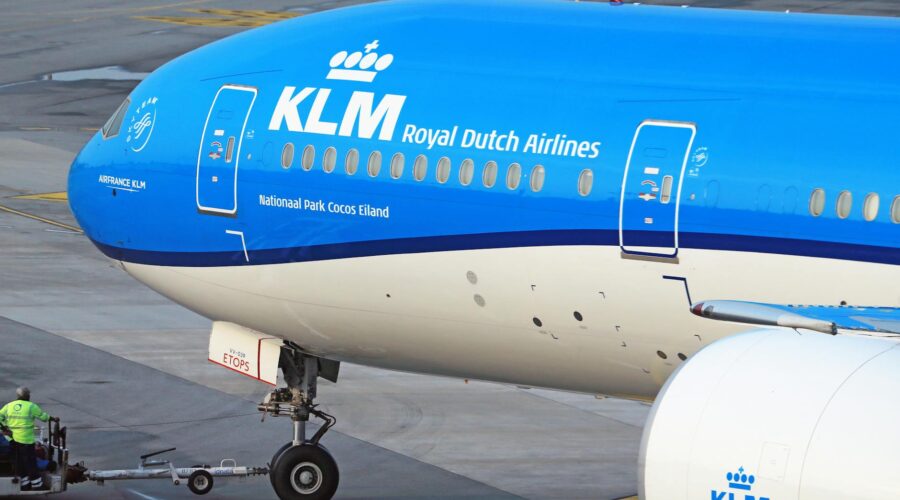
KLM Crew Tests Negative in Cruise Ship Hantavirus Alert
A KLM flight attendant who was hospitalized with symptoms mirroring the deadly hantavirus has tested negative, according to an announcement from the World Health Organization (WHO) on Friday.
The Connection to the MV Hondius Outbreak
The crew member had been in close contact with a 69-year-old Dutch passenger who later died from the virus. The passenger was at the center of a developing health crisis linked to the cruise ship MV Hondius. She was married to the first victim of an outbreak that has now claimed three lives.
KLM officials confirmed that the woman attempted to board a flight from Johannesburg to the Netherlands on April 25. However, crew members noted her deteriorating health and blocked her from traveling before the plane took off. She was rushed to a local hospital in Johannesburg, where she succumbed to the virus the following day.
Global Health Measures and Contact Tracing
Despite the flight attendant’s negative test result, Dutch health authorities are not taking any chances. They are currently contacting passengers from the Johannesburg flight as a precautionary measure. Travelers across the United Kingdom, Germany, the Netherlands, Switzerland, and South Africa who fear exposure are being monitored, treated, or advised to self-isolate.
The situation continues to evolve in the Atlantic. British authorities confirmed a new suspected hantavirus case on Tristan da Cunha, a remote island where the MV Hondius had docked. Two other British citizens who were on the cruise are currently in home isolation in the UK.
Cruise Ship Nears Tenerife
The MV Hondius originally departed from Ushuaia, Argentina, on April 1. After stops in Cape Verde, it is currently en route to Tenerife in the Canary Islands, where it is expected to dock this Sunday. British officials are mobilizing teams to meet the ship upon arrival to coordinate the safe return and medical assessment of UK nationals on board.
What is Hantavirus?
Hantaviruses are a group of viruses primarily carried by rodents. While many strains exist globally across Europe, Asia, and the Americas, certain species can cause severe, life-threatening respiratory or hemorrhagic illnesses in humans. Transmission typically occurs through contact with infected animal waste or saliva, rather than person-to-person spread, though health officials remain on high alert during the current outbreak.
Image: Pexels – Jeffry Surianto