Cape Verde Diaspora Voter Numbers Surge 36% for 2025 Election
Voter registration among the Cape Verdean diaspora has surged by a staggering 36.5% since 2021, vastly outpacing a stagnant 1% growth rate within the island nation itself, according to data released today by the National Elections Commission (CNE).
The surge comes as Cape Verde prepares for legislative elections on May 17. The CNE reported a provisional total of 416,335 registered voters, with more than one-sixth of the electorate—72,051 people—now residing abroad. Of the 22 countries where the diaspora is registered, Portugal leads with 26,419 voters, followed by the United States (13,872) and France (11,017).
Modernizing the Ballot Box Abroad
CNE President Maria do Rosário Gonçalves attributed the explosive growth abroad to a modernized registration system. A new pilot project integrates voter registration with consular services; citizens can now register to vote the moment they apply for or renew their passports.
In contrast, domestic registration remains tied to traditional methods where voters must physically travel to specific registration commissions. This has resulted in a participation plateau at home: throughout the archipelago, almost every district saw a decrease in registered voters, with the capital city of Praia being the sole exception.
A High-Stakes Election
The upcoming vote will determine the 72 deputies of the National Assembly. While the nine islands elect 66 representatives, the diaspora holds the power to choose six deputies, making their increased numbers a potentially decisive factor in the results.
The political landscape remains a heated contest between two dominant forces. The ruling Movement for Democracy (MpD), led by Prime Minister Ulisses Correia e Silva—who is seeking a third term—and the opposition African Party for the Independence of Cape Verde (PAICV), led by Praia Mayor Francisco Carvalho, are the only parties fielding candidates in all 13 electoral districts.
Three other parties are also in the running:
- UCID: The third-largest party, competing in 10 districts.
- People’s Party & Labor and Solidarity Party: Both competing in six districts each.
Diversity and the “Parity Law”
The CNE confirmed that all 48 submitted lists comply with the nation’s parity law, which mandates that neither gender represent less than 40% of a ticket. Women now make up 47.1% of the 556 candidates. The candidate pool also shows a youthful lean, with 40% of contenders under the age of 40.
As the official campaign season kicks off this Thursday, April 30, the CNE is already managing complaints regarding the “neutrality of public administration.” With the MpD and PAICV having alternated power since 1991, all eyes are on whether the surging diaspora vote or the third-party UCID might disrupt the long-standing two-party status quo.
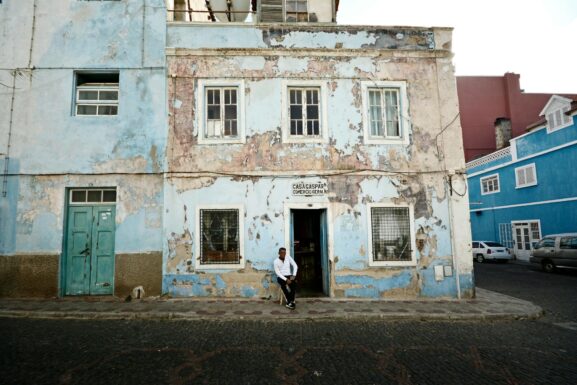
Image: Pexels – Mikhail Nilov