EU’s António Costa Under Fire for Guinea-Bissau Meeting
Guinean civil society groups have launched a blistering critique against European Council President António Costa, accusing him of undermining democratic values by meeting with Guinea-Bissau’s ousted leader, Umaro Sissoco Embaló.
In a joint statement released Tuesday, the Concertation Space of Civil Society Organizations (EdC), the People’s Front, and Firkidja di Pubis argued that the meeting in Brussels compromises the “moral authority” of the European Council. The groups claim that by hosting Embaló, Costa has aligned himself with a legacy of “repression, violence, and the subversion of democratic order.”
A Controversial Meeting in Brussels
The controversy stems from a March 26 meeting in the Belgian capital between Costa, Embaló, and former Senegalese President Macky Sall. Critics noted that the sit-down was notably absent from Costa’s initial official agenda, leading to accusations of a lack of transparency.
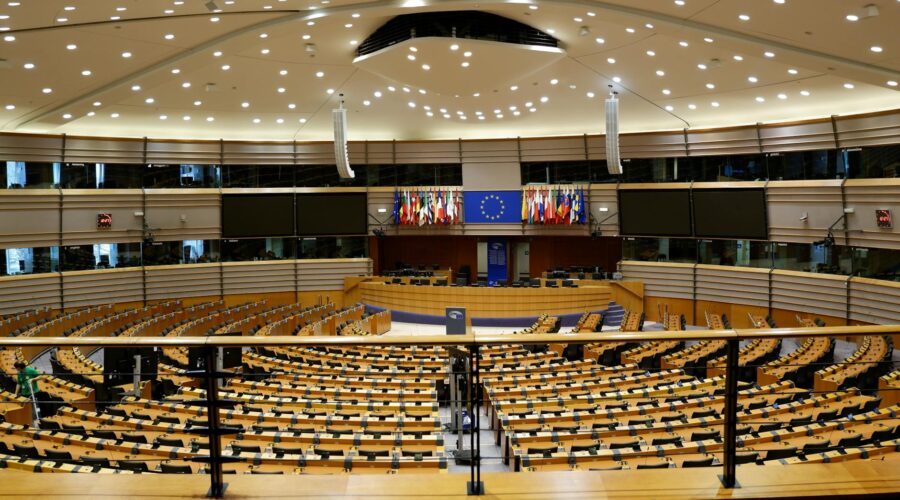
“This attitude is not neutral; it is a political choice with clear implications,” the organizations stated. They pointed to a December 2025 European Parliament resolution that condemned the breakdown of democracy and human rights violations in Guinea-Bissau, arguing that Costa’s recent actions “directly contradict” that stance.
Allegations of Complicity and Dictatorship
The advocacy groups did not hold back in their assessment of Embaló’s reign, labeling him a “dictator” whose regime utilized intimidation, resulting in over 500 victims and a series of contract killings. They warned that Costa’s apparent “complicity” could damage the European Union’s credibility and erode the trust of African nations in European institutions.
The geopolitical landscape in Guinea-Bissau remains volatile following a military coup on November 26, 2025. A self-proclaimed Military High Command seized power just before the results of the national elections were finalized, forcing Embaló to flee the country.
A Nation in Transition
The aftermath of the coup saw the detention of several high-profile figures, including PAIGC leader Domingos Simões Pereira and various election officials. Meanwhile, Fernando Dias—the candidate who claimed victory in the presidential race—was forced into hiding at the Nigerian Embassy for two months.
The military has since installed General Hora Inta-a as transitional President, who subsequently established a National Transitional Council to replace the country’s parliament. As the country navigates this precarious transition, civil society leaders insist that international figures like António Costa must stand firmly with the rule of law rather than with deposed autocrats.
Image: Pexels – Jonas Horsch