Wladimir Brito, Cape Verde Constitution Author, Dies at 75
Wladimir Brito, a towering figure in Lusophone law and a primary architect of Cape Verde’s democratic foundation, died today in Portugal after a long illness. He was 75.
The Cape Verdean Embassy in Portugal announced the passing of the esteemed professor, describing him as an “indispensable reference” whose influence spanned the Portuguese-speaking world. Brito is best remembered as one of the principal mentors and authors of Cape Verde’s 1992 Constitution, the document that solidified the nation’s transition to a multi-party democracy.
A ‘Patriot and Democrat’
In a tribute posted to Facebook, Cape Verdean President José Maria Neves hailed Brito as an “untiring fighter for freedom, democracy, and the rule of law.” Neves characterized the late constitutionalist as a “patriot, democrat, and institutionalist” who not only fought for independence but also guided the nation through its complex transition from a single-party system to a modern democracy.
“The best tribute to his memory is respect for the Constitution and daily work toward the development of our country,” Neves stated.
A Life Defined by Resistance and Law
Brito’s life was inextricably linked to the political evolution of both Portugal and its former colonies. As a young man, he participated in the resistance against the Portuguese dictatorship. While serving in the military, he took part in the April 1974 Carnation Revolution, which paved the way for the decolonization of African territories. He subsequently became a vocal challenger of single-party regimes in both Guinea-Bissau and Cape Verde.
His academic credentials reflected his legal mastery. After earning his undergraduate, master’s, and doctoral degrees from the University of Coimbra, he became a pillar of the University of Minho. As a retired full professor at the school’s Law Faculty, he was regarded as a leading global voice on international public law, citizenship, and human rights.
An International Legacy
Beyond the classroom and the halls of government, Brito’s influence was felt internationally. He was a co-founder and director of the Lusophone Observatory of Human Rights and served on the United Nations list of conciliators. His lifelong dedication earned him the Status of Freedom Fighter of the Homeland and the Medal of Merit, First Class, from the Republic of Cape Verde.
Tributes have also poured in from Portuguese officials, including Ricardo Araújo, the Mayor of Guimarães, who called Brito a “major figure in legal and civic thought.” The University of Minho credited him with shaping generations of legal minds and serving as a vital bridge between the legal systems of the Lusophone world.
Brito’s work remains the bedrock of Cape Verdean governance, leaving behind a legacy that the embassy noted “will continue to inspire present and future generations.”
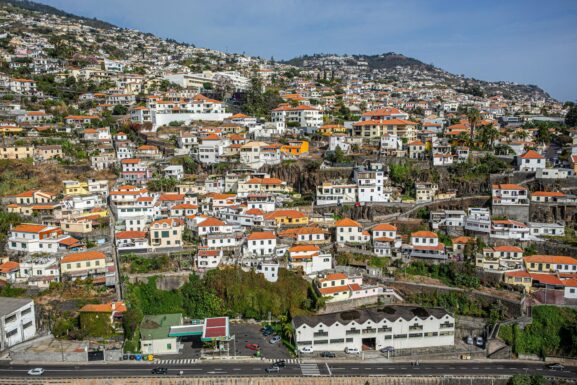
Image: Pexels – Brent Carr