Education in Cape Verde: Public, Private & International Schools
In the heart of the central Atlantic Ocean, the archipelago of Cape Verde (Cabo Verde) has long been recognized as a model for social and political stability in Africa. Central to this reputation is the country’s unwavering commitment to education. Since gaining independence in 1975, the nation has transformed from a territory with high illiteracy rates to one boasting some of the highest primary school enrollment rates on the continent. Today, the landscape of education in Cape Verde is a dynamic mix of a robust public system and an expanding private sector, each playing a vital role in shaping the “human capital” that the resource-scarce nation relies upon for its future.
The Foundations of the Cape Verdean Education System
Education in Cape Verde is governed by the Ministry of Education and is structured similarly to the Portuguese system, a legacy of its colonial past. The system is divided into three main tiers: Preschool, Basic Education (Primary), and Secondary Education, leading up to Higher Education (University).
One of the most significant achievements of the Cape Verdean government is the provision of free and compulsory basic education. For children between the ages of 6 and 14, schooling is mandatory. This policy has led to an impressive primary school enrollment rate of over 95%. The government covers tuition, and in many cases, provides social support such as school meals and kits for students from low-income families through the FICASE (Cape Verdean Foundation for School Social Action).
Public Education: The Backbone of the Archipelago
The public school system remains the primary provider of education across all ten islands. From the bustling streets of Praia on Santiago to the remote villages of Santo Antão, public schools are the most visible symbols of the state’s presence.
Strengths of Public Schools
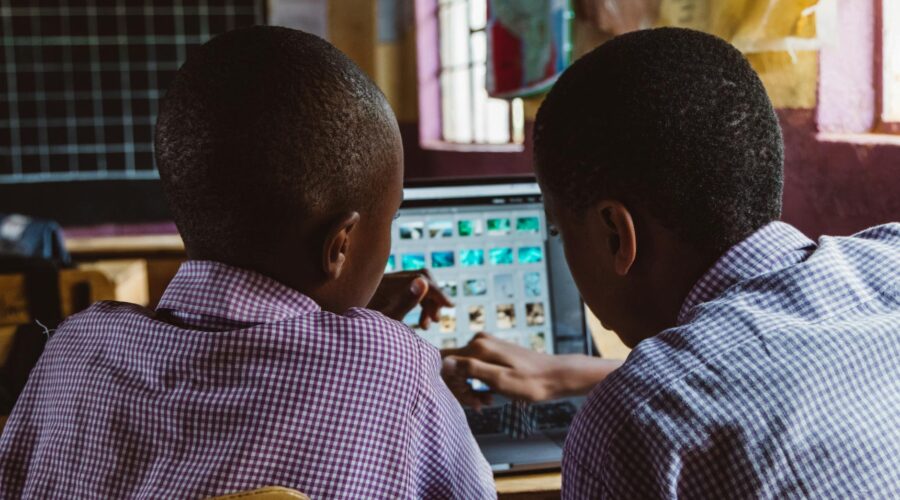
Public education offers a standardized curriculum that ensures every child, regardless of their location, has access to the same fundamental knowledge. In recent years, the government has focused heavily on “Digital Education,” integrating Information and Communication Technologies (ICT) into classrooms. Projects like the “WebLab” have introduced coding and robotics to secondary students in public schools, aiming to bridge the digital divide.
Challenges Facing the Public Sector
Despite progress, the public system faces hurdles. Many schools suffer from overcrowding, particularly in urban centers like Praia and Mindelo. Physical infrastructure in rural areas can be aging, and the “double shift” system—where one group of students attends in the morning and another in the afternoon—is still common to accommodate the high number of pupils. Furthermore, while tuition is free, the cost of uniforms, transport, and higher-level textbooks can still be a burden for the poorest families.
The Rise of Private Education in Cape Verde
As the Cape Verdean middle class has grown, so has the demand for private education. Private institutions are now a common sight in the major cities, offering alternatives for parents who seek smaller class sizes, specialized curricula, or specific religious values.
Private Primary and Secondary Schools
Private schools in Cape Verde are often perceived as providing a higher quality of infrastructure and more individualized attention. Many of these institutions follow the national curriculum but supplement it with intensive language training (particularly English and French) and extracurricular activities like music, ballet, and advanced sports programs. Some of the most prestigious private schools are located in the capital, Praia, and cater to the children of professionals, diplomats, and the expatriate community.
International Schools
For international families and the Cape Verdean elite, international schools offer curricula that align with global standards. Schools like the Portuguese School of Cape Verde (Escola Portuguesa de Cabo Verde) provide a direct link to the European educational system, making it easier for students to transition to universities in Portugal and the wider EU. These schools are significantly more expensive than local private schools but offer facilities and resources that are often unmatched in the public sector.
Higher Education: A Maturing Landscape
Until the early 2000s, Cape Verdeans seeking university degrees almost exclusively traveled abroad, primarily to Portugal, Brazil, or Cuba. This changed with the establishment of the University of Cape Verde (Uni-CV) in 2006, the country’s flagship public university.
Today, the higher education sector is a mix of public and private entities:
- University of Cape Verde (Uni-CV): As a public institution, it offers a wide range of degrees from engineering to social sciences. It recently inaugurated a massive, modern campus in Praia, funded by Chinese cooperation, which has revolutionized its capacity.
- Private Universities: Institutions like Jean Piaget University of Cape Verde and the University of Mindelo have played a crucial role in diversifying academic offerings. They often provide flexible schedules for working adults and specialized courses in areas like pharmacy, law, and maritime studies.
Cultural Context: Language and “Morabeza” in Schools
An ongoing debate in Cape Verdean education involves the “Language Question.” While Portuguese is the official language of instruction and the language of exams, Cape Verdean Creole (Kriolu) is the mother tongue of nearly the entire population. In recent years, there has been a push for “Bilingual Education” pilots, where Creole is used alongside Portuguese in the early years of schooling to improve literacy and ensure children don’t feel alienated by an “academic” language they don’t speak at home.
Furthermore, the spirit of Morabeza (the famous Cape Verdean hospitality) extends into the classroom. Teachers are often highly respected community figures, and schools serve as community hubs where social issues are addressed and cultural heritage—such as traditional music and dance—is kept alive.
Practical Information for Expats and Investors
If you are moving to Cape Verde with children, here are a few things to consider:
- Registration: For public schools, registration usually happens in July and August. You will need the child’s birth certificate (translated if not in Portuguese), immunization records, and proof of residence.
- Costs: Public education is free through secondary school (with minor administrative fees). Private school tuition can range from 5,000 to 25,000 CVE (approx. $50 to $250 USD) per month, depending on the level and prestige of the school.
- Calendar: The school year typically runs from mid-September to late June, divided into three terms (trimestres).
The Future: Vocational Training and Blue Economy
The Cape Verdean government is currently pivoting toward Vocational and Professional Training (Ensino Técnico). Recognizing that not every student needs a traditional university degree, there is a focus on training youth for the “Blue Economy” (maritime services, fisheries) and the tourism sector. Technical schools in Mindelo and Sal are becoming vital for supplying the labor market with skilled technicians, chefs, and hotel managers.
Conclusion
Education is the “Great Engine” of Cape Verde. Whether through the expansive reach of public schools or the specialized offerings of the private sector, the country is successfully investing in its most precious resource. While challenges in infrastructure and language remains, the trajectory is clear: Cape Verde is building a literate, skilled, and multilingual generation ready to compete on the global stage. For parents, students, and observers, the Cape Verdean education system offers a story of resilience and rapid modernization in the face of Atlantic isolation.
Image: Pexels – ROMAN ODINTSOV