West Africa Coups: Groups Accused of Normalizing Instability
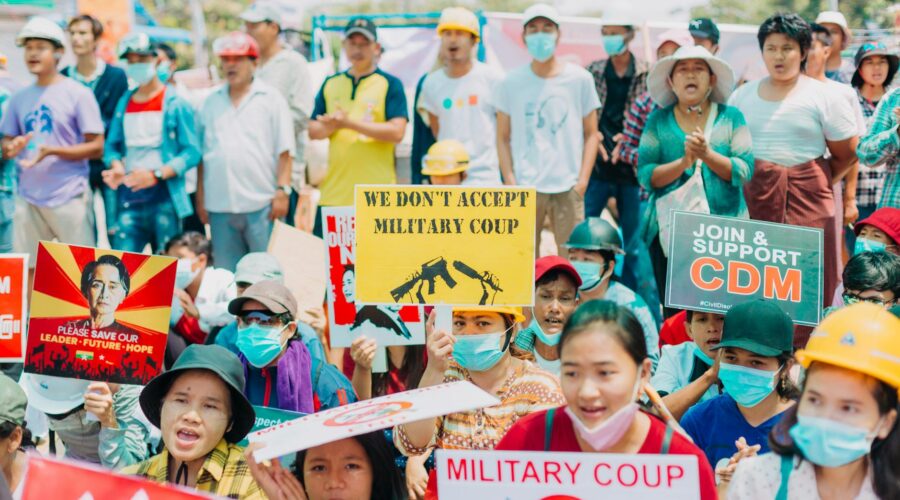
The president of the Guinean Human Rights League warned today that the ineffective response of regional African organizations is “normalizing” military coups and eroding the rule of law across West Africa. Bubacar Turé issued the stark warning during the opening of an international conference in Bissau aimed at addressing the region’s deepening political instability.
Speaking at the “Dialogue for a Future with Justice, Human Rights, and Democracy in West Africa” conference, Turé argued that regional bodies have failed to provide a robust defense against constitutional breakdowns. This lack of intervention, he claimed, has paved the way for the rise of authoritarian regimes and the systematic dismantling of democratic institutions.
A Region in Crisis
West Africa has been shaken by a wave of coups d’état in recent years, a trend Turé linked to a broader collapse of civil liberties. He noted that the region is currently grappling with a “reduction of civic space” and the “implosion of democratic rights,” compounded by the growth of radical terrorist groups and organized crime.
“The response of sub-regional and regional institutions to these crises has revealed limitations that contribute to the normalization of constitutional breakthroughs,” Turé emphasized. He warned that the instrumentalization of justice for political gains has further undermined trust in public institutions and left citizens’ rights unprotected.
Human Rights are Not an ‘External Agenda’
The Portuguese Ambassador to Guinea-Bissau, Miguel Silvestre, also addressed the conference, pushing back against the narrative that democratic values are Western impositions. He insisted that the rule of law, judicial independence, and press freedom are “guarantees that the peoples of West Africa themselves inscribed in their Constitutions.”
“Presenting human rights as a foreign imposition would, in itself, be a way of weakening them,” Silvestre stated. Drawing on Portugal’s history of living under a 50-year dictatorship, he warned that the “normalization of the exceptional” is the greatest threat to any democracy.
Building Resilience
The conference, organized by the Guinean Human Rights League in partnership with the Association for Cooperation Between Peoples (ACEP), serves as a platform for civil society organizations from across the region. Discussions focus on governance, press freedom, and the fight against corruption and impunity.
Turé told reporters that the ultimate goal of the meeting is to create “resilience networks” capable of defending peace and democracy. He warned that the current political instability is directly contributing to extreme poverty and a widespread socio-economic crisis affecting countries like Guinea-Bissau and Cape Verde.
The event is funded by Portuguese cooperation under the “Human Rights at Risk in Guinea-Bissau” project. Due to the Bissau government’s ongoing suspension of Lusa agency operations within the country, coverage of the event is being provided remotely.
Image: Pexels – Andrew PaKip