Iran Conflict: Africa’s Growing Food and Economic Crisis
A burgeoning conflict between Iran and a coalition led by the United States and Israel is sending shockwaves across Africa, threatening the continent’s food security and economic stability. According to Miguel Silva, a specialist in African affairs at the Institute of Contemporary History at Universidade Nova de Lisboa, the crisis extends far beyond rising gas prices at the pump.
Following the military strikes launched against Iran on February 28, and Tehran’s subsequent closure of the strategic Strait of Hormuz, the International Energy Agency (IEA) has labeled the situation the “greatest global energy disturbance since the 1970s.” However, Silva warns that for African nations, the real danger lies in the high cost of fertilizers and the disruption of essential supply chains.
The Toll of “Imported” Inflation
Most African economies remain heavily dependent on imported fuels, medicines, and agricultural inputs. Silva explains that when the cost of oil rises, it triggers a domino effect: transportation costs soar, causing the price of food and medicine to spike. This “imported inflation” hits vulnerable populations hard, often in countries that lack the fiscal safety nets common in Europe.
“The shock quickly turns into an increase in the cost of living and greater social vulnerability,” Silva told Lusa. He noted that the crisis is exacerbated by a historic decline in foreign aid, including the closure of the United States Agency for International Development (USAID), which has left many states without a buffer.
Nations at the Breaking Point
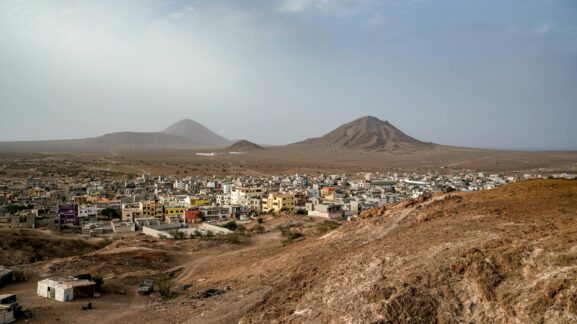
The researcher identified several nations at extreme risk due to a combination of weak currencies and heavy import reliance. Among Portuguese-speaking African Countries (PALOP), Cape Verde, São Tomé and Príncipe, and Mozambique are particularly exposed. In Mozambique’s case, a significant external deficit makes the weight of expensive imports even more crushing.
Beyond the Lusophone world, countries like Kenya, Uganda, Malawi, and several nations across the Sahel are facing potential economic stagnation and runaway inflation. Silva pointed out that this structural dependence is a lingering legacy of a colonial-era economic model that prioritizes the export of raw materials and the import of finished goods.
A Double-Edged Sword for Oil Producers
While the crisis spells disaster for importers, African energy giants like Nigeria, Algeria, and Angola may see a short-term financial windfall. With Europe scrambling to find alternatives to Gulf state resources, Nigeria’s Liquefied Natural Gas and Algeria’s gas reserves are in high demand.
However, Silva warns that even these “beneficiaries” are not immune to the conflict’s fallout. Higher global interest rates are likely to increase the net value of national debts, and domestic inflation could still wipe out the gains from increased energy exports.
As the Middle East remains a powderkeg following Tehran’s retaliatory strikes against U.S. bases and regional infrastructure, the ripple effects in Africa serve as a stark reminder of how interconnected global food and energy systems have become.
Image: Pexels – kevin yung