Cape Verde Sports Infrastructure: A Guide to the Blue Ambition
In the middle of the Atlantic Ocean, the ten volcanic islands of Cape Verde are undergoing a silent transformation. Long known for their “Morabeza” (hospitality) and world-class musicians, the islands are now carving out a new identity as a regional hub for sports. From the wind-swept beaches of Sal to the modern multi-purpose arenas of Praia, the development of sports infrastructure in Cape Verde is a story of national pride, strategic investment, and geographical advantage.
The Evolution of National Grandeur: Estádio Nacional de Cabo Verde
For decades, Cape Verdean football was played on dusty fields or aging municipal grounds. The landscape changed dramatically in 2014 with the inauguration of the Estádio Nacional de Cabo Verde (Cape Verde National Stadium) in Monte Vaca, on the island of Santiago. Built with Chinese cooperation, this 15,000-seat stadium represents the crown jewel of the nation’s sporting facilities.
The stadium is more than just a football pitch; it is a Category 4 stadium according to FIFA standards, featuring synthetic turf designed to withstand the archipelago’s arid climate. It serves as the home ground for the “Blue Sharks” (Tubarões Azuis), the national football team whose meteoric rise in the FIFA rankings has mirrored the improvement in local facilities. The inclusion of an Olympic-standard athletics track has also provided a much-needed training ground for the nation’s budding track and field stars.
The Indoor Revolution: Multi-Purpose Pavilions
While football is the national obsession, basketball and handball follow closely behind. To accommodate these sports, the Cape Verdean government and local municipalities have invested heavily in covered pavilions (Pavilhões Desportivos). These facilities are crucial given the intense tropical sun and occasional high winds that make outdoor play difficult.
The Vavá Duarte Sports Pavilion
Located in the capital city of Praia, the Vavá Duarte Pavilion is the heart of Cape Verdean indoor sports. It serves as the primary venue for national basketball and handball leagues. The atmosphere during a local derby or an international qualifying match is electric, showcasing how urban infrastructure can foster community spirit. Recent renovations have focused on improving flooring standards and seating capacity to meet international broadcasting requirements.
Sal and Boa Vista: The Natural Stadiums of the Atlantic
While the mountainous islands focus on concrete and turf, the flat, sandy islands of Sal and Boa Vista have leveraged their natural geography to become global epicenters for water sports and beach athletics. Here, the “infrastructure” is a mix of natural assets and specialized private-public partnerships.
The National Center for Water Sports on Sal Island is a testament to this. With Cape Verde being a consistent stop on the GKA Kite World Tour, the infrastructure here includes specialized launching zones, safety observation towers, and high-performance training centers. These islands hosted the first-ever African Beach Games in 2019 (Santa Maria, Sal), which required a massive temporary infrastructure overhaul, including portable arenas for beach soccer, volleyball, and coastal rowing.
Decentralization: Bringing Sports to Every Island
One of the primary challenges Cape Verde faces is its insular nature. Providing quality facilities across nine inhabited islands is a logistical hurdle. However, the “One Island, One Stadium” initiative has seen significant progress. Small islands like Brava and Maio, which were previously overlooked, now boast refurbished municipal stadiums with artificial turf.
The Role of Synthetic Turf
Water scarcity is a chronic issue in Cape Verde. As a result, the transition from natural grass to high-quality synthetic turf has been a strategic necessity. Nearly all major municipal stadiums, from the Orlando Rodrigues Stadium in Santo Antão to the Francisco José Rodrigues Stadium in Fogo, now utilize artificial surfaces. This ensures that the pitches remain playable year-round without draining the islands’ precious freshwater reserves.
High-Altitude Training in Santo Antão and Fogo
International scouts and sports scientists are increasingly looking at Cape Verde’s volcanic highlands for endurance training. The rugged terrain of Santo Antão and the high altitudes surrounding the Fogo volcano offer unique “natural infrastructure” for trail running and mountain biking. While formal training centers in these areas are still in the development phase, the government has begun identifying routes and building support facilities to attract international athletes for high-altitude conditioning.
Challenges and the Road Ahead
Despite the progress, several challenges remain for Cape Verdean sports infrastructure:
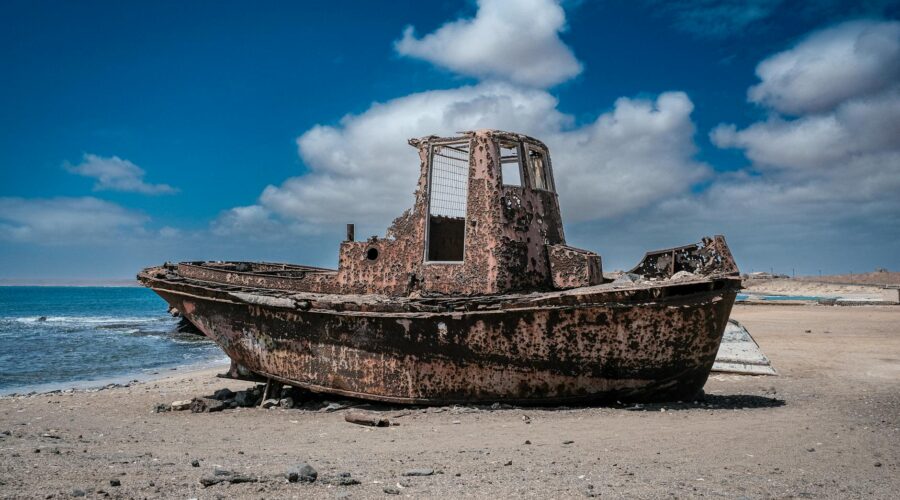
- Maintenance: The harsh salt air of the Atlantic causes rapid corrosion of metal structures. Maintaining stadiums and pavilions requires a constant budget that is often stretched thin.
- Inter-island Logistics: Frequent travel between islands for competitions is expensive. The lack of standardized training facilities on every island means many athletes must move to Praia or Mindelo to pursue professional careers.
- Private Investment: While government spending has been steady, there is a growing need for private sector involvement, particularly in the management of gyms and specialized training academies.
Future Prospects: The “Sports Hub” Vision
The Cape Verdean government’s “Strategic Plan for Sustainable Development” views sports as a pillar of the blue economy. Plans are underway to develop a High-Performance Center in Mindelo, Sao Vicente, which has a long history of producing top-tier athletes. This center aims to serve not just local athletes, but also international teams looking for a winter training base with temperate weather and modern amenities.
Furthermore, the digital integration of sports facilities—such as smart lighting and performance-tracking technology—is beginning to find its way into the newer builds in Praia. This modernization is essential for Cape Verde to achieve its goal of hosting larger continental championships.
Conclusion
Sports infrastructure in Cape Verde has come a long way from the days of improvised street games. Through a combination of international cooperation, climate-conscious engineering, and a focus on natural advantages, the archipelago is building a foundation for the next generation of athletes. Whether it is the roar of the crowd in the National Stadium or the silent glide of a kite-surfer in Sal, the islands are proving that size is no barrier to sporting ambition.
For the international visitor or investor, Cape Verde offers a unique landscape where modern facilities meet the raw, athletic energy of the Atlantic. As the nation continues to modernize its pavilions and stadiums, its reputation as a “Sporting Gateway” between Africa, Europe, and the Americas only continues to grow.
Image: Pexels – Rob Mowe