UNESCO: Gastronomy is Key to Global Cultural Dialogue
Gastronomy is much more than what is on the plate; it is a powerful tool for global diplomacy and a catalyst for a sustainable future, according to Denise Bax, Secretary of the UNESCO Creative Cities Network.
Speaking to Lusa during the International Gastronomy Forum in Macau, Bax emphasized that food serves as a vital bridge between nations. “Gastronomy is much more than the act of eating, because it also refers to our culinary traditions, our families, and our cultural identity,” she said. In an era of heightened geopolitical tensions, she argued that the culinary arts provide a unique platform to “celebrate creativity and, above all, to learn from each other.”
A Recipe for Sustainable Development
The forum is a cornerstone of the International Cities of Gastronomy Festival, a week-long celebration running through March 29. The event has drawn representatives from nearly 40 UNESCO Creative Cities of Gastronomy, including Portugal’s Santa Maria da Feira and Matosinhos, and Brazil’s Belém, Belo Horizonte, Florianópolis, and Paraty.
Bax highlighted that the UNESCO Creative Cities Network, established in 2004, is designed to fuel sustainable urban development. By promoting local gastronomy, cities do more than just showcase chefs; they support the entire ecosystem of farmers, producers, and creative industries. Addressing modern challenges like food waste along the supply chain is a central goal of the network.
Macau: A Global Culinary Hub
The choice of venue is significant. Macau was designated a UNESCO Creative City of Gastronomy in 2017, joining the ranks of Chengdu and Shunde as the third Chinese city to earn the distinction. The city’s unique blend of Chinese and Portuguese influences serves as a real-world example of the “cultural dialogue” Bax champions.
The UNESCO official noted that these collaborations allow different global agents to “shape a better future for all of us.” She also teased that a new study will be released soon, detailing exactly how the “Creative City” designation translates into concrete benefits and economic impact for local communities.
A Growing Global Footprint
The UNESCO Creative Cities Network currently spans 408 cities across more than 100 countries. While the festival focuses on food, the network encompasses eight creative fields, including music, literature, and design.
Portuguese-speaking nations maintain a strong presence in the network. Beyond Brazil’s 14 creative cities, the capitals of Cape Verde and Guinea-Bissau are recognized for their musical heritage. In Portugal, the network includes diverse creative hubs such as Óbidos (Literature), Braga (Media Arts), and Covilhã (Design), alongside others recognized for music, crafts, and folk arts.
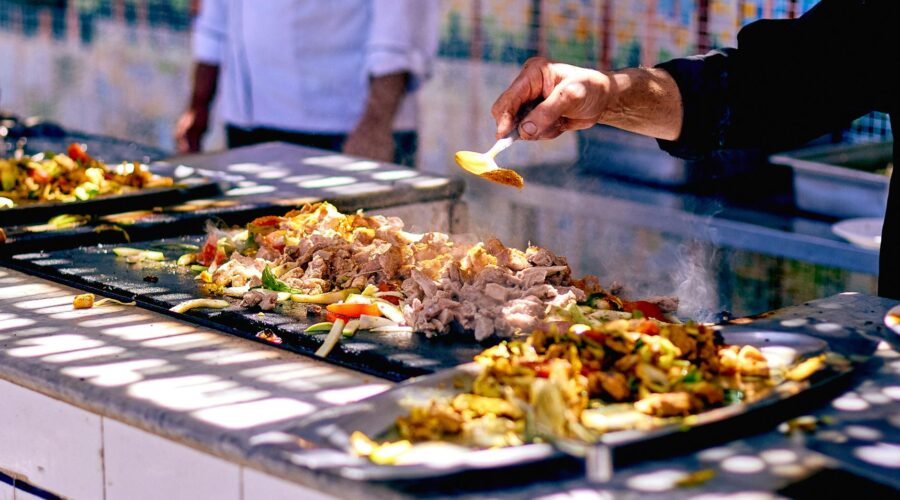
Image: Pexels – Bulat Khamitov