Cape Verde Plastic Credit Project: Trash to Global Treasure
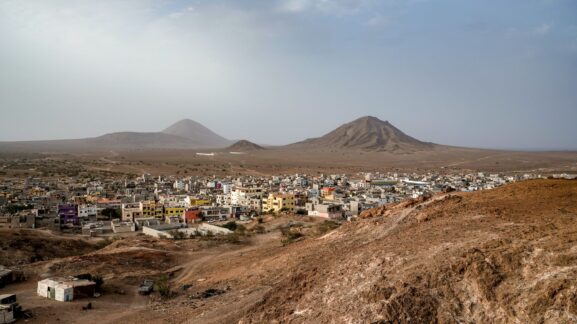
In the quiet village of São Francisco, just outside Cape Verde’s capital, a biologist’s passion project is evolving from a small-scale community effort into a sophisticated player in the international “plastic credits” market. What began as a door-to-door collection of a few hundred kilograms of waste is now a burgeoning circular economy hub, transforming discarded detergent bottles and beach litter into high-quality school furniture and exportable environmental credits.
Ekonatura Cape Verde, the brainchild of biologist Edita Magileviciute, is currently preparing to enter a global marketplace where international corporations pay for the removal and recycling of plastic to offset their own environmental footprints. For every kilogram of waste collected from Cape Verde’s pristine beaches or transformed in the São Francisco workshop, the organization earns credits that can be sold to companies worldwide.
From Keychains to Classrooms
The project’s growth has been exponential. “One of the challenges is monitoring the process to ensure the plastics correspond to credits that can be accepted internationally,” explains Magileviciute. To meet these standards, the workshop has upgraded from making small trinkets like dolphin keychains to producing heavy-duty recycled boards. This year, Ekonatura is on track to process a full tonne of plastic.
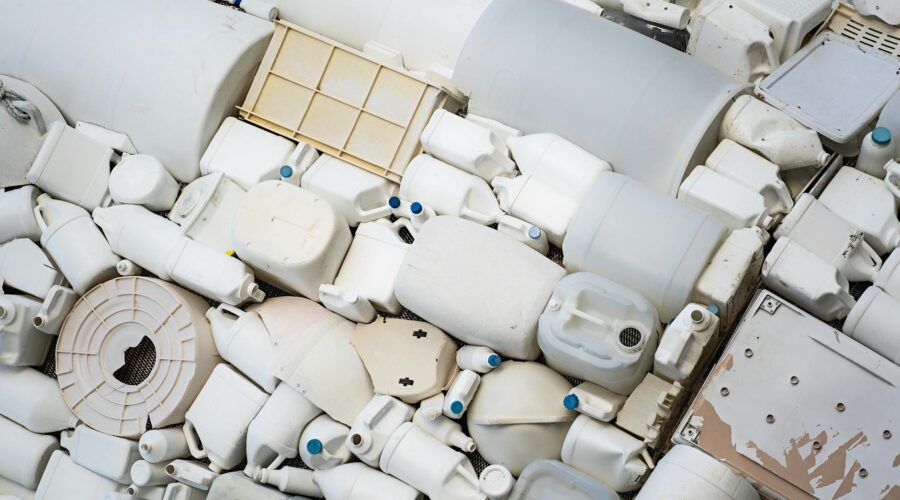
The transformation is a labor-intensive labor of love. Local collaborator Cipriana Lopes manages the “raw material” delivered by residents to the village eco-point. Each piece—from detergent bottles to discarded vessels—is meticulously cleaned by hand. Labels are scraped off with knives before the plastic is color-sorted, manually cut with industrial scissors, and fed into a shredder. The resulting plastic “sand” is then heated under high pressure to create durable, one-square-meter boards, each containing 11.5 kilograms of recycled waste.
The impact is visible in the local community: Ekonatura now supplies the state with school furniture. “It’s education in practice,” Magileviciute says. “What better example for children than sitting on chairs made of 100% recycled plastic and bottle caps?”
Entering the Global Market
The potential for Cape Verde to lead in this emerging sector is currently being mapped by a Portuguese-led study involving the Portuguese Association of Environmental Technology Companies (Apemeta). Set to be presented in December, the study highlights how organizations like Ekonatura can leverage beach cleanups and recycling to secure international funding.
This initiative comes at a critical time for the world’s oceans. With an estimated garbage truck’s worth of plastic dumped into the sea every minute, the World Economic Forum has warned that plastic could outweigh fish by 2050. The World Bank has recently backed “plastic credits” as a vital result-based mechanism to bridge the gap between private financing and grassroots environmental action.
A Circular Future
Beyond the global market, Ekonatura is becoming a staple of Cape Verdean tourism. Its community shop, which sells everything from side tables to recycled plastic Christmas trees, is now a stop on local travel itineraries, completing the circular economy loop as visitors purchase products made from the very waste that threatens the islands’ shores.
While project manager João Ferreira notes that changing the habits of adults remains a challenge, the enthusiasm of the youth and the project’s increasing financial viability offer a roadmap for expansion. As Cipriana Lopes hauls another wheelbarrow of waste to the shredder, her message to the international market is simple: “Just support us; we are ready to continue.”
Image: Pexels – Mike van Schoonderwalt